





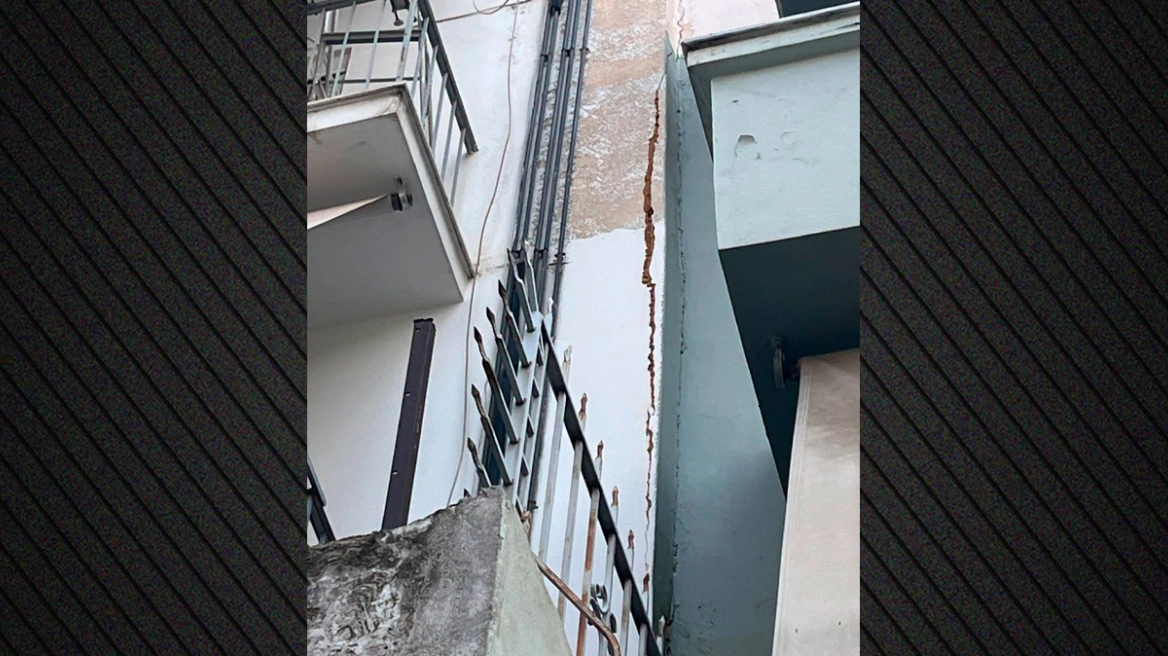
The passage of the tunnel boring machine for Metro Line 4 has triggered a wave of intense concern and fear among residents of Kypseli regarding the safety of their homes.
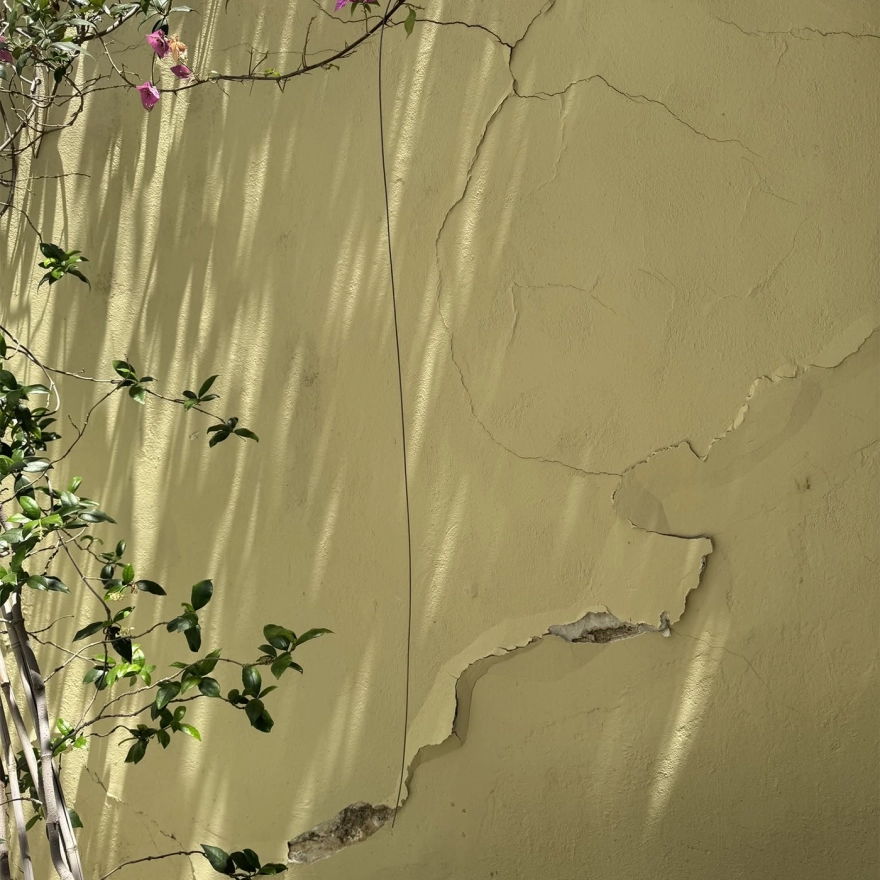
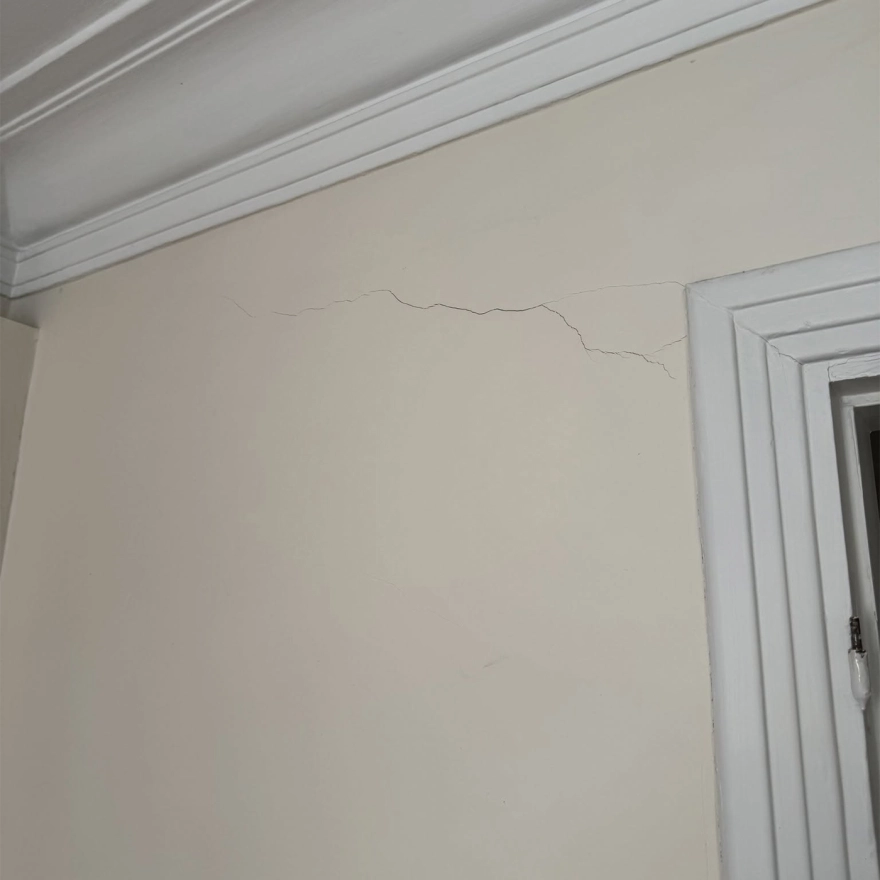
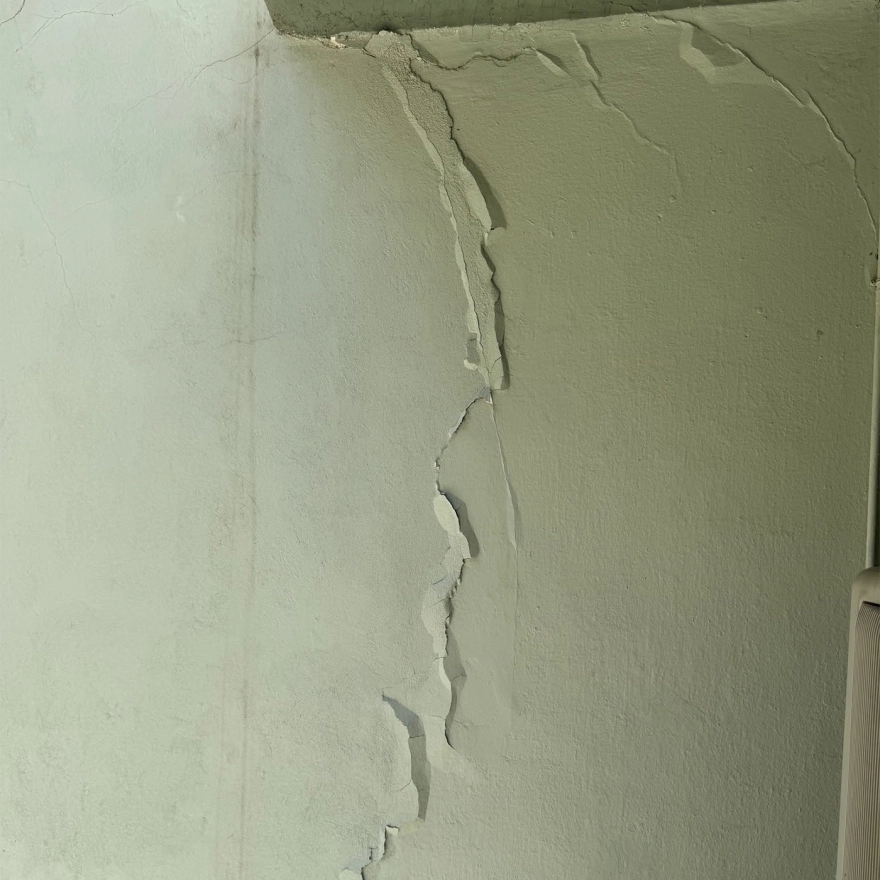
Cracks in walls, doors and windows that no longer open, water in basements, and signs of subsidence make up the picture described by dozens of residents, who are now calling for an independent inspection of the buildings and full disclosure of the project’s monitoring data.
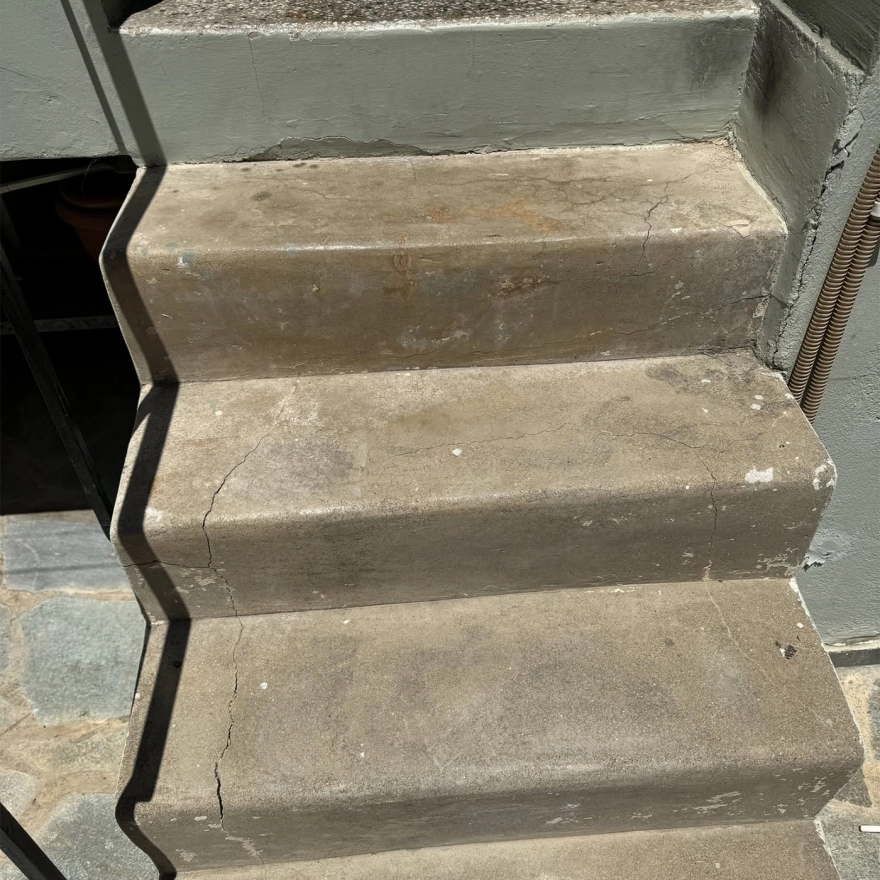
According to the Residents’ Initiative, at least 20 apartment buildings have developed problems in the wider area stretching from Kypseli Square to Evias Street.
The damage, residents claim, began appearing and worsening during the period when the tunnel boring machine was passing underground between Kypseli Square and Evelpidon.
The issue is being brought before the Athens Municipal Council today, while residents are preparing a collective extrajudicial notice and asking the municipality to intervene with Elliniko Metro, the Ministry of Infrastructure and Transport, and the contractor consortium AVAX–Ghella–Alstom.
“The houses were cracking day by day”
The alarm began approximately two months ago.
Almost at the same time, there was also an incident in Kypseli involving the leakage of a material resembling liquid cement onto roads in the area, for which reassuring statements were issued.
Since then, residents’ testimonies describe a phenomenon that did not occur suddenly but developed gradually.
Cracks grew larger in walls, window frames shifted, and doors began to jam. Water appeared in basements, while residents even report cases where the deformation of entrance doors made it difficult for occupants to leave buildings.
Residents also speak of movements between neighboring apartment buildings and problems with the joints separating them.
“It was like an earthquake that continued for days,” they state in the resolution of their open assembly.
The situation led some residents to temporarily leave their homes, while tenants, according to the Residents’ Initiative, permanently abandoned the neighborhood.
Elliniko Metro acknowledges “movements”
The existence of problems in at least one building in the area has also been acknowledged in writing by Elliniko Metro.
In a letter to residents of an apartment building on Kypselis Street, the company refers to “movements” recorded during the first days of March 2026.
It attributes them to the “unfavorable geological conditions” encountered by the project at that specific location.
Following inspections, the same document states that “cracking in infill masonry” was identified, as well as difficulties in the operation of apartment doors and common-area doors.
Elliniko Metro says it strengthened its network of monitoring instruments and maintains that, after excavation work moved away from the specific location, no new movements have been recorded.
It also assures that, based on available data, “no impact on the existing structural adequacy” of the building has been documented.
For residents, however, the question is what exactly this data consists of and why independent engineers cannot examine it.
The measurements they are requesting but are not receiving
Access to monitoring data has become one of the main points of dispute.
Residents say they have repeatedly requested geotechnical and other measurements, as well as records from instruments monitoring ground and building movements.
Their aim is for the data to be examined by their own engineers in order to determine whether the phenomenon has stabilized.
Elliniko Metro refuses to provide the data.
As stated in its letter, the management and evaluation of the data “as a whole” can only be carried out by the project’s specialized team of engineers.
Rather than reassuring residents, this position has increased their suspicion.
They argue that they are not asking to interpret technical data themselves, but simply want independent scientists to be able to evaluate it.
The major question of structural safety
Residents emphasize that none of them claims it has been proven that the apartment buildings are structurally unsafe.
What they argue is that, without complete structural inspections and without access to the measurements, the opposite cannot be ruled out with the same certainty.
The recent collapse of an apartment building in Petralona has further intensified the atmosphere of concern.
Residents claim that inspections by the contractor were limited to visual assessments of the damage and were not accompanied by comprehensive structural evaluations.
Repair work in exchange for waiving claims
Even greater tension has been caused by allegations regarding the way damage repairs are being handled.
According to the residents’ resolution, crews from the contractor consortium appeared at buildings and offered to fill cracks and repair doors and windows that were not functioning properly.
Residents claim they were asked to sign documents stating that they had no further claims against the company.
The Residents’ Initiative argues that covering visible cracks before independent technical inspections could eliminate evidence that may be critical for future assessment of the damage.
Owners are being asked to pay for inspections
Residents say they also contacted the Urban Planning Department, which, according to their complaints, confirmed the cracks but referred them to private engineers to prepare structural studies.
The cost of a complete structural inspection is estimated, according to residents, at around €3,000.
The insecurity has now spread beyond buildings that have already shown visible damage.
Owners of neighboring apartment buildings are independently carrying out preliminary surveys so that the current condition of their properties is documented.
A new headache for Metro Line 4
The developments in Kypseli create another source of pressure for Metro Line 4, which has already fallen significantly behind its original schedule and continues to face serious problems at certain stations, with Evangelismos being the most notable example.
The objections raised by shipowner Pateras regarding the location of the station and the recent rejection of an alternative plan proposed by Elliniko Metro continue to create uncertainty over the project’s final timeline.
Completion of Line 4 has been pushed back to 2032, from the 2029 date originally envisaged when the contract was signed.
It now remains to be seen whether the issue of subsidence and building damage will cause further delays to the progress of construction.
The contractor consortium refers responsibility to Elliniko Metro, while the Ministry of Infrastructure and Transport has been informed of the issue and is monitoring developments.
Independent inspections and compensation on the table
Residents are now requesting a free and comprehensive structural inspection by the Technical Chamber of Greece (TEE) for all buildings that have suffered damage or are located within the excavation impact zone.
At the same time, they are demanding that monitoring data be made public, that all damage be fully restored at the responsibility and expense of Elliniko Metro and the contractor, and that the cost of technical expert assessments be covered.
They are also requesting compensation for proven loss of use of properties or income, as well as the creation of a monitoring committee involving the Ministry of Infrastructure, the Municipality of Athens, the Technical Chamber of Greece, scientific bodies, and residents’ representatives.
Ask me anything
Explore related questions




