





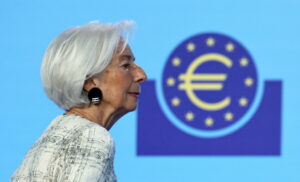
A new interest rate rise from the European Central Bank (ECB) is imminent, with borrowers trying to work out what further cost this could add to their household budgets.
A sharp rise in loan repayments would put pressure on households, particularly those with lower disposable income or a large outstanding mortgage balance
Today, 10 September, is the key date, with two more meetings left before the end of the year, on 29 October and 17 December. German central banker Joachim Nagel, a member of the ECB’s Governing Council, regards the next rise as effectively certain, though he has struck a cautious tone on what may follow.
Inflation in the eurozone remains close to 3%, well above the 2% target, leaving little room for the bank to ease monetary policy.
A fresh 25 basis point rise would feed through, with a time lag depending on the terms of each contract, to Euribor, the interbank rate used as a benchmark for lending across the eurozone, and from there to variable rate mortgages and business loans held by households and companies. The real burden on each household and business depends on the size of the outstanding balance, the term of the loan and, above all, the spread agreed with the bank.
Ask me anything
Explore related questions




