






High prices continue to be one of the biggest sources of financial pressure on Greek households, with almost one in three citizens saying they are struggling to meet their financial obligations, according to the second part of a poll by MARC for ANT1.
It is recalled that, in the first part of the poll, New Democracy (ND) recorded 30.5% in voting intention estimates, up from 30.4% in October, the Greek Solution (ELAS) 15.8% and PASOK 12.5%, with nine parties projected to enter parliament.
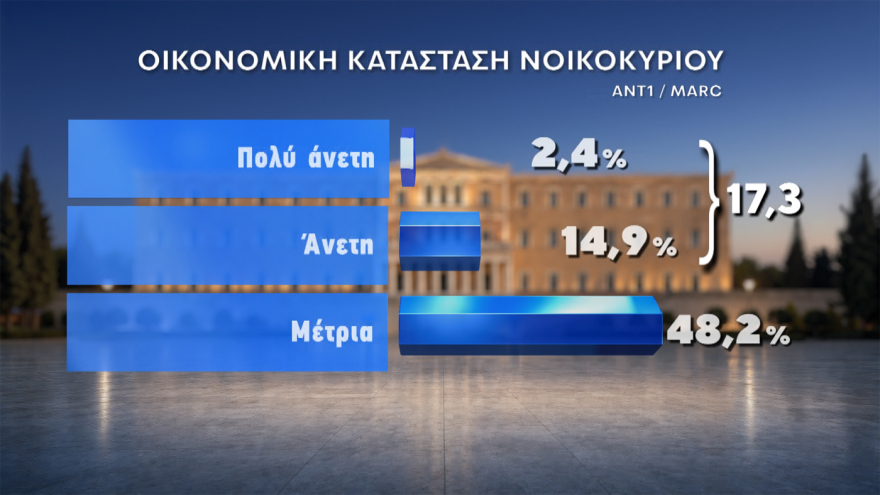
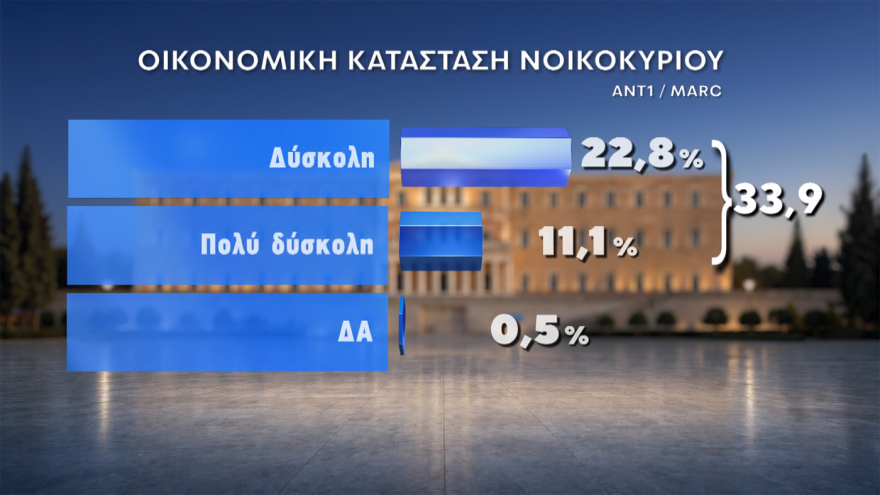
According to the findings of the second part of the poll, presented by MARC chief executive Thomas Gerakis on ANT1’s main evening news bulletin, 48.2% of respondents describe their household’s financial situation as moderate, while 22.8% say it is difficult and 11.1% very difficult.
By contrast, 14.9% say they are in a comfortable financial position and just 2.4% in a very comfortable one, while 0.5% did not answer. Overall, 33.9% of households say they are in a difficult or very difficult financial position, compared with 17.3% who describe their situation as comfortable or very comfortable.
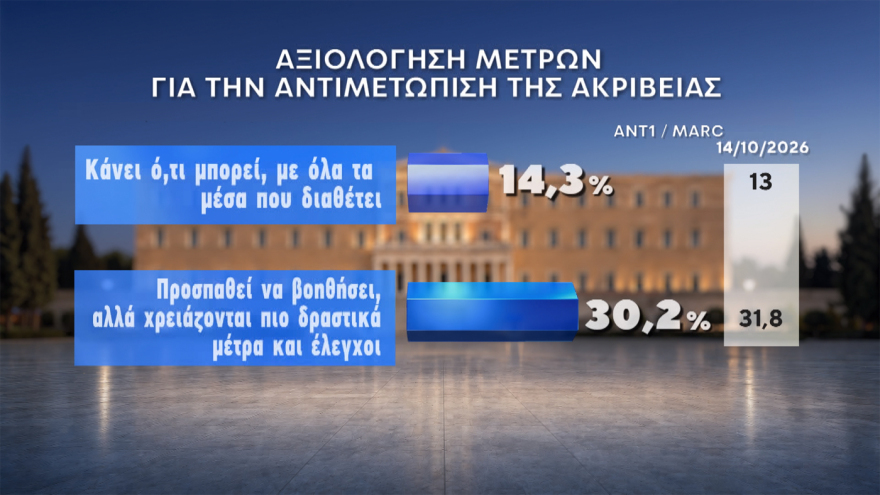
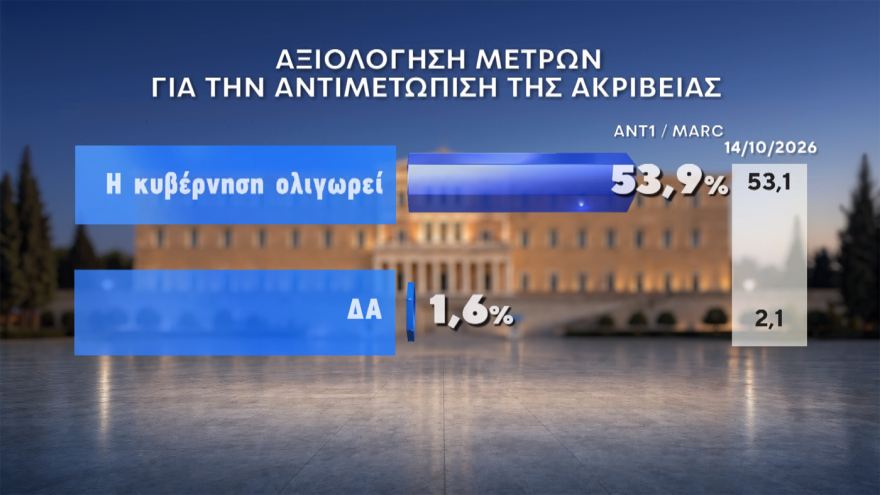
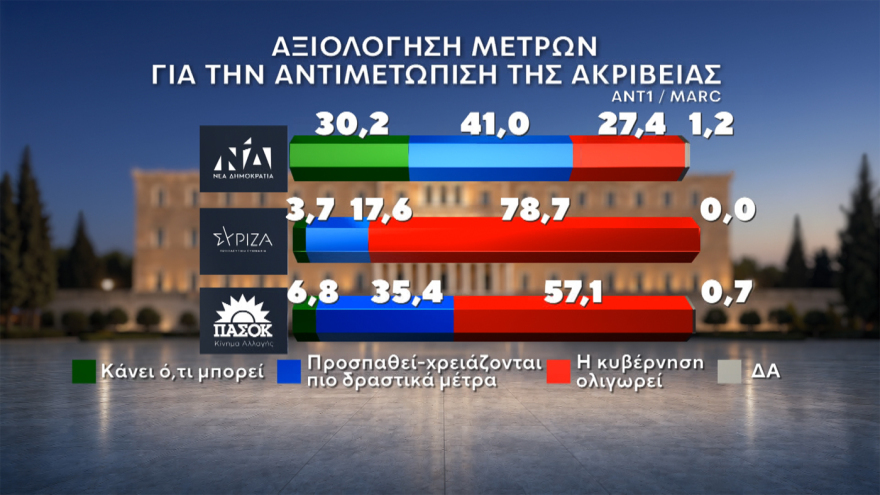
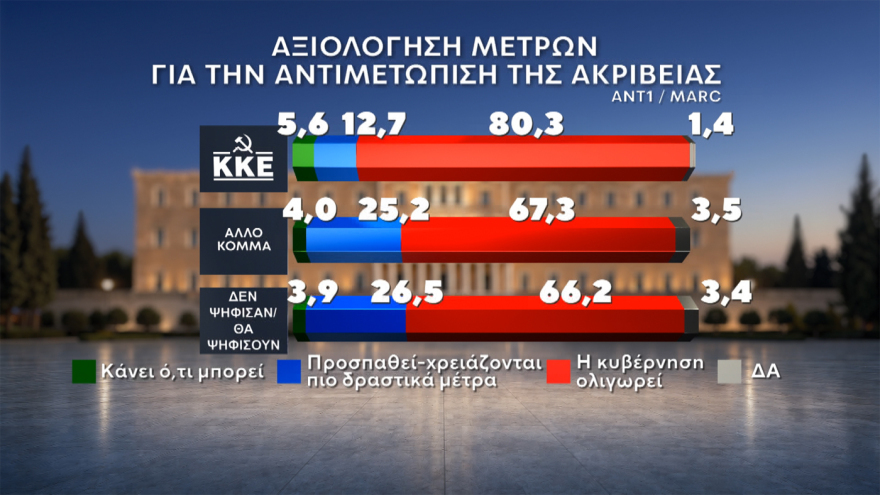
A total of 53.9% of respondents believe the government is dragging its feet in tackling price rises, while a further 30.2% acknowledge that efforts are being made but believe more drastic measures are needed. Just 14.3% believe the government is doing everything it can with the means available to it.
At the same time, the proportion of those who believe the government is doing everything it can rose from 13% to 14.3%, while the share of those calling for more decisive intervention, despite recognising the government’s efforts, fell from 31.8% to 30.2%.
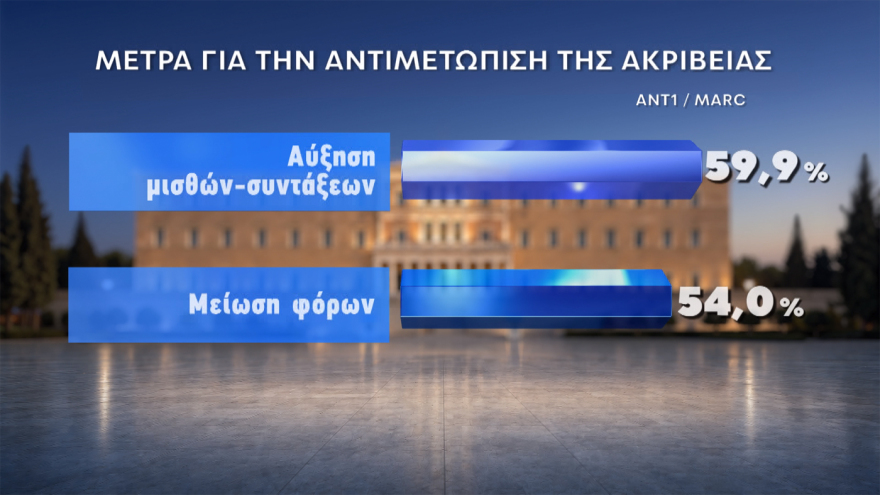
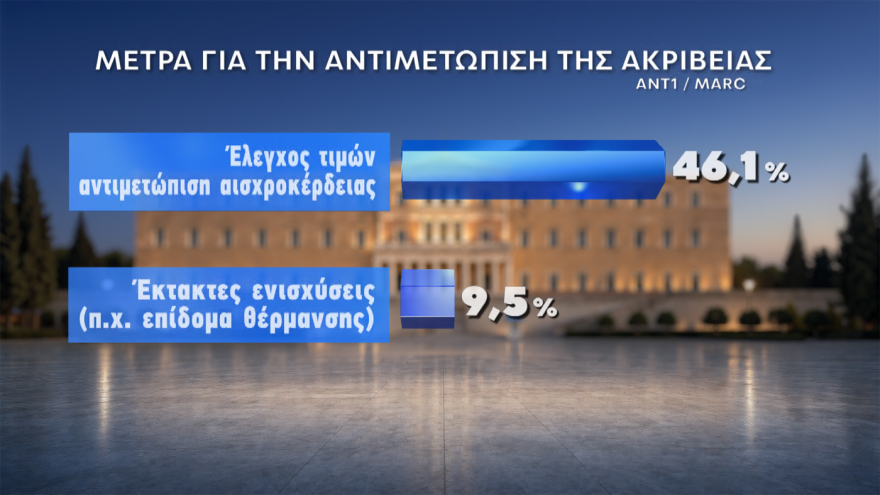
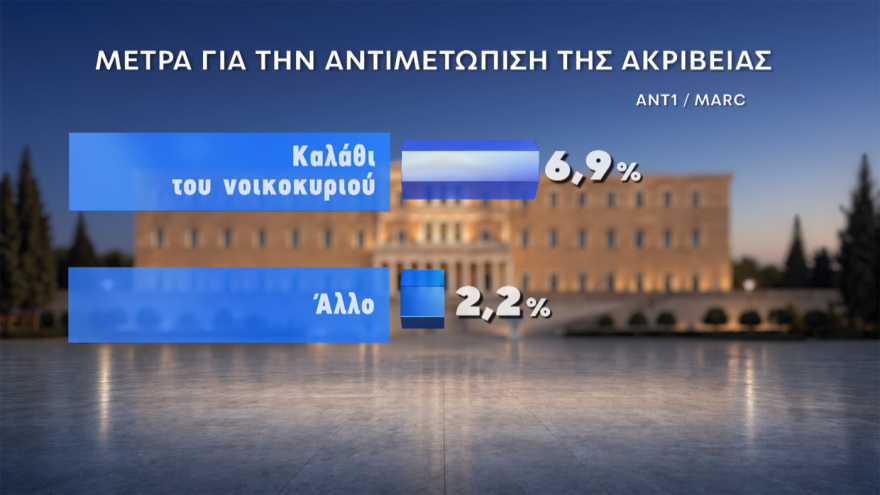
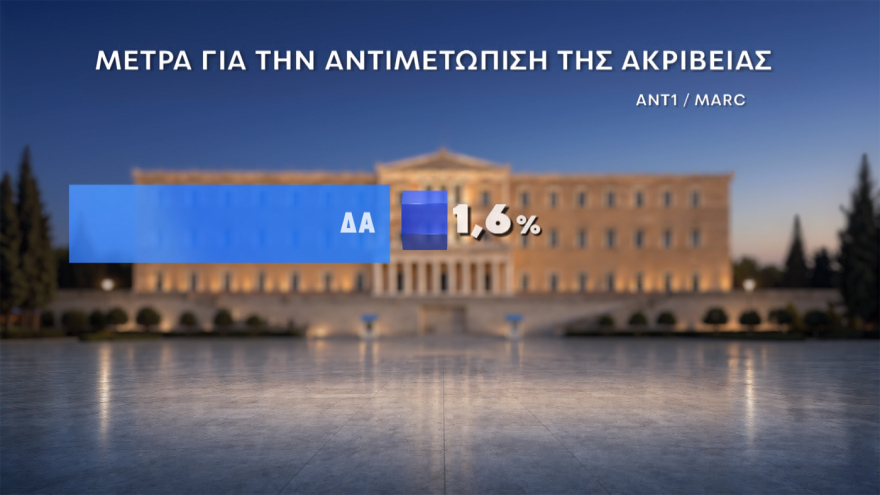
Almost six in ten respondents (59.9%) want increases in wages and pensions as an antidote to high prices, while 54% are calling for tax cuts. Almost one in two (46.1%) want more intensive price inspections and action to tackle profiteering.
Emergency financial support measures, such as the heating allowance, received just 9.5%, while the “household basket” initiative was backed by 6.9%.
Among voters of the governing party, 30.2% believe the government is doing everything it can, 41% acknowledge its efforts but want more drastic measures, while 27.4% believe it is dragging its feet.
An interesting finding is that more than one in three PASOK voters (35.4%) believe the government is doing everything it can but call for more decisive intervention, while 57.1% say the government is dragging its feet.
Beyond high prices, the poll also records public perceptions of the extent of fraud and tax evasion, as well as the effectiveness of state inspection mechanisms.
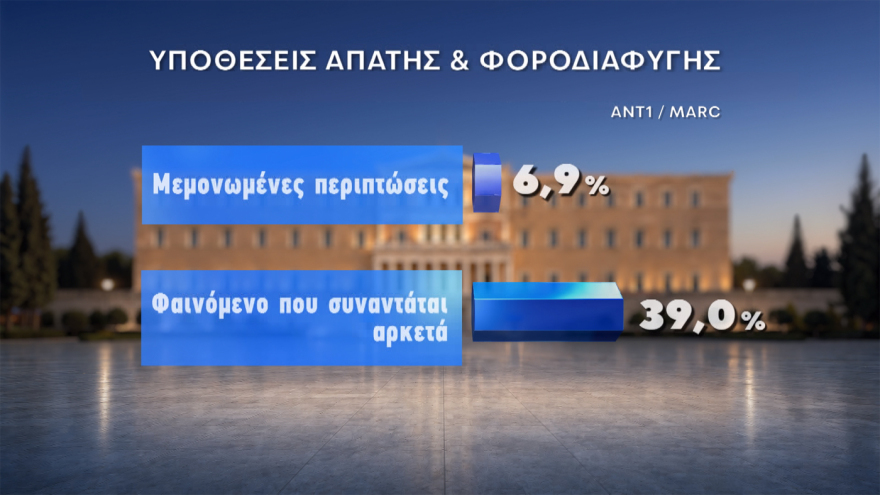
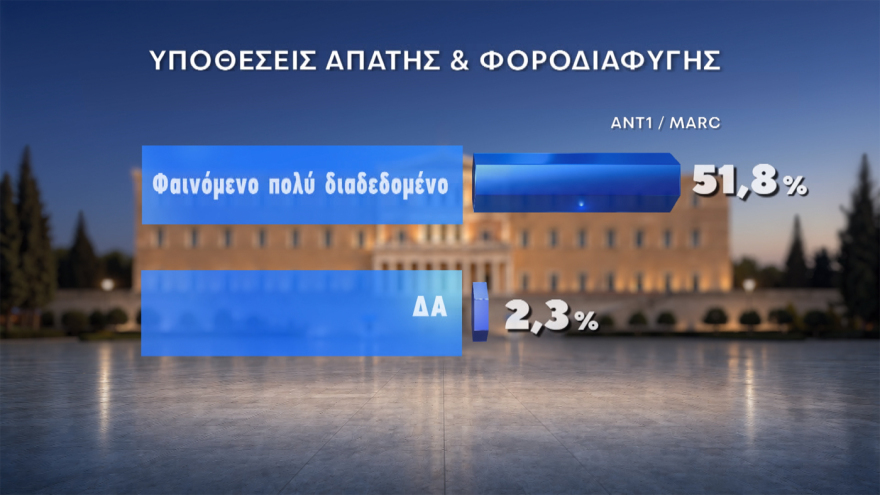
A total of 51.8% believe these practices are very widespread, while 39% say they occur quite frequently. Taken together, 90.8% of respondents believe cases of fraud and tax evasion are not isolated incidents, with just 6.9% expressing the opposite view.
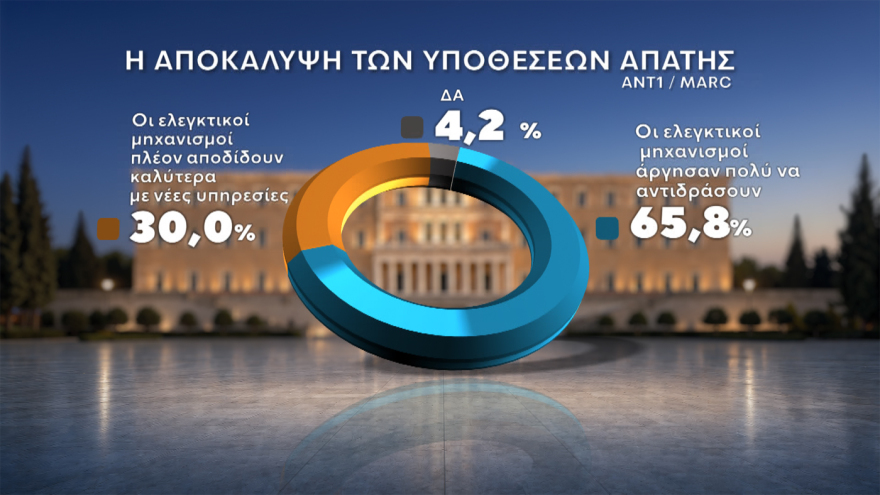
At the same time, 65.8% believe the authorities responsible for inspections were very slow to react, while 30% say they are now performing better, thanks to the newly established services.
Another significant area of concern is non-performing loans, investment funds and the allocation of responsibility for their management.
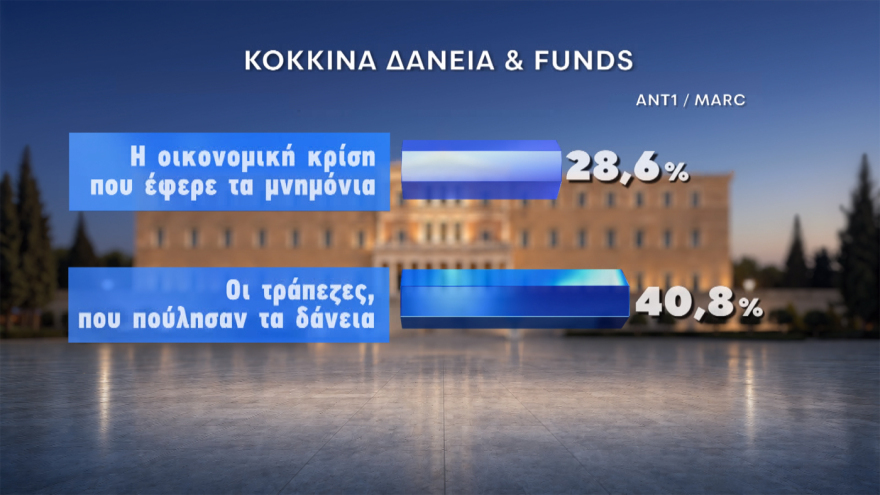
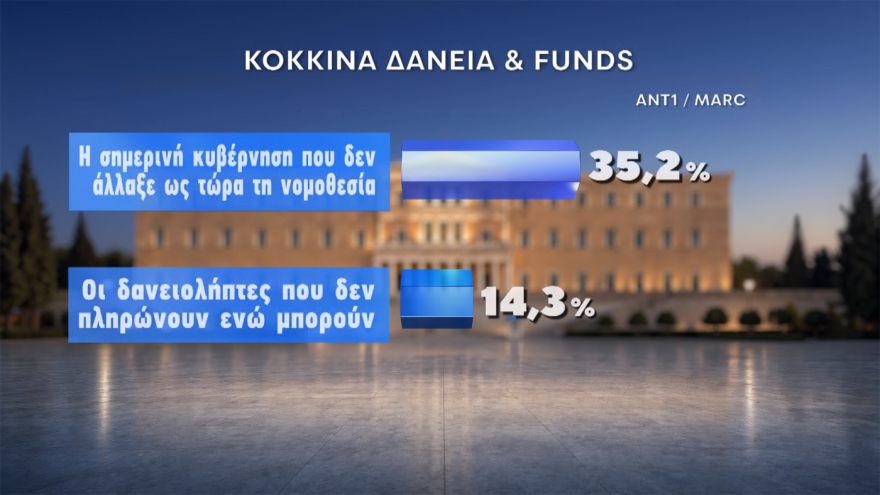
A total of 40.8% of respondents hold the banks that sold the loans responsible, while 35.2% blame the current government for failing to amend the relevant legislation so far.
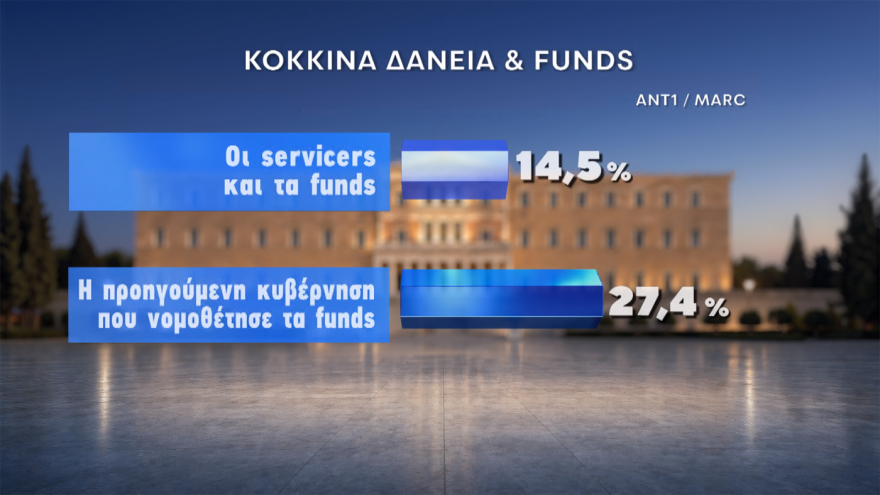
Meanwhile, 28.6% link the problem to the economic crisis that led to the bailout agreements, while 27.4% hold the previous SYRIZA government responsible for legislating on investment funds.
A further 14.5% consider loan servicers and investment funds responsible, while 14.3% blame borrowers who fail to meet their obligations despite being able to do so.
See the Marc poll:
Ask me anything
Explore related questions




