×
GreekEnglish

×
  • Politics
  • Diaspora
  • World
  • Lifestyle
  • Travel
  • Culture
  • Sports
  • Cooking
Wednesday
08
Apr 2026
weather symbol
Athens 24°C
  • Home
  • Politics
  • Economy
  • World
  • Diaspora
  • Lifestyle
  • Travel
  • Culture
  • Sports
  • Mediterranean Cooking
  • Weather
Contact follow Protothema:
Powered by Cloudevo
> Politics

Ideology & not just energy, explains Turkey’s Mediterranean disruptions – Analysis

Left unchecked, Turkey’s Pan-Islamist, Neo-Ottoman inspired ideology will enflame regional tensions well into the future

Newsroom September 26 01:14

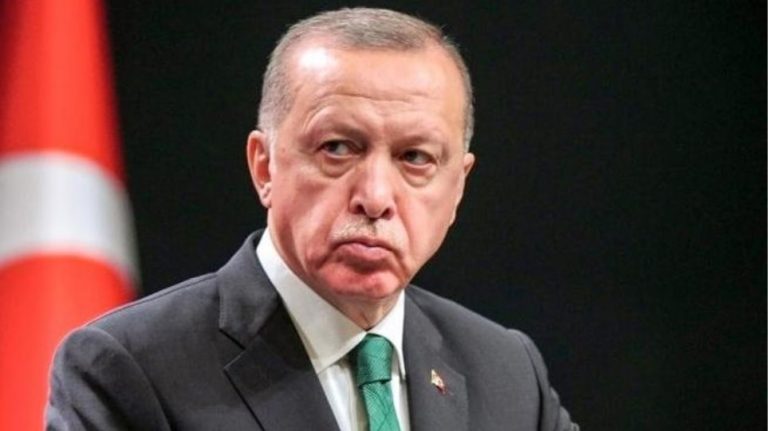
Over the next few days, European Union leaders will meet to discuss potential sanctions against Turkey based on Ankara’s aggressive energy claims against EU members Greece and Cyprus. Conflicting interests within the EU itself will likely preclude the bloc from actually imposing sanctions. But at the core of the recent crisis between Greece and Turkey lies a dangerous ideological model—not a mere dispute over energy resources. In the West, media outlets are mischaracterizing the true source of disruption in the Eastern Mediterranean. Although Turkey recalled its seismic research vessel Oruc Reis to the port of Antalya, this crisis is far from over—and now extends beyond Athens and Ankara. To be sure, Turkey’s Pan-Islamist, Neo-Ottoman ideology is the primary reason the Eastern Mediterranean now looks increasingly more like the South China Sea.

This reality should hardly come as a surprise, as the warning signs of regional disruption have been lying in plain sight. By ignoring ideological futures, Western media and governments alike have missed key signals and emerging trends that foreshadowed the present disruption. Over the past decade and a half, Turkey has sought to revive a classical, civilizational model of the Ottoman Empire’s legacy, underpinned by an embrace of political Islam. Through an alliance with Qatar and the Muslim Brotherhood, Ankara has openly promoted its Pan-Islamic brand, financing the construction of mosques across the globe and supporting mercenary Jihadists—in Syria, Libya, the Horn of Africa and the Sahel region of West Africa. The recent conversion of Istanbul’s iconic Hagia Sophia (once the Eastern Christian world’s largest cathedral and a UNESCO heritage site) into a mosque is the coup de grace.

See Also:

Mitsotakis at the UN: I extended a hand of friendship to Erdogan and he responded with provocations & aggression (video)

>Related articles

The first ships passed through the Strait of Hormuz after the ceasefire: A Greek-owned vessel among them

BBC: Why only Pakistan could bring the US and Iran to an agreement, the “brotherly” relationship and Trump’s favorite Field Marshal

The British destroyer HMS Dragon will make a “resupply stop”…15 days after its arrival in Cyprus

The unknown incident: Turkey loses F-16 after mock dogfight with Greek jet fighters

This ideological model is a catalyst for Turkey’s flagrant revisionism, which now threatens the integrity of the NATO alliance and regional stability. President Erdoğan openly questions the Treaty of Lausanne (the 1923 agreement that sets the boundaries of modern Turkey) implying that Mustafa Kemal Ataturk made undue territorial concessions. Erdoğan has complained that Turkey “gave away” islands to Greece and flouted a 1920 plan that includes Turkish territorial claims to northern Syria, northern Iraq, Armenia, parts of Georgia, and even Iran.

Read more: National Interest

Ask me anything

Explore related questions
#analysis#diplomacy#greece#military#neo-ottoman#politics#strategy#turkey#Turkish President Recep Tayyip Erdogan#war
> More Politics

Follow en.protothema.gr on Google News and be the first to know all the news

See all the latest News from Greece and the World, the moment they happen, at en.protothema.gr

> Latest Stories

The first ships passed through the Strait of Hormuz after the ceasefire: A Greek-owned vessel among them

April 8, 2026

Emmanuel Macron: 15 countries to participate in a defence mission for security in the Strait of Hormuz

April 8, 2026

Ceasefire in the Middle East: Good news for the shipping industry and the markets – Return to normality remains

April 8, 2026

BBC: Why only Pakistan could bring the US and Iran to an agreement, the “brotherly” relationship and Trump’s favorite Field Marshal

April 8, 2026

Impressive shots of the work on the Calatrava canopy at OAKA, workers hanging from a height of 62 meters

April 8, 2026

Letter from Mitsotakis to von der Leyen on protecting minors from digital addiction: Establish a European “digital age of majority” at 15

April 8, 2026

Easter in Pyrgos Santorini: The custom with thousands of lanterns – see video

April 8, 2026

The blue tremors and the institutional Nikos D., the day’s measures for minors on social media, the Hungarians in Fourlis, Fessas’ deal in Energy

April 8, 2026
All News

> World

The first ships passed through the Strait of Hormuz after the ceasefire: A Greek-owned vessel among them

Two ships crossed the Strait of Hormuz after Iran agreed to reopen the strategic passage as part of the ceasefire agreement with the United States

April 8, 2026

Emmanuel Macron: 15 countries to participate in a defence mission for security in the Strait of Hormuz

April 8, 2026

BBC: Why only Pakistan could bring the US and Iran to an agreement, the “brotherly” relationship and Trump’s favorite Field Marshal

April 8, 2026

Trump on Iran ceasefire: ‘It’s a great day for World Peace, China pushed them to negotiate’

April 8, 2026

Strait of Hormuz: experts warn that the decalcification in fuel prices will be delayed

April 8, 2026
Homepage
PERSONAL DATA PROTECTION POLICY COOKIES POLICY TERM OF USE
Powered by Cloudevo
Copyright © 2026 Πρώτο Θέμα