The Greek cuisine, with its wide variety of high quality ingredients and its wisely considered and highly beneficial combinations which encapsulate the knowledge of centuries, enjoys a privileged position in the global culture of taste alternatives.
Greece is characterized by its numerous islands and the rugged terrain of the mainland. This morphological diversity creates “worlds within worlds”. A trip to Greece means a fascinating exploration of tastes, flavours, unexpected combinations and endless variety.
Common characteristics are the excellent raw ingredients and flavours specific to Greece: oregano, thyme, bay leaves, rosemary, lemon, and, of course, olive oil. Fine meat produced by small farmers, fresh fish and seafood, dairy products which are accredited worldwide, healthy fresh vegetables served with brilliant wine, and mouth-watering fruits all serving to create a kaleidoscope of tastes!
Energetic creative chefs from Greece have made a definite impression at international events, helping to spread a wider appreciation of Greek cuisine. Imaginative experiments with tried and tested recipes, unexpected combinations of exquisite ingredients, the use and renaissance of tradition – creative modern Greek cuisine is lively and provocative, establishing Greece as one of the shrines of the high culinary arts.
The Aegean – flavours of sun and sea
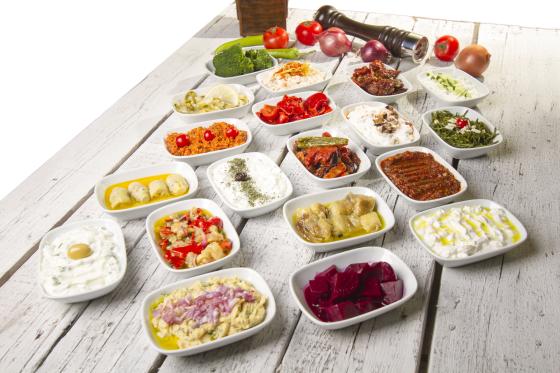
The numerous islands of the Aegean, one of the largest and most important island groups in the world, is a land formed from the sun, the sea and the refreshing wind. The specific microclimate of each island has contributed to the creation of unique products, some of which cannot be found anywhere else in the world. Thus, each island is its own unique culinary paradise.
The cuisine of the Cyclades is primordial and reflects its deep cultural history. With its distinctive character, heady aromas, and fruit and vegetables ripened in bright sun, it is a separate chapter of the Greek gastronomic tradition and indeed of world culinary history.
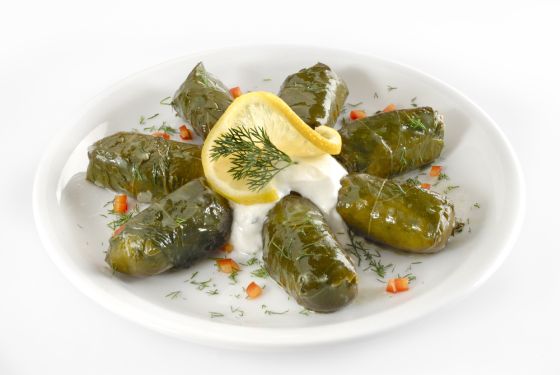
The famous Aegean ‘makarounes’ (hand-made fresh pasta with caramelized onions), Kassian pilaf, ‘sgardoumia’ (offal soup) from Santorini, Karpathos ‘vyzanti’ (stuffed lamb or goat with bulghur wheat cooked in a wood-burning oven), Serifos ‘marathotiganites’ (fennel rissoles), ‘dolmadakia’ made with vine leaves and herbs, ‘melitera’ (sweet cheese pies with vanilla) from Anafi, and Sifnos’s ‘melopita’ (honey pie), are some of the thousands of dishes that can be sampled by the traveller in the warm embrace of the Aegean.
The beauty of the Cyclades islands has become a tourist attraction not only for travellers but also for people involved creatively in the culinary arts, who come here to expand their knowledge and show their love of Greek cuisine. The restaurants of the Cyclades islands occupy a prominent place in international rankings and are highly respected by devotees of haute cuisine and authentic eating experiences.
The Ionian Islands – a taste of the cosmopolitan
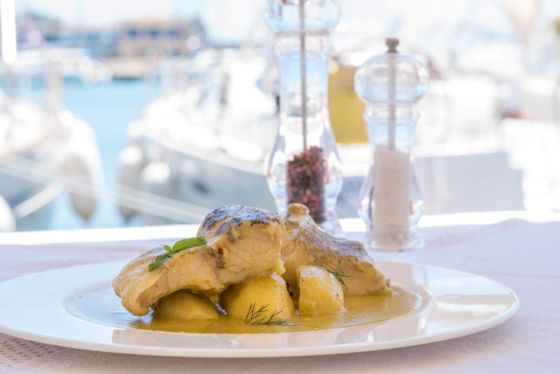
The flavours of the Ionian Islands, with their Italian names and distinctive character, form a separate chapter in the Greek culinary arts. ‘Savoro’, which means “sour”, is a wonderful recipe with rosemary and vinegar widely used in the Ionian Islands to season and preserve fish, as well as vegetables. It is the trademark of Ionian Island cuisine.
‘Bourdetto’ (scorpion fish cooked in a red-hot spicy tomato sauce), ‘sofrito’ (veal steak slow cooked in a white wine, garlic and herb sauce), ‘pastitsada’ (braised beef, pork or rooster in a spicy cinnamon tomato sauce usually served with rigatoni pasta), ‘stifado’ (beef stew with baby onions), ‘strapatsada’ (scrambled eggs with tomato and feta), ‘tsigareli’ (wild greens or cabbage in spicy tomato sauce), ‘pastitsio tis nonas’ (baked pasta and mince with a béchamel sauce topping), ‘bakaliaros me agiada’ (de-salted preserved codfish fillets with ‘skordalia’ garlic sauce) are some of the recipes that incorporate centuries of history and culture. Superb wines and unique drinks and beverages like kumquat liqueur and ginger beer, and desserts and sweets such as ‘pantespani’ syrup-soaked sponge cakes, ‘mandola’ nougat and ‘pasteli’ sesame seed and honey bars accompany the rich yet delicate gastronomic cultural traditions of the Ionian Islands.
Crete – the elixir of life
Crete, the uniquely Mediterranean island, with its long history, seductive natural surroundings and proud inhabitants, is fast becoming a destination that offers great excitement as an authentic gastronomic experience. A culinary tour of Crete is a journey into the culture of the island.
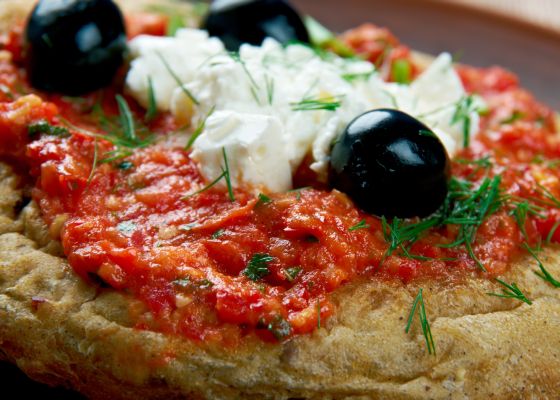
Discovery of the secrets of Cretan cuisine is an invitation to sample the art of living. The traditional pilaf rice of Chania prepared with rooster or beef, the famous “ofto” roasted baby goat which is served almost everywhere in Crete, fresh salads and traditional ‘dakos’ (barley rusks with fresh tomato, soft white cheese and olive oil) are just some of the recipes of traditional Cretan cuisine.
In Chania, Heraklion, Rethymno, Ierapetra, Siteia and also in the smaller towns, high quality restaurants have been established which make use of top quality healthy ingredients. This has served to promote the reputation of Cretan cooking and create what could be called a new golden age for Cretan gastronomy.
The Dodecanese – cooking as magic
The territories of the Dodecanese islands have always been at the heart of gastronomic history. The culinary palette of Rhodes – the island of the Knights, of Karpathos, Patmos, Kastelorizo and the other islands of the archipelago reflect the meeting of cultures that occurred here.
The Dodecanese cuisine is particularly rich and varied. Stuffed baby goat or ‘kapamas’, ‘boukounies’ (pork cooked in various herbs) as well as the excellent sweets and desserts, such as ‘xerotigana’ (fried spiral pastries in syrup or honey) and ‘pastelaries’ (dried figs with almonds and sesame seeds) are just some of the culinary delights to be enjoyed here.
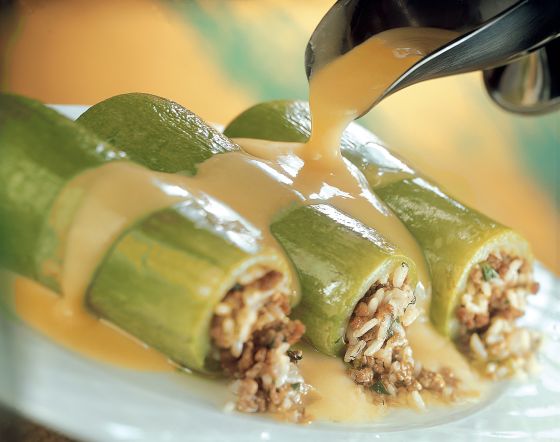
The influences of tradition are clearly alive in the Dodecanese and are indicative of the culinary panorama of the eastern Mediterranean.
Mainland Greece – wisdom in flavour
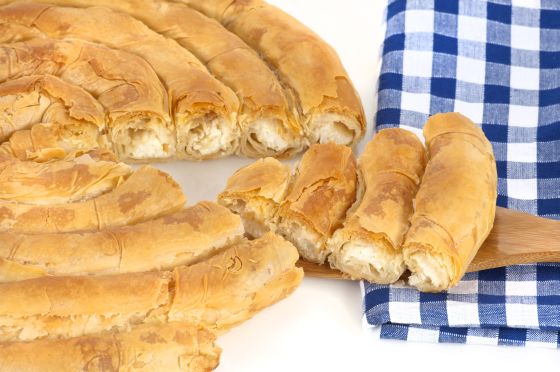
The mountain regions are the territory of choice meats. Greece has a strong tradition in “opta” meat, that is, ‘dry’ cooked over charcoal or flame, or roasted on the spit. The great spring celebration of Easter is celebrated by everyone, to the accompaniment of delicious lamb or goat dishes.Traditional pastry pies are another large chapter in Greek cuisine.
Many different processes are followed, which give the pastry a wide variety of consistencies, sometimes thin translucent sheets, and sometimes more crumbly and richer.
With these pastries the Greek imagination has created a seemingly endless number of delicious combinations. Savoury pies with cheese, wild greens and herbs and meats, or sweet, with milk, rice, cinnamon or yogurt – the possibilities are inexhaustible.
Thrace, Macedonia, Thessaly, Epirus, and Peloponnese – each corner of Greece makes its own pies, either baked or pan-cooked. They are the essential accompaniment to the richly laid table and have pride of place in every local cuisine.
Ask me anything
Explore related questions