

×
GreekEnglish

×
  • Politics
  • Diaspora
  • World
  • Lifestyle
  • Travel
  • Culture
  • Sports
  • Cooking
Thursday
21
May 2026
weather symbol
Athens 18°C
  • Home
  • Politics
  • Economy
  • World
  • Diaspora
  • Lifestyle
  • Travel
  • Culture
  • Sports
  • Mediterranean Cooking
  • Weather
Contact follow Protothema:
Powered by Cloudevo
> technology

Russian scientists hope to restore Ice Age steppe with “Pleistocene Park”. Will it work?

A team of Russian scientists is working to re-create that ancient landscape

Newsroom December 28 09:03

Δείτε περισσότερα άρθρα μας στα αποτελέσματα αναζήτησης

Add Protothema.gr on Google


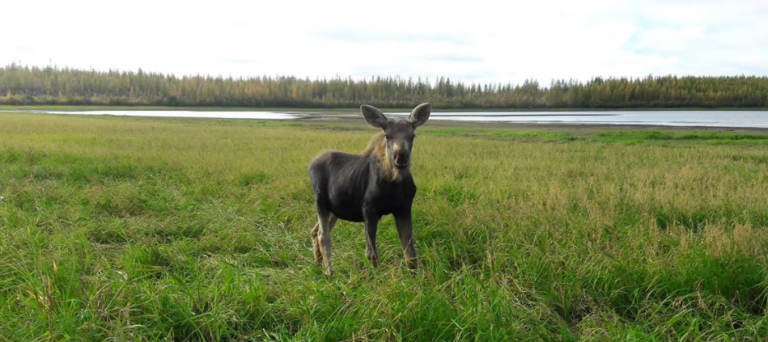
Tens of thousands of years ago, the chilly Siberian steppes were vibrant grassland ecosystems, supporting diverse communities of lumbering herbivores such as mammoths, woolly rhinos, moose, horses and bison. But after most of those species disappeared at the end of the Pleistocene epoch (2.6 million to 11,700 years ago) the grassland habitats foundered, with much of the grasses disappearing.

>Related articles

Mental illness problem in Portugal: Rise of people of people who identify as animals & seek treatment from…veterinarians!

In Beijing, Putin: Warm welcome from the Chinese foreign minister (video)

Trump’s “digital lockdown” in Beijing: Why he was forced to leave his phone on Air Force One for two days

Today, a team of Russian scientists is working to re-create that ancient landscape. In a fenced-off zone in northern Siberia named “Pleistocene Park,” researchers seek to restore a vanished world where oversized grass-eaters roamed 20,000 years ago. In doing so, the scientists also hope to address the global problem of climate change, according to research presented on Dec. 12 at the annual meeting of the American Geophysical Union (AGU).

In the Arctic, permafrost cover is currently vulnerable to melt, and melting permafrost releases stored greenhouse gases, said Nikita Zimov, a researcher with the Pacific Institute for Geography at the Russian Academy of Sciences and the director of Pleistocene Park. An estimated 1,400 gigatons of carbon — 1 gigaton is equal to 1 billion tons — is thought to be frozen in Earth’s permafrost, according to the National Snow and Ice Data Center (NSIDC).

Read more HERE

Ask me anything

Explore related questions

#Arctic#Park#Pleistocene#russia#science#technology
> More technology

Follow en.protothema.gr on Google News and be the first to know all the news

See all the latest News from Greece and the World, the moment they happen, at en.protothema.gr

> Latest Stories

Gas smell in Attica: What the new data analysis and the map of “suspicious” areas show

May 21, 2026

Athens public transport upgraded: New trains, “smart” network, and more frequent metro and bus routes

May 21, 2026

Thyranoixia of the Saint Tychon Parish in Luleå, Sweden

May 20, 2026

Tehran considers a new US proposal after the visit of the Pakistani mediator

May 20, 2026

Eurostat: Inflation in Greece confirmed at 4.6% in April

May 20, 2026

Trump on Iran: Either we’ll finish it or they will sign an agreement

May 20, 2026

Dendias: Ukraine owes a big apology for the drone, I am not among those who have believed the narrative of “calm waters”

May 20, 2026

“Life of Byron”opens at the Greek Center next week

May 20, 2026
All News

> Greece

In reverence, the emotional deposition in Jerusalem, see photos & video

The Holy Temple of the Resurrection opened after many days due to the war between Israel and Iran

April 10, 2026

In the final stretch for the accreditation of joint master’s degrees: Aiming for their launch in the coming academic year

April 10, 2026

Schedule for Epitaph Procession today (10/4)

April 10, 2026

Perfect weather for Easter excursions, according to Tsatrafyllia’s forecast

April 10, 2026

Easter in Greece: The customs that continue in Greek tradition – From Nafpaktos to Corfu

April 10, 2026
Homepage
PERSONAL DATA PROTECTION POLICY COOKIES POLICY TERM OF USE
Powered by Cloudevo
Copyright © 2026 Πρώτο Θέμα



