





The new series “Omnivore” takes viewers on an exhilarating journey through the world of food, exploring the beauty and complexity of the human experience through the lens of eight fundamental ingredients that connect us all.
In a world where cooking shows are as ubiquitous as the next TikTok video, the new documentary series “Omnivore” promises to offer something truly unique and different. It took eight directors who conducted hundreds of interviews across 17 countries and five continents to create the massive new series premiering on July 19 on Apple TV. Though it is not a travel show, nor is it just another food show, it excitingly combines the two genres.
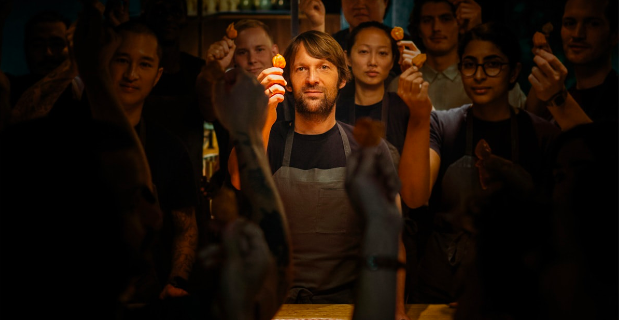
Created and narrated by the culinary genius René Redzepi, the highly anticipated series guides the audience on an odyssey that spans the globe, revealing intricate stories behind the essential ingredients that have shaped societies, cultures, beliefs, and the course of human history. Redzepi, co-owner of the three-Michelin-starred restaurant Noma, is known for his love of local ingredients and his rigorous pursuit of high-quality components. His philosophy at Noma blends modern technology with tradition and sustainability, presenting dishes that reflect Denmark’s history and geography in a contemporary and creative way.
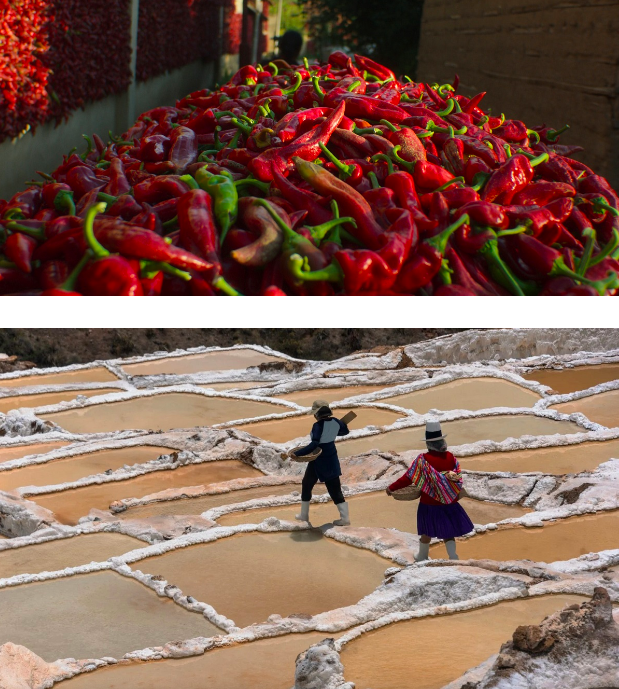
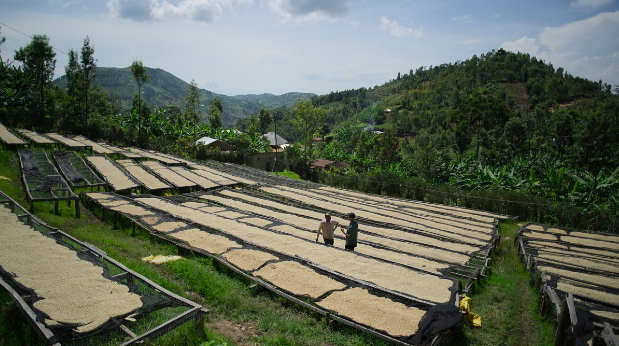
The eight episodes of “Omnivore” explore eight ingredients that have shaped our world: banana, pepper, coffee, corn, pork, rice, salt, and tuna. The series takes viewers to various destinations (Bali, Colombia, Denmark, Djibouti, France, India, Japan, Mexico, Peru, Rwanda, Serbia, South Korea, Spain, and Thailand) as well as locations throughout the United States. In each episode, Redzepi and the series’ contributors offer an intimate exploration of culinary traditions, highlighting each place’s efforts to honor, preserve, and protect the land’s offerings.

But why these eight ingredients? Was it merely a random choice in a vast, delicious world of foods? “We wanted to find ingredients that represent all the different facets of our human nature. Pepper is about the psychology of people, corn about innovation,” explains the Emmy-winning producer of the series, Matt Goulding. “Omnivore” is undoubtedly a gastronomic love letter to humanity, promising an epic visual dive not only into how we cook but also how food has “cooked” us, shaping our societies, cultural values, and even our DNA.
Goulding, who collaborated for many years with Anthony Bourdain, emphasizes, “Above all, we aim to develop some of the biggest questions: Who are we? What have we done right and what have we done wrong? How can we improve in terms of food cultivation and caring for ourselves and the planet?” From the salt flats of Djibouti in Africa to the mountains of seven colors in Peru, the series explores every point of reference in its effort to understand our relationship with food.
“Omnivore is to food and culture what ‘Planet Earth’ is to nature,” explains Redzepi, who believes that food is the most important thing we have. “If the whole world loved food as much as the people of Singapore do, I think we would be in a better place.”
The show further explores themes related to how we eat and how we evaluate food. As René Redzepi notes, “We often take food for granted and forget how important it is. It’s much more than mere survival. It makes us who we are, makes life enjoyable, we share meals, we eat well.” And if there were to be a ninth episode, which ingredient would be its star? Redzepi and Goulding enthusiastically suggest the raisin, hinting at the promise of an adventure steeped in the world of wine.
Ask me anything
Explore related questions




