Walking through the Kaisariani Shooting Range Park at this time of year, a space that is not very large but undoubtedly a precious green lung in the much-loved neighborhood of Athens, amidst blooming nature, birds singing, and children playing, one cannot help but feel the enormous historical and cultural weight carried by this area.
The cheerfulness and optimism of spring gradually give way to an almost imperceptible melancholy and nostalgia for things the visitor has not experienced, as few survivors with clear memories of the events of World War II and the Occupation in Greece remain.
The Shooting Range of Kaisariani: The redevelopment of the historic park has stalled over… 25 trees
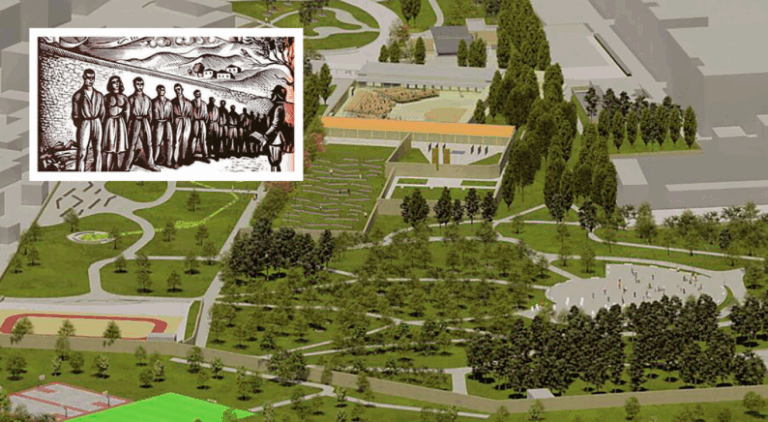
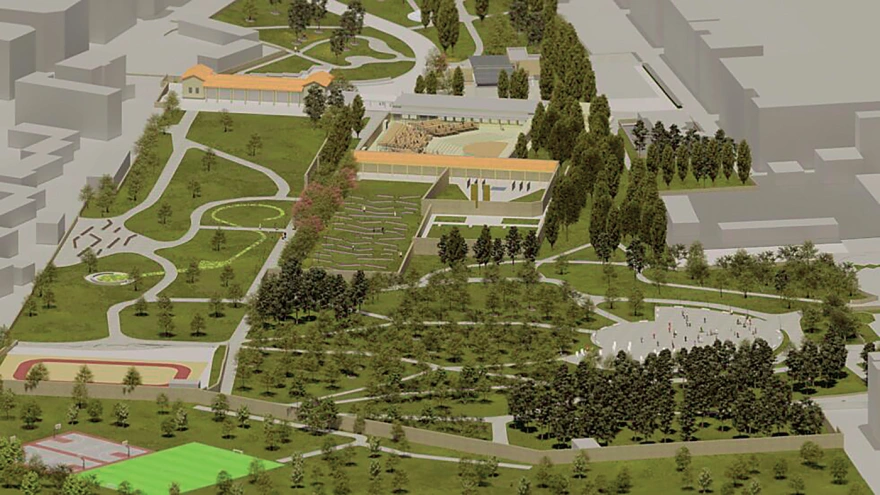
The design plan for the redevelopment of the Kaisariani Shooting Range Park
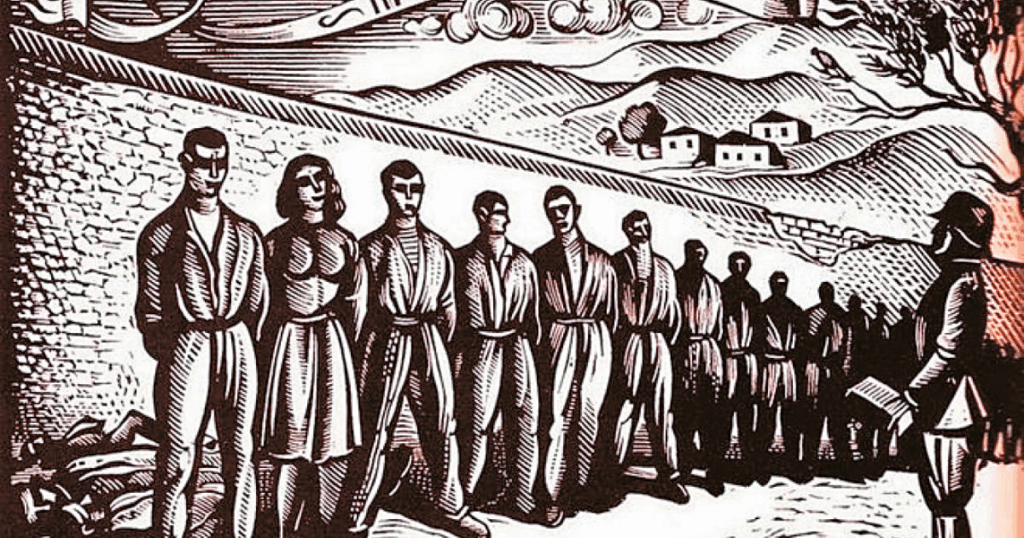
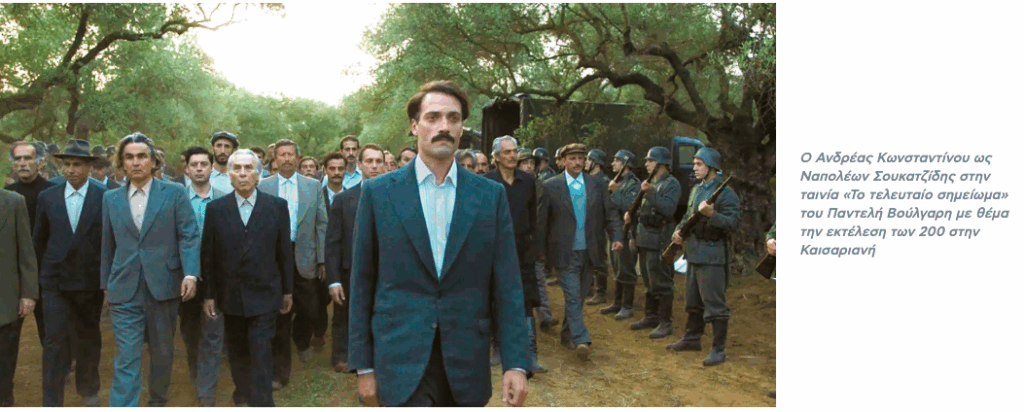
Yet, in this small place, visitors encounter a chapter of Modern Greek history that is both glorious and martyr-like. As you approach the wall where the German occupiers executed hundreds of Greek patriots, your steps, whether you want them or not, become heavier. You reflect on the heavy blood toll paid by innocent Greeks on the altar of Nazi efforts to crush their resistance spirit through horrific atrocities and to delay their liberation.
You see the execution wall with cypresses rising behind it—images reminiscent of a cemetery, silent witnesses to the brutality of the occupiers and the heroism of the Greeks. Every tree, stone, soil, and shrub perhaps hide a small story of those executed, having seen their last gaze before being taken by the murderers’ guns. A sacred space in memory of those who fought for Greece’s freedom.
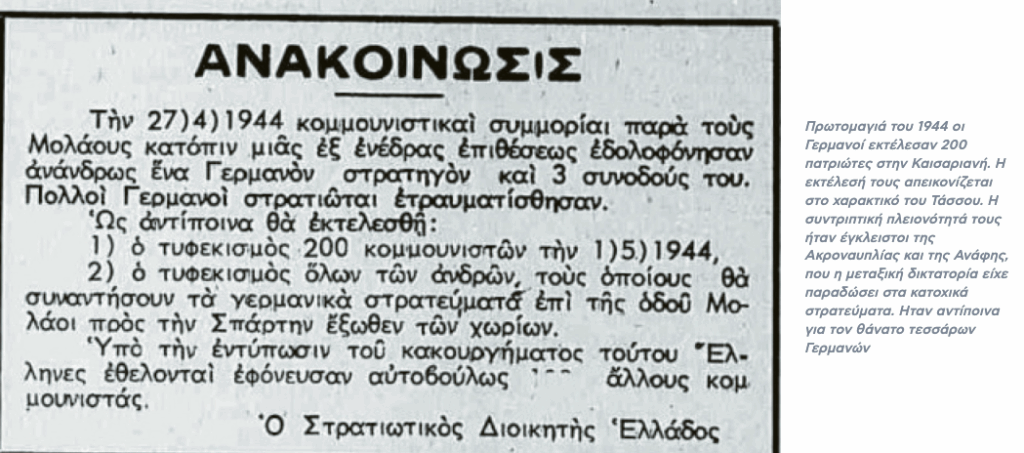
Literally soaked in blood, the historical fact is confirmed by the most categorical way: after the execution of 200 fighters on May Day 1944, the Germans didn’t even think of cleaning the site from the blood of their victims. A few days later, when they brought the next batch of condemned prisoners, they slipped among blood mixed with rainwater, forming red muddy puddles.
Shocking? The words lose their meaning. The Germans found a solution: they moved them to the other side of the wall to complete their heinous work.
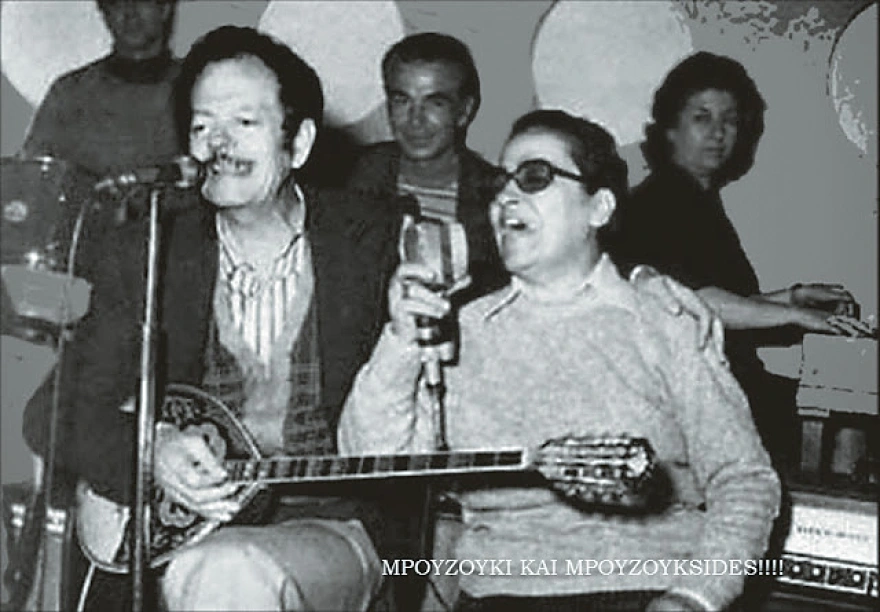
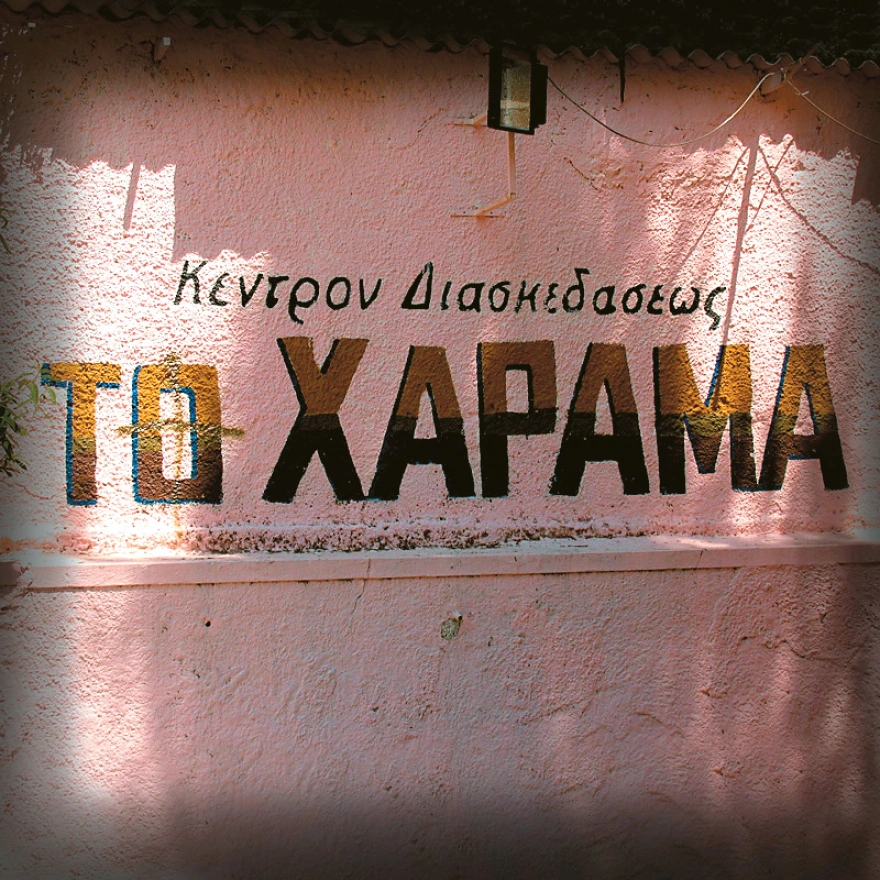
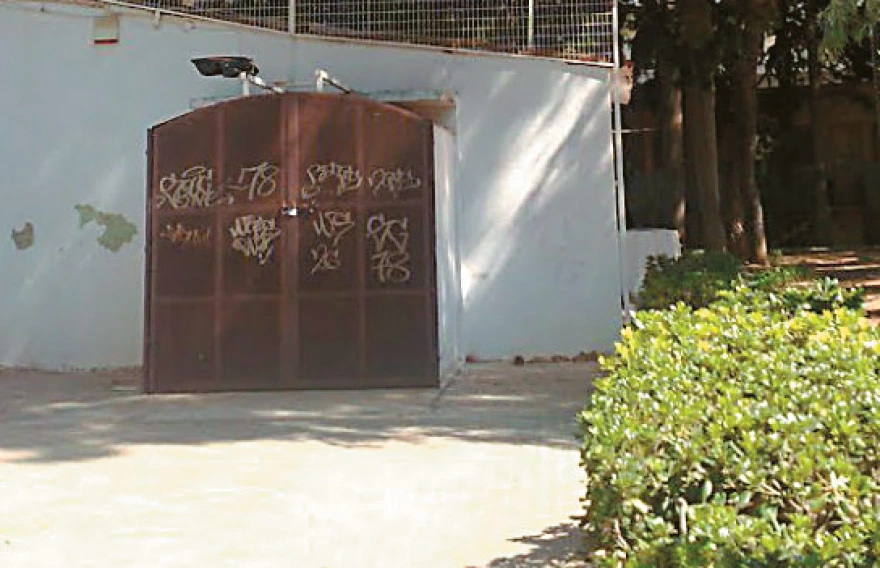
A few steps away is “Chara”, the remnants of which now exist. A symbol of post-war life in Athens, especially of the popular song scene, today a ruin with graffiti, metal sheets, and patches. It was initially linked to Giorgos Papaioannou and later flourished under Vassilis Tsitsanis, accompanied by Sotiria Bellou, with many other artists leaving their mark. Prime ministers, business magnates, scientists, and prominent personalities used to enjoy performances there, mingling with ordinary people, to the sounds of authentic Greek folk music. For devotees, it was a place of worship—a cultural, entertainment, and educational sanctuary. Its name, now spray-painted, reminds us of what it once was.
The redevelopment of Kaisariani Shooting Range has stalled over… 25 trees
The model for the park’s redevelopment
In this historically charged and battered space, which has been preserved within a concrete enclosure, plans are underway for its renewal. Kaisariani is densely built but retains a unique beauty, with many houses and entire neighborhoods preserved from the time of the refugees from Asia Minor. The greenery is also significant, with Mount Hymettus and its forest covering the area, as well as the vast green lung of the University Campus, separating it from Ilisia and Zografou. However, these do not diminish the importance of the Shooting Range Park and its redevelopment.
The ambitious €6 million plan, under the “Antonis Trisīs” program of the Ministry of Interior for Local Development and Solidarity, faces implementation problems. It was about to start but stopped, largely resembling the halted progress of many Greek large and small projects, often questioned, delayed, and eventually frozen for long periods due to legal appeals. Often, these are backed by “collectivities” that sometimes for serious reasons and sometimes not, block various projects indefinitely. An example is the defense of the “cormorant” rights in the Elaiόnas redevelopment and the new PAE stadium, among others.
Legal appeals often impose significant, sometimes insurmountable, obstacles under the guise of environmental concerns, but frequently driven by petty interests, ideological obsessions, and stubborn refusals to modernize or innovate.
In this context, the redevelopment of Kaisariani Shooting Range is also caught in a legal dispute. The conflict is between the municipality and a residents’ group opposing primarily the cutting of 40 trees, which are adjacent or connected to the historic buildings within the park slated for redevelopment. Although it was agreed that only 25 trees would be cut after new discussions, this remains a contentious issue.
The “Assembly of Kaisariani and Surroundings Residents for the Preservation of the Shooting Range” filed a lawsuit, claiming that the redevelopment would lead to commercialization. The municipality firmly denies such claims. The residents’ assembly sought legal injunctions, and in August 2024, they managed to halt the project temporarily. Meanwhile, the current municipal administration, elected in 2023 under Ilías Stamélos, revealed that the previous administration of Chryso Voskopooulos had not secured the necessary permits from the Forest Service for the tree-cutting and failed to inform the successor.

The final decision is expected soon. The project could potentially proceed, as the Administrative Court of Appeal asked for a suspension of work only in the area where trees are to be cut. However, another dispute arose between the municipality and the contractor. Construction stopped; the contractor requested termination of the contract, but the Municipal Council unanimously rejected this request on March 27, 2024, extending the deadline by 15 months for completion. The contractual deadline was April 16. The current mayor emphasizes that the redevelopment will be completed.
What is planned:
The contract was signed exactly one year earlier, with work beginning on May 9, 2024. It envisions transforming the park into a Cultural Multi-Space, including:
- Redevelopment of the historic entertainment center “Chara,” with renovation of the hall, which will be preserved as “Tsitsanis Hall.” It will host events and performances, with spaces for folk music and traditional instrument lessons, traditional dance and ballet classes, a small exhibition space for rebetiko, recording studio, and refreshment area.
- Redevelopment of the former offices of the Shooting Society, to be converted into a Municipal Library with reading rooms, hosting books on Asia Minor culture and the National Resistance, as well as a multi-purpose cultural space with art workshops. An open theater with 800 seats will be built in front of the space for theatrical, musical, and dance performances, events, lectures, conferences, art exhibitions, and screenings.
- Creation of a small athletics track with outdoor sports facilities in the area now occupied by a dirt field, along with installation of modern fitness equipment, making a “fitness tree,” a pioneering design for outdoor gyms, one of the few in Greece.
- Minor redesign of the “Square of 200,” maintaining the existing fountains’ layout, organizing the square, repairing pavements, replacing equipment where needed, with respect to its overall style and emphasizing the central monument. The goal is to create a unified accessible space with floor lighting and water jets.
- Improvements for pet infrastructure and visitor facilities, accessibility interventions, new lighting, outdoor seating, planting 180 new trees, and increasing fire safety with two firefighting tanks.
The redevelopment has faced legal and administrative hurdles over the past year, but the plan is to proceed, with the final decisions expected soon.
Ask me anything
Explore related questions