





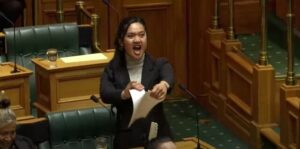
Three Māori members of New Zealand’s Parliament have been suspended after performing a traditional haka protest that went viral last November. The incident, which interrupted a parliamentary session, involved fierce chants and facial expressions—hallmarks of the ceremonial war dance.
Haka Protest Sparks Controversy
The protest began with opposition MP Hana-Rawhiti Maipi-Clarke, who questioned whether her party, Te Pāti Māori (The Māori Party), supported a controversial bill. In response, she initiated a haka on the parliament floor. Maipi-Clarke has received a seven-day suspension for her actions.
Should Māori lawmakers be punished for performing the haka?
— The Indian Express (@IndianExpress) May 25, 2025
The suspension of three Māori MPs who performed a viral haka sparked thelargest ever protests in New Zealand.#Maori #Haka #DW pic.twitter.com/gQjkvCUGUW
The party’s two co-leaders, Rawiri Waititi and Debbie Ngarewa-Packer, have been handed 21-day suspensions.
The bill at the center of the controversy aimed to revise the founding treaty of New Zealand. Although the legislation has since been rejected, it stirred significant debate over indigenous rights.
International Attention and Viral Moment
Videos of the haka protest, typically seen at sporting events or graduation ceremonies, spread rapidly online and attracted global attention. While the haka is deeply symbolic in Māori culture, a parliamentary committee later ruled that its use in the House could be interpreted as intimidating to other MPs.
These disciplinary actions mark a historic precedent in New Zealand’s political history. Until now, the longest suspension ever imposed on an MP was just three days.
Emotional Response from Maipi-Clarke
In an emotional speech during the debate on the sanctions, Maipi-Clarke said with tears in her eyes:
“We will never be silent, and we will never be erased. Is our voice too loud for this House? Is that why we’re being punished?”
Government Under Scrutiny
While New Zealand has been praised internationally for its commitment to indigenous rights, the relationship between the Māori community and the current conservative government has worsened in recent years.
Foreign Minister Winston Peters faced backlash during the session after referring to Te Pāti Māori as “a group of extremists,” stating that “the country is tired of their behavior.”
Ask me anything
Explore related questions




