Whether you find them adorable, ugly, or just plain strange, chances are you’ve heard of the fluffy dolls that have gone viral worldwide — Labubu.
Born as a monster from Chinese toy manufacturer Pop Mart, Labubu is now a viral product. And it has no shortage of celebrity fans: Rihanna, Dua Lipa, Kim Kardashian, and Blackpink’s Lisa. Everyday people are just as obsessed — from Shanghai to London, long lines to buy the doll have made headlines, sometimes even ending in scuffles.
“You feel a huge sense of achievement when you manage to buy one amid such tough competition,” says fan Fiona Zhang.
Global fascination with Labubu has nearly tripled Pop Mart’s profits over the past year and, according to some, has even boosted Chinese soft power, which had been dented by the pandemic and strained relations with the West.
How did we get here?
What exactly is Labubu?
It’s a question that still puzzles many — even those who know the answer aren’t entirely sure how to explain the craze.
Labubu is both a fictional character and a brand. The word itself means nothing. It’s the name of a character from the toy series The Monsters, created by Hong Kong-born artist Kasing Lung.
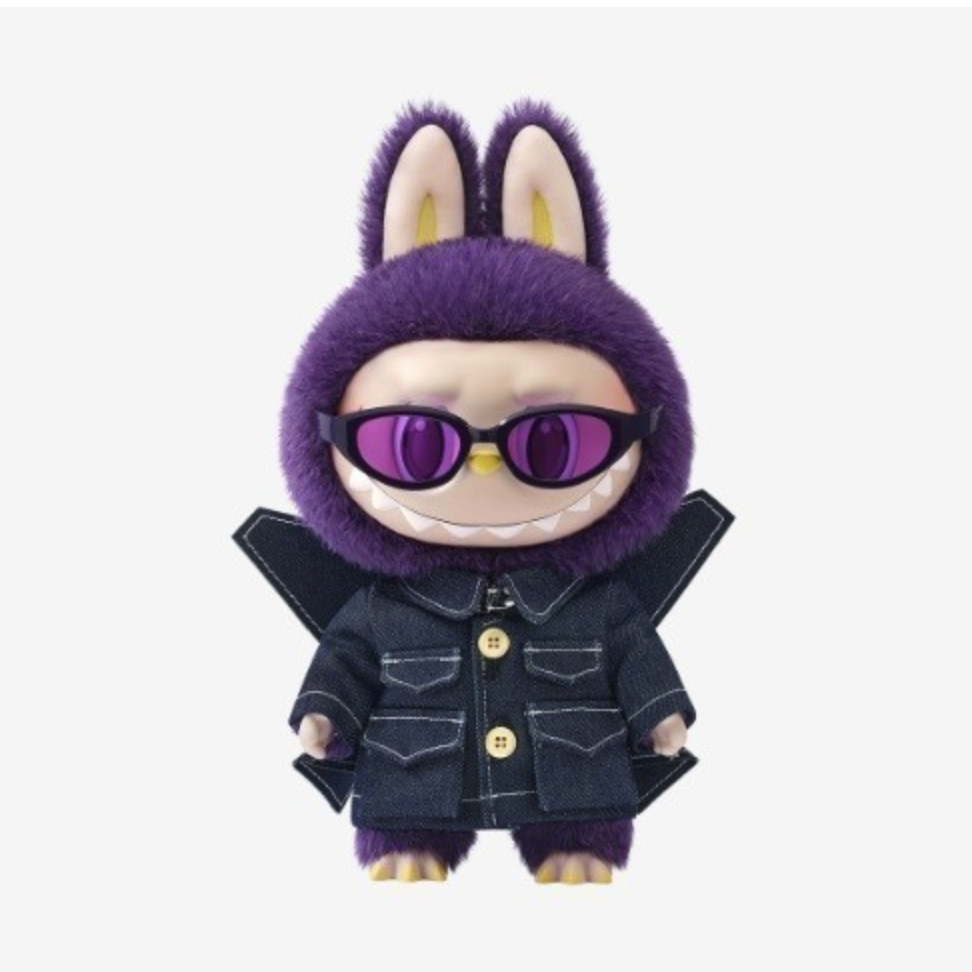
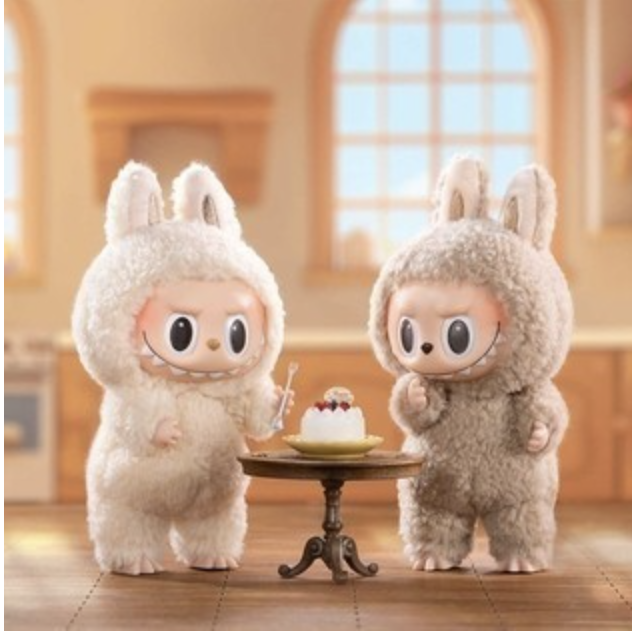
The faces are attached to plush bodies and have a distinctive look — pointy ears, big eyes, and a mischievous grin showing exactly nine teeth. The internet, ever divided, can’t seem to agree if they’re adorable or odd.
According to Pop Mart’s official website, Labubu is “kind-hearted and always wants to help, but often accidentally achieves the opposite.”
Labubu dolls have appeared in various The Monsters series, including Big into Energy, Have a Seat, Exciting Macaron, and Fall in Wild.
The Labubu brand also features other characters from its universe, who have inspired their own popular dolls, such as tribe leader Zimomo, friend Tycoco, and Mokoko.
To the untrained eye, some of these dolls are hard to tell apart. Collectors know the difference, but Labubu’s fame has definitely lifted the popularity of the whole family — which also sells out fast.
Who sells Labubu?
Much of Pop Mart’s sales came from so-called blind boxes — customers discover what they bought only when they open the packaging. The partnership with Kasing Lung for Labubu rights began in 2019, nearly a decade after Pop Mart was founded by entrepreneur Wang Ning in Beijing as a variety store, similar to a dollar shop.
When blind boxes took off, Pop Mart launched its first series in 2016, selling Molly dolls — child-like figures created by Hong Kong artist Kenny Wong.
But it was Labubu sales that powered Pop Mart’s growth. In December 2020, the company went public on the Hong Kong Stock Exchange. The stock has soared over 500% in the past year.
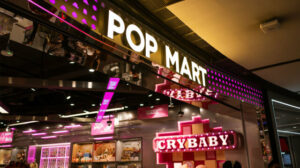
Pop Mart is now a major retailer, with over 2,000 vending machines — or “roboshops” — worldwide. You can buy Labubu dolls in stores, physical or virtual, in more than 30 countries from the US and UK to Australia and Singapore. Many outlets have recently paused sales due to overwhelming demand. Sales outside mainland China contributed nearly 40% of company revenue in 2024.
Reflecting Labubu’s massive popularity, Chinese customs announced this week that over 70,000 counterfeit dolls were seized in recent days.
Still, demand didn’t spike overnight. It took a few years for these goblin-like monsters to win over fans.
How did Labubu become a global trend?
Before the world discovered Labubu, its fame was limited to China. Popularity grew after the country emerged from the pandemic in late 2022, says Ashley Dudarenok, founder of China-focused research firm ChoZan.
“After the pandemic, many people in China wanted emotional escape… and Labubu was a charming yet chaotic character,” she says.
China’s massive, competitive internet produces many viral trends that don’t go global. But this one did — spreading fast across Southeast Asia.
Fiona, living in Canada, first heard about Labubu from Filipino friends in 2023. She began buying them — she finds them cute, but admits popularity fuels desire: “The more popular it gets, the more I want it.”
Her husband doesn’t understand why, as a woman in her 30s, she’s so hooked on something like this, or why she cares about the color she gets. It helps that they’re affordable, she adds. Despite rising resale prices, Fiona says original prices — CAD 25–70 — were “reasonable” for most people she knows.
“That’s about the price of a bag charm these days, so most people could buy one,” she says.
Labubu’s popularity exploded in April 2024, when Thai K-pop star Lisa began posting Instagram photos with various Labubu dolls. Soon, more global celebrities turned them into an international sensation.
Singer Rihanna was photographed with a Labubu clip on her Louis Vuitton bag in February. Influencer Kim Kardashian showed off her 10-doll Labubu collection on Instagram in April. And in May, former England football captain Sir David Beckham posted an Instagram photo of a Labubu doll gifted by his daughter.
Now, Labubu dolls are everywhere — online and in the hands of friends, colleagues, or strangers.
What’s behind the Labubu obsession?
Simply put, we don’t really know. Like most viral trends, Labubu’s charm is hard to explain — it’s a mix of timing, taste, and the randomness of the internet.
Beijing is certainly happy with the result. State news agency Xinhua says Labubu “shows the appeal of Chinese creativity, quality, and culture in a language the world can understand,” giving everyone a glimpse of “cool China.”
Xinhua points to other examples of “Chinese cultural IP going global”: video game Black Myth: Wukong and animated hit Nezha.
Some analysts seem surprised Chinese firms — from EV makers and AI developers to retailers — are succeeding despite Western concerns about Beijing’s ambitions.
“BYD, DeepSeek, all these companies share one interesting trait, including Labubu,” said Chris Pereira, CEO of consultancy iMpact, to BBC News.
“They’re so good that no one cares they’re from China. You can’t ignore them.”
Meanwhile, Labubu keeps gaining social media fans, with millions watching new owners unbox their prized purchase. One of the most popular videos, posted in December, shows curious US airport security staff crowding around a traveler’s sealed Labubu box to figure out which doll was inside.
That element of surprise is a big part of the appeal, says longtime collector Desmond Tan, as he browses a Pop Mart store in Singapore, vigorously shaking blind boxes before choosing one — a common sight at Pop Mart.
Desmond hunts for “chasers,” special editions from Pop Mart’s various toy lines, including Labubu. On average, he says he finds one chaser in every 10 boxes — a good success rate compared to typical odds of one in 100.
“Being able to find the chaser by shaking the box, learning to feel the difference…,” he says, “that’s deeply satisfying.”
“If I can find it in one or two tries, I’m really happy!”
Ask me anything
Explore related questions