The auction house Sotheby’s has returned a collection of sacred precious stones believed to be connected to the relics of Buddha, following pressure from the Indian government and Buddhist religious leaders.
The Piprahwa gems, described by archaeologists as one of the most remarkable modern discoveries, were originally scheduled to be auctioned in Hong Kong in May. However, the sale was canceled after diplomatic intervention and legal threats from Delhi. Eventually, the stones were purchased by the Godrej Industries Group based in Mumbai.
Sotheby’s stated they were pleased to facilitate the return after two months of negotiations involving the original owner, the new buyer, and the Indian government. The precious stones will be exhibited permanently in India, according to the auction house.
The Sotheby’s Return of Precious Stones Linked to Buddha
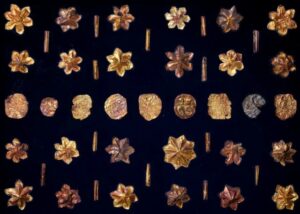
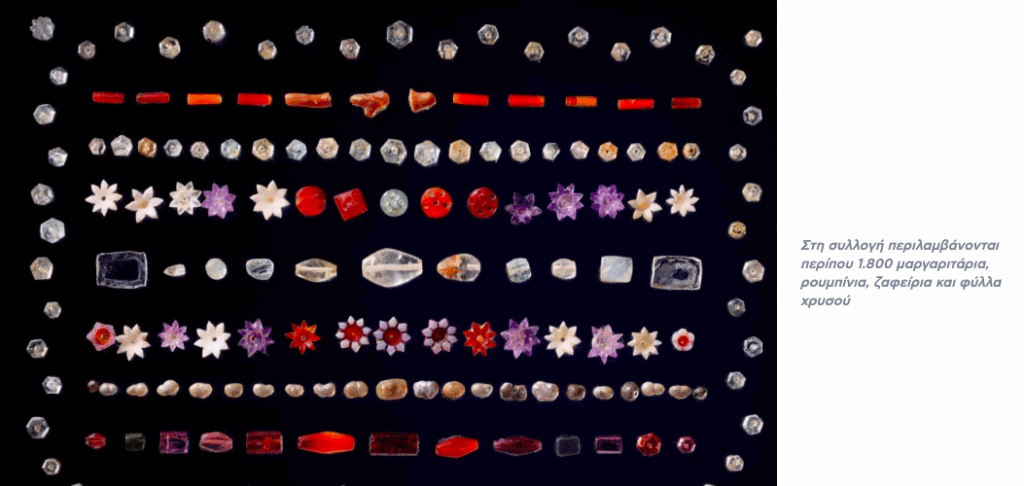
The collection includes approximately 1,800 pearls, rubies, sapphires, and gold leaves.
The stones were discovered in 1898 by British archaeologist William Claxton Peppé in northern India, near Buddha’s birthplace. The collection consists of about 1,800 pearls, rubies, sapphires, and gold leaves buried alongside bone relics identified by an inscribed urn as belonging to Buddha himself.
Peppé handed most of the stones, relics, and reliquaries to the colonial Indian government, while the bones were sent to the Buddhist King Rama V of Siam. Another portion of the findings was sent to the Imperial Museum of Calcutta.
For over a century, many of the stones remained largely hidden in the hands of the Peppé family.
The planned auction of Buddha’s relics by Sotheby’s in Hong Kong had sparked widespread ethical concerns, as scholars and Buddhist leaders questioned whether sacred objects—especially those connected to human remains—should be treated as commodities.
Ask me anything
Explore related questions