





Lake Koroneia presents a bleak picture, with the water level having receded dramatically, revealing large areas of dry seabed. The once “lively” lake in the greater Thessaloniki area now looks like a landscape of abandonment, causing concern for its ecological survival.
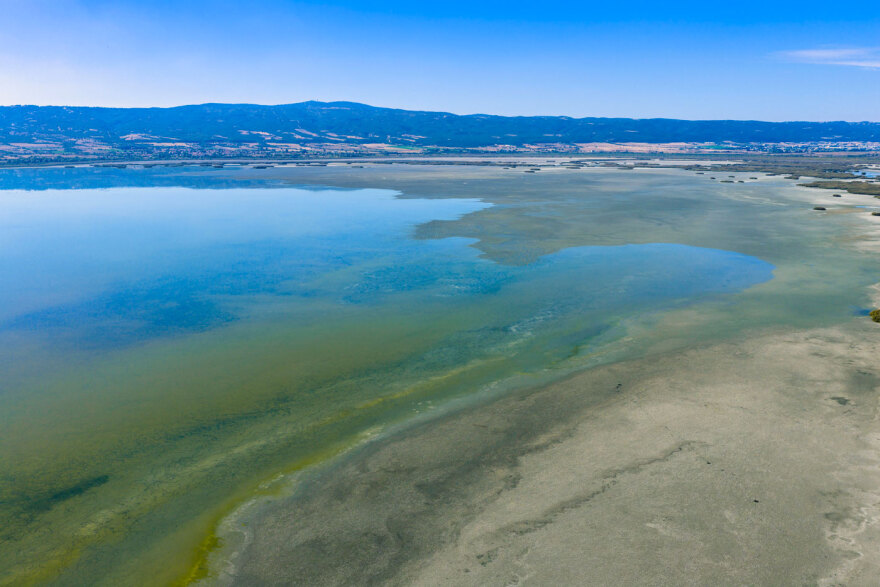
The drying phenomenon is not unprecedented, as it recurs almost every year, especially in the summer months. The lack of rainfall and high temperatures accelerate water depletion, but the causes are not limited to weather.
Despite the fact that Lake Koroneia has been designated a wetland of international importance under the Ramsar Convention and is part of the Natura 2000 network, its environmental degradation continues unabated. Uncontrolled pumping of water for agricultural use, pollution and the absence of a long-term management plan have made the lake a “patient” that struggles to survive every year.
The receding water level has serious consequences for the ecosystem, which is home to rare and endangered bird species. Reed beds are drying up, fauna is declining, and the image of abandoned banks clearly illustrates the failure of restoration efforts so far.
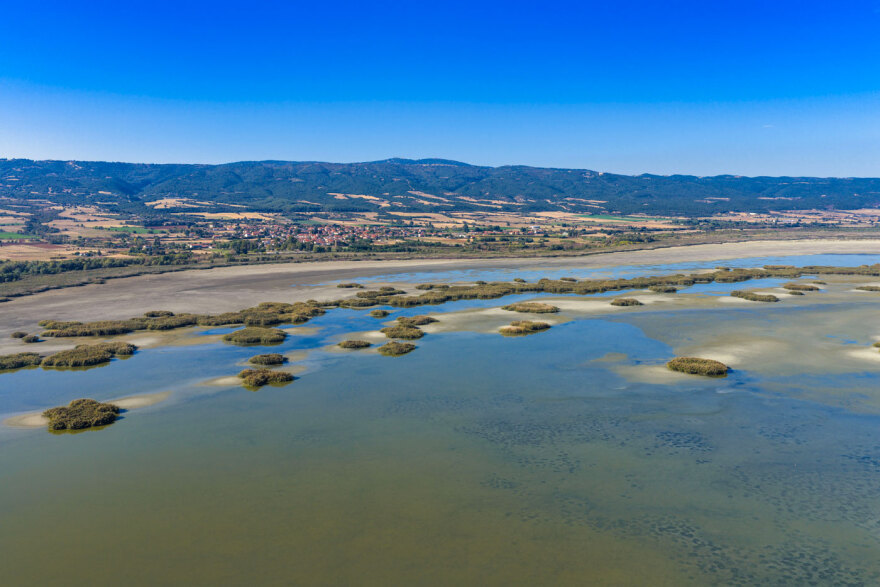
Koroneia continues to be an important resource for the region – it regulates the microclimate, supports agricultural production, and offers potential for mild tourism development. However, without immediate and substantial interventions, the risk of its permanent loss is now visible.
The disappointing picture of the lake is not simply the result of natural changes. It is a reflection of chronic pathologies in natural resource and environmental management
Ask me anything
Explore related questions




