





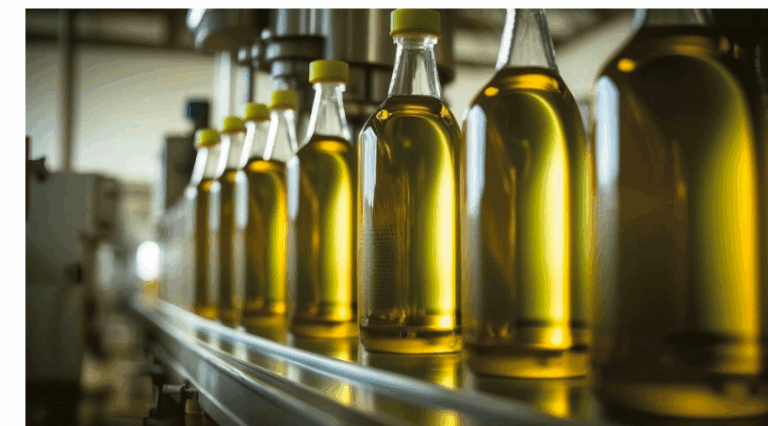
This time of year, all across Greece, fresh olive oil is being produced. Olive growers harvest their fruit, the mills run non-stop, and the air is filled with the scent of green olives.
In villages, homes fill up with containers — big and small, new or old — ready to hold the “oil of the year.”
But like any living product, olive oil requires care. To maintain its aroma, color, and flavor, it needs to be stored correctly, in a way that safeguards what nature and hard work have created.
How to Store Fresh Olive Oil
Fresh olive oil — the kind that has just been pressed — has a strong bitterness, a peppery aftertaste, and the fragrance of the green fruit. It is considered to be in its most “alive” form.
From the moment it leaves the mill, however, it begins to oxidize slowly. What spoils it over time are three main factors:
- Light, which accelerates deterioration
- Heat, which destroys its aromas
- Oxygen, which causes rancidity
Choosing the Right Container
According to the International Olive Council (IOC), to preserve olive oil for a long period, it must be stored in a non-reactive and opaque container — one that does not interact with its contents.
The best materials are:
- Stainless steel (inox): Ideal for large quantities, blocks out light, non-reactive, and preserves flavor.
- Dark glass: Perfect for smaller quantities used daily.
- Ceramic or porcelain: Excellent protection from light and heat, with a traditional look.
In all cases, it’s important to avoid plastic or metal containers made of iron or copper, as they can transfer substances or cause oxidation.
Ask me anything
Explore related questions




