





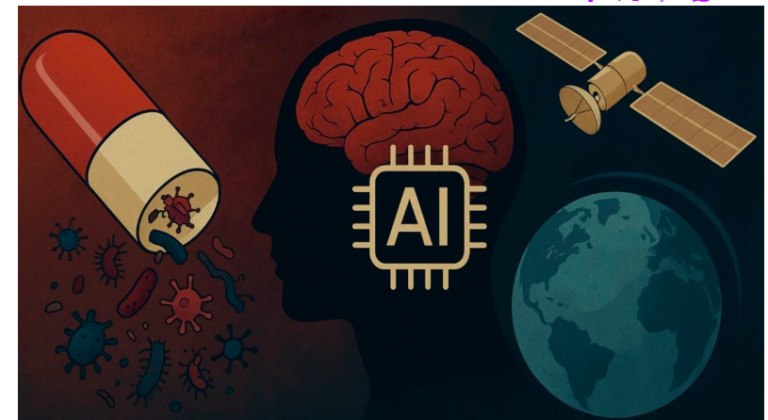
While heatwaves and melting ice dominate the public debate, other, far less visible dangers are quietly growing. According to SciencePost, these are problems that affect not only the environment, but also human health, cognitive ability, and the technology that supports modern life. Researchers stress that the window of action is closing fast.
1. Antibiotic-resistant bacteria: The “silent pandemic” of the coming decades
The first threat is the rise of bacteria that no longer respond to antibiotics. A GRAM Project report published in The Lancet in September 2024 estimates that by 2050, deaths from resistant infections could exceed 39 million worldwide.
Compared to 2022 levels, this represents an increase of roughly 70%. People over the age of 70 are considered the most vulnerable. The overuse of antibiotics after the pandemic drastically accelerated resistance, turning even common infections — such as ear infections and pneumonia — into serious risks.
This problem also jeopardizes major medical procedures like surgeries, chemotherapy, and childbirth, all of which rely on effective antibiotics for patient safety.
2. Dependence on Artificial Intelligence and the gradual “cognitive atrophy”
The second threat arises from the increasing integration of AI into everyday life. Recent studies suggest that constantly delegating mental tasks to AI systems is linked to declining memory, judgment, and planning skills, especially in people aged 17–25.
This phenomenon, known as cognitive offloading — letting machines think for us — reduces our natural problem-solving abilities. At the same time, the explosion of synthetic content (text, images, audio) makes it harder to distinguish real information from misleading or fabricated material, leaving entire societies exposed to manipulation.
3. Fragile satellite infrastructure: A high-orbit crisis in the making
The third and least known threat is the rapid increase of low-Earth-orbit satellites. Massive constellations like Starlink dramatically raise the risk of collisions. A single accident could trigger a chain reaction of debris with consequences that may be irreversible.
The loss of key satellites would immediately disrupt GPS systems, global communications, financial transactions, precision agriculture, and emergency services — essentially every function of modern life. Experts warn of a potential “technological winter” with worldwide effects.
We know the danger — but we still aren’t acting
The common thread among all three threats is delayed response.
- Tackling antibiotic resistance requires investment in new drugs and prevention methods.
- Misuse of AI demands stronger education systems and cognitive-skill training.
- Space risks now require urgent international rules for satellite management.
As Jared Diamond reminds us:
“Societies don’t collapse because they lack intelligence, but because they fail to act.”
Science is sending a clear warning — and the question now is whether we will listen before it’s too late.
Ask me anything
Explore related questions




