Greek ports are no longer merely gateways for trade and shipping. In recent years, they have been transforming into key nodes of a larger geopolitical puzzle, in which Greece is assuming the role of a “bridge” between the United States and Europe. Behind tenders, investments, and infrastructure upgrades, a plan is unfolding that connects energy, defense, and transport security. What exactly is being planned, which ports are at the center, and what moves are taking place away from the public eye make up a picture that is drawing intense attention.
The intention of the United States to utilize critical port infrastructure in Greece is neither fragmented nor temporary. It is part of a broader strategy concerning the stability of the Western supply chain, especially in times of crisis. Energy, military transport, and commercial cargo are treated as components of the same plan.
At the core is Washington’s need to secure reliable corridors to Central and Eastern Europe, particularly after the war in Ukraine. Greece’s geographical position, outside the Straits and close to key sea routes, makes it a natural partner in this effort.
Sources familiar with the process describe an informal “port arc” of American interest stretching from northern Greece down to Crete.
Alexandroupoli:
Already the clearest link in the chain. The port is used for the transfer of military equipment and personnel to NATO countries, while at the same time it is connected to energy projects such as the floating LNG terminal. The city has been upgraded into a dual-use hub: military and energy.
Souda Bay:
The base in Crete remains a key point for the U.S. Navy in the Eastern Mediterranean. The continuous upgrading of its facilities shows that Souda is not merely a base, but a pillar of the American presence in the region.
Kavala:
The port of Kavala is emerging as an alternative northern hub, with an emphasis on cargo handling and support for energy projects. Its location makes it a useful complement to Alexandroupoli.
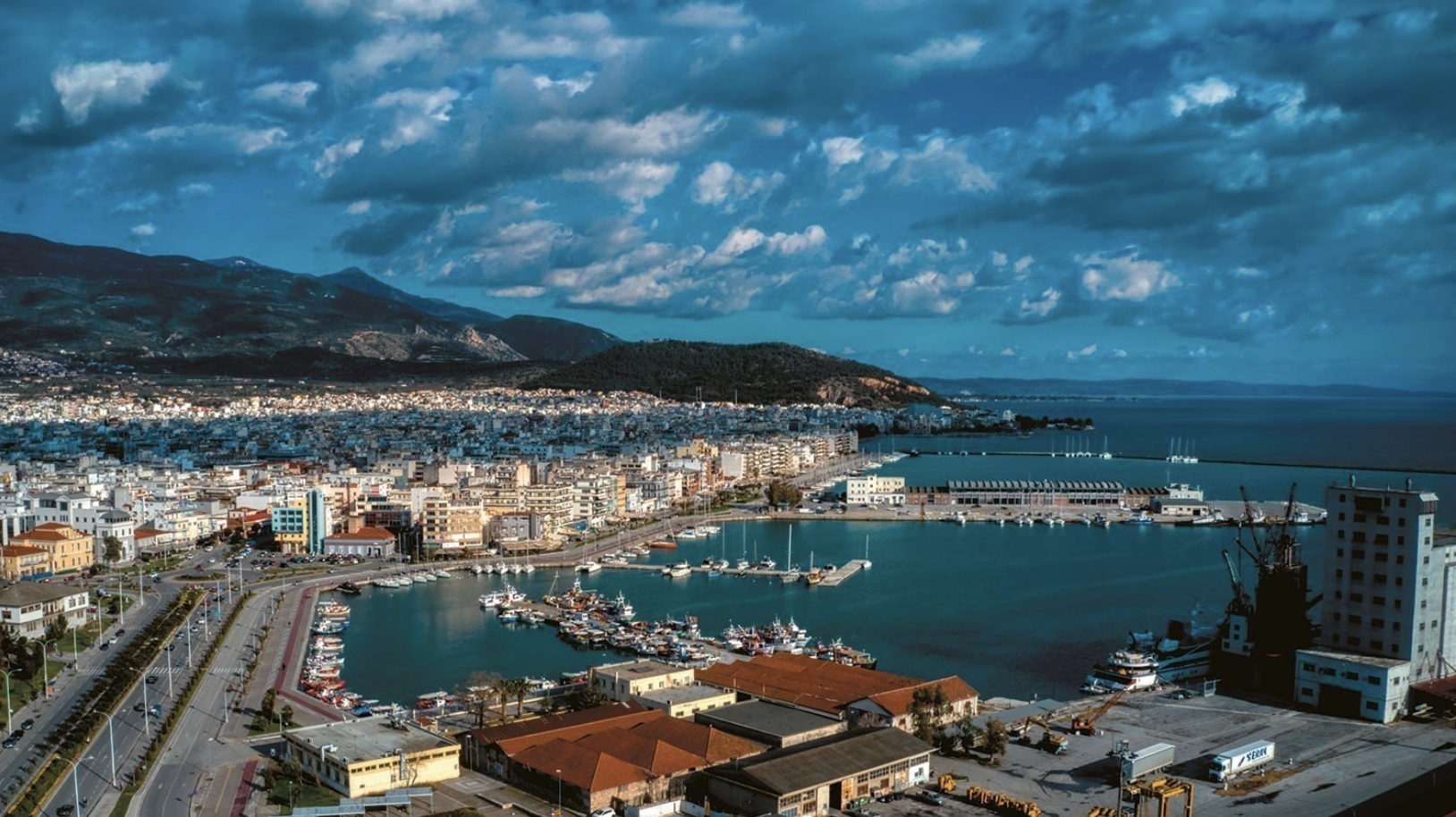
Volos:
Although it remains under public control, it is steadily on Washington’s radar. Its proximity to military installations and scenarios involving energy infrastructure enhance its role as a backup hub.
Elefsina:
This is where the next major step is identified. The planned concession of parts of the port, combined with the upgrading of the shipyards and its proximity to road and rail networks and the Thriasio logistics center, create the conditions for a new transshipment hub—serving as a counterbalance to Piraeus.
The common denominator in all of the above is energy. The transport of U.S. LNG to Europe requires ports with specialized infrastructure, while the military dimension demands security, speed, and flexibility. These two needs converge at the same locations.
Behind the scenes, government sources speak of close coordination between the Ministries of Shipping, Energy, and Defense and U.S. entities. Discussions are not limited to investments but also extend to the institutional framework, so that infrastructure can be used immediately in times of heightened tension.
It is reported that funding for major projects often passes through American or international organizations with a clear geopolitical orientation.
At the same time, Greece is seeking to capitalize on its role: more investments, upgraded infrastructure, and a strengthened international position. The key question, however, is whether this strategy will translate into tangible benefits for local communities.
The utilization of Greek ports by the United States goes beyond the bilateral relationship. It touches on Greece’s very position on the new European and international map. Greece is emerging as a critical hub, but at the same time it is assuming a greater share of responsibility.
The open question is whether this upgrade will be accompanied by a long-term strategy with a national focus, or whether the ports will primarily function as tools of foreign planning.
Ask me anything
Explore related questions