
AI cameras installed in Attica started operating last week on a pilot basis and have already recorded thousands of traffic violations. Eight initial AI cameras will soon be connected to the existing Traffic Police system. These cameras are placed in high-risk locations identified by the police.

In the first four days, the AI camera at the Mesogeion–Chalandri intersection recorded 480 drivers running red lights. Another camera on Vouliagmenis–Tinos recorded 285 such violations. On Syngrou Avenue, about 2,000 violations were recorded, including speeding, not wearing a seatbelt, and using a mobile phone while driving.
The cameras are visible and aim to prevent violations, not just issue fines. The Ministry of Digital Governance is developing a unified electronic system to manage violations transparently and efficiently. Full installation and integration of around 2,500 cameras across the region is expected by 2026.

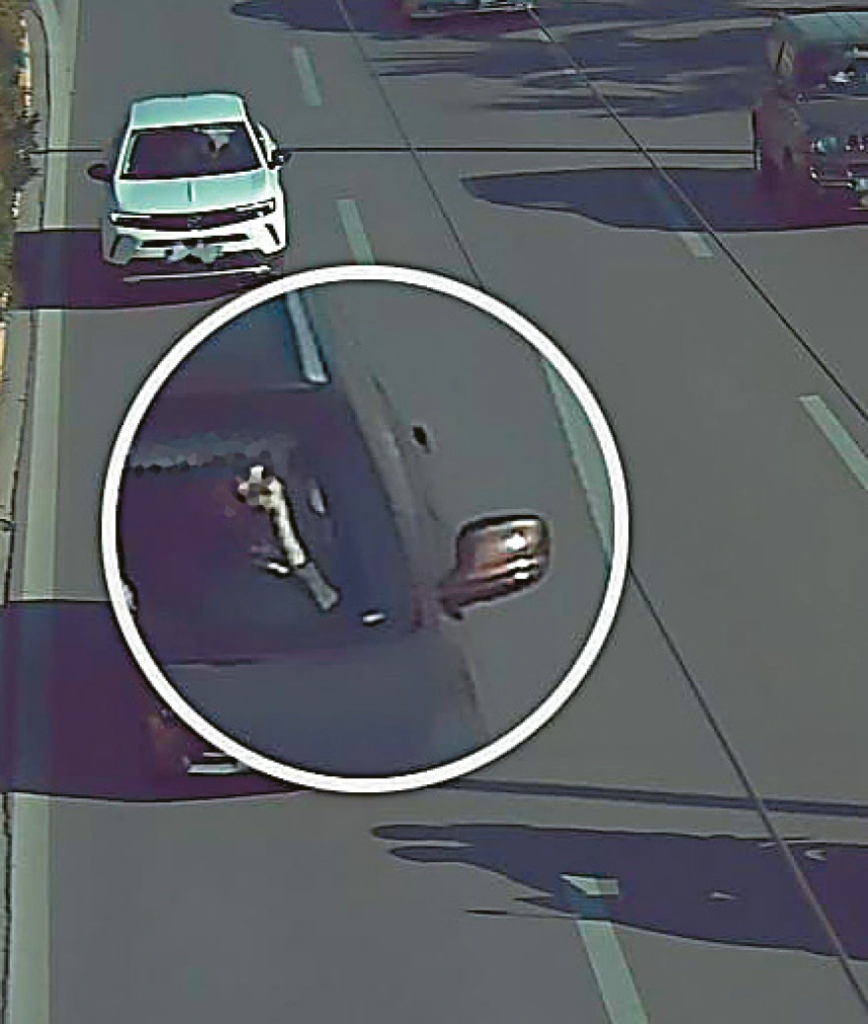
The pilot operation of eight artificial intelligence (AI) traffic cameras in Attica has recorded more than 1,000 violations within four days. According to data from Tuesday to Friday, the camera installed on Syngrou Avenue recorded over 1,000 cases of mobile phone use and failure to wear a seatbelt. In addition, approximately 800 speeding violations were recorded in an area with a speed limit of 90 km/h.

Other serious violations included:
- 480 red-light violations at Mesogeion–Chalandri Avenue
- 285 violations at Vouliagmenis–Tinou Avenue
The pilot installation of the cameras began last week at eight high-risk locations in Attica, following recommendations from the Hellenic Police. These are the first AI-based traffic cameras installed on Attica’s road network. The project is part of the Ministry of Digital Governance’s program and will be connected to the Traffic Police’s existing systems in the coming period.
Locations of the Pilot AI Cameras
The eight pilot cameras, which belong exclusively to the Ministry of Digital Governance, are installed at the following locations:
- City of Athens: Panepistimiou Street and Vasilissis Sofias Avenue
- Municipality of Agia Paraskevi: Mesogeion and Chalandri Avenues
- Municipality of Rafina–Pikermi: Marathonos Avenue and Fleming Street
- Municipality of Kallithea: Syngrou Avenue and Agias Foteinis Street
- Municipality of Vari–Voula–Vouliagmeni: Poseidonos Avenue and Ermou Street
- Municipality of Alimos: Poseidonos Avenue and Alimou Avenue
- Municipality of Elliniko–Argyroupoli: Vouliagmenis Avenue and Tinou Street
- Municipality of Filothei–Psychiko: Kifisias Avenue and Ethnikis Antistaseos Street
Purpose of the System
The cameras record serious violations of the Road Traffic Code, including:
- Speeding
- Running red lights
- Use of mobile phones while driving
- Failure to wear seatbelts or helmets
- Driving in emergency lanes
Increased monitoring aims to prevent traffic accidents and raise public awareness about road safety.
Statement by the Minister of Digital Governance
The Minister of Digital Governance, Dimitris Papastergiou, stated that the reform focuses on moving from statements to practical action, intending to reduce traffic accidents and save lives. He emphasized that the cameras are clearly visible, operate under clear rules, and are intended to deter violations rather than punish drivers.
He also explained that this pilot phase is linked to the next step of the reform: the creation of a Unified Electronic System for Recording and Managing Traffic Violations. This system will digitally consolidate and manage violations quickly and transparently, reducing delays and fragmentation.
Unified Electronic System for Traffic Violations
The new system will:
- Collect data from cameras and mobile devices
- Store images, video, and time metadata
- Transmit data in encrypted form to protect personal information
Drivers will be informed of violations through their digital mailbox on gov.gr or via electronic notifications and will be able to submit objections online.
Expansion of the Camera Network
The total number of cameras nationwide will reach 2,500:
- 2,000 at fixed high-risk locations
- 500 on public transport buses to monitor bus lanes
In addition, the Region of Attica will install 388 more cameras, which will be integrated into the unified system, along with existing cameras on the Attiki Odos motorway.
AI-based license plate recognition technology will allow faster identification and categorization of violations. In some cases, digital suspension of driving licenses will be applied immediately after violations are recorded.
Expected Benefits
The system aims to:
- Improve transparency and efficiency in issuing fines
- Reduce bureaucracy for citizens
- Allow drivers to track their fines in real time
- Reduce the administrative burden on police authorities
- Improve collection rates of fines, which are currently below 10% in the first year
The system will also provide anonymized open data to researchers, public bodies, and local authorities to support road safety policy planning. Educational campaigns and awareness initiatives are planned to promote a stronger road safety culture.
Ask me anything
Explore related questions