





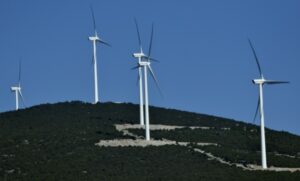
A surplus of 3-4 gigawatts of power generation occurred over the Easter holidays, due to increased production from renewable energy sources and reduced daytime demand. This imbalance creates significant problems in the grid which were however addressed through the coordination of the relevant stakeholders and manipulations (cut-offs of Renewable Energy Sources units, exports, activation of pumping) that prevented the possibility of power cuts.
These moves were decided at the meeting under the Minister of Environment and Energy, Stavros Papastavrou and the Deputy Minister, Nikos Tsafos who met with ADMIE, DEDDIE and the Regulatory Authority, held on Good Wednesday.
In particular:
-The ADMIE proceeded to cut off the production of renewable energy plants connected to the high voltage, exports and activation of the pumping units of hydroelectric power plants in the system.
-For DEDDEOthe critical parameter was the development of the ability to telecontrol the RES plants connected to its network, which was not available last year. By way of illustration, at Easter 2025, the TSO had the ability to telecontrol only 1,638 RES plants with a total capacity of 2,286 MW, while for more than 5,600 generators with a total capacity of about 3.5 GW, the implementation of the restrictions depended on their response to messages (SMS, emails) from the Operator. By Easter 2026, despite the fact that about 550 MW of additional RES were added and the total installed capacity had risen to 9,000 MW, the TSO can now centrally control 6,200 plants with a total capacity of 5.4 GW.
-At the same time, it was observed that many renewable energy producers, represented in the energy markets by the Accumulative Representation Entities (ACEs), went on to voluntarily stop injecting energy for certain hours from their parks, due to the negative or zero energy prices that existed during these periods in the pre-day market of the Energy Exchange.
Finally, these days, for the first time, two electricity storage stations (batteries) of small – relative to the size of the market – capacity were successfully operated for the first time, which nevertheless also contributed to solving the problem.
According to sources at SYPEN:
“With the creation of two new Control Centres, in just one year, the PPC has moved from an environment of limited tele-management and piecemeal intervention to a regime of extensive remote monitoring, direct tele-management and the implementation of targeted, real-time proportional cuts
In addition to the technological and operational maturation of the control infrastructure of the BPA, a broader competitive environment in the operation of the market is now being shaped through institutional interventions, which contributes to limiting the need for operators to make cuts.
This transition, combined with the maturing of the market and the shielding of the institutional framework that enhances competition, ensures the uninterrupted operation of the electricity system for the benefit of Greek consumers.”
Ask me anything
Explore related questions




