





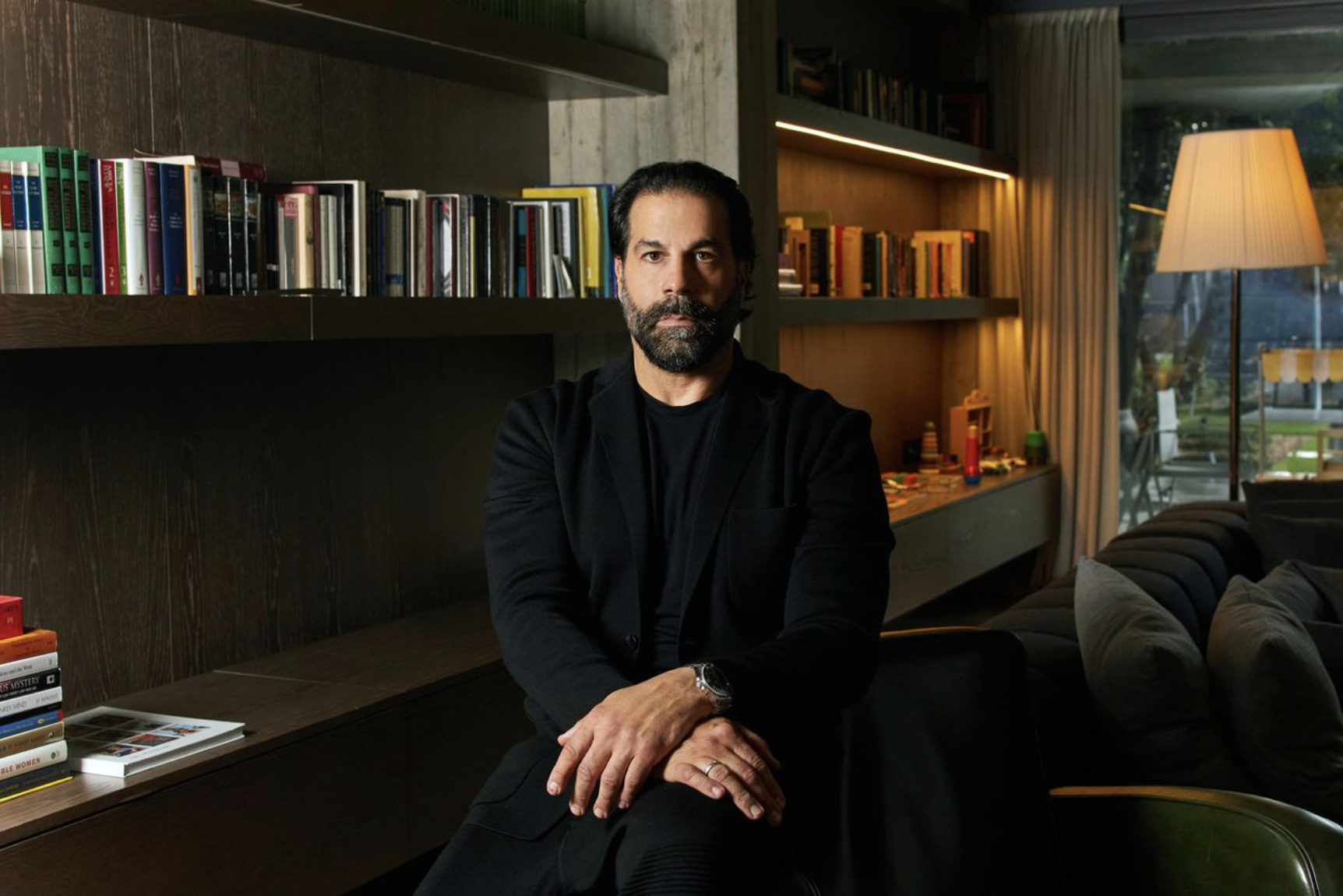
In an era where global careers often move in one direction, Michael Mailis chose to come back. Born and raised in the United States, with a career that took him from real estate development to the inner circles of the international film industry, Mailis has now returned to Greece — not as a retreat, but as a conscious next step.
Speaking exclusively to Proto Thema, he reflects on identity, the realities behind filmmaking, and the quiet shift from producing stories on screen to shaping spaces in the real world. From early investments linked to major Hollywood productions to his current work in high-end development through Magna Graecia, his journey is less about reinvention and more about continuity — a return to values that were always there.
We begin with what ultimately brought him back to Greece at this stage of his life.
*You’ve spent many years abroad before returning to Greece. What motivated you and your family to come back at this stage of your life?*
I was born and raised in the United States — born in Queens, New York, and brought up on Long Island. Later, I was fortunate to study in Boston, where I focused on Philosophy and Political Science. Although most of my formative years were spent in America, Greece was never far from my life or identity. I lived here briefly as a child, attending ACS, and again as a young adult when I spent several years working in our family business in Athens.
Being Greek was never just a background detail for me — it was central to how I understood myself. Through both my Christian upbringing and the strong cultural foundation my parents gave us, Hellenism was something deeply rooted in our home. It shaped how I saw family, community, and responsibility.
When my wife and I began thinking about where we wanted to raise our children, those early influences became even more meaningful. Returning to Greece felt less like a change of direction and more like coming full circle. For us, Greece offers a rare balance — a place where history, faith, family, and everyday life are still closely connected. We wanted our children to grow up in an environment where those values are not abstract ideas, but something they live and feel every day.
Coming back at this stage of life wasn’t about stepping away from the world we knew — it was about choosing the environment that felt most aligned with who we are and how we want to live as a family.
We turned next to the practical side of that decision — and the biggest adjustment of returning to Greece after many years abroad.
*What was the biggest adjustment when you returned to Greece after so many years away?*
The biggest adjustment was the cultural shift — not just for me, but for our whole family. Even though Greece was always part of my identity, living here day-to-day after many years abroad is a different experience than visiting or remembering it through nostalgia.
Coming from an entrepreneurial environment in the United States, where systems tend to be structured and efficiency is almost a cultural value, the Greek way of doing things can feel unpredictable at first. There’s a certain improvisational quality to daily life here — things don’t always move in straight lines. Initially, that can be disorienting.
Over time, though, I began to see that this rhythm has its own internal logic. It’s more human, more fluid, and in some ways closer to how life actually unfolds — not always linear, not always perfectly organized, but deeply relational. You learn patience, adaptability, and the importance of personal connection.
At the same time, I carry a sense of optimism about what Greece can become. We come from a civilization that placed enormous value on beauty, thought, and civic life. I believe that spirit is still here. Greeks are incredibly intelligent, creative, and capable people. When that natural warmth is combined with a bit more structure and long-term vision, the potential is extraordinary. That balance between heart and clarity is, I think, part of Greece’s next chapter.
*Take us back to the beginning—how did you first enter the film industry, and what drew you to producing in particular?*
Before entering the film world, I had been active in real estate development in South Florida. That chapter of my life gave me valuable experience and, fortunately, the financial ability to take meaningful risks. After the 2008 financial crisis, I found myself at a crossroads. I had long carried a deep desire to be involved in storytelling, and I decided it was time to pursue that dream seriously.
My entry into the film industry began on the financing side. I became an early private investor in Legendary Pictures, alongside major financial institutions. That venture went on to be associated with films such as 300, The Dark Knight, and The Hangover. It was my first real step into the industry, and it opened the door to a world I had long admired from afar.
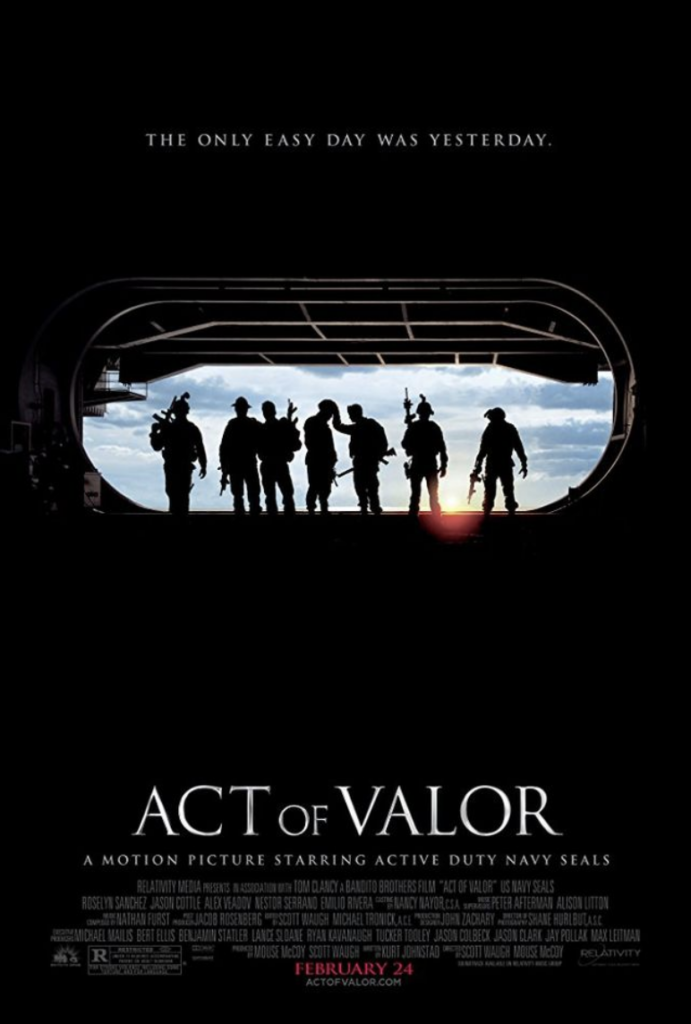
From there, I began exploring a wider range of projects — from technology ventures connected to entertainment, to smaller production companies such as Bandito Brothers, known for the film Act of Valor. Over time, my focus expanded beyond large-scale studio films to more independent and arthouse cinema. I started attending festivals like Sundance, Berlin, and Cannes, where I developed a deeper appreciation for the creative side of filmmaking.
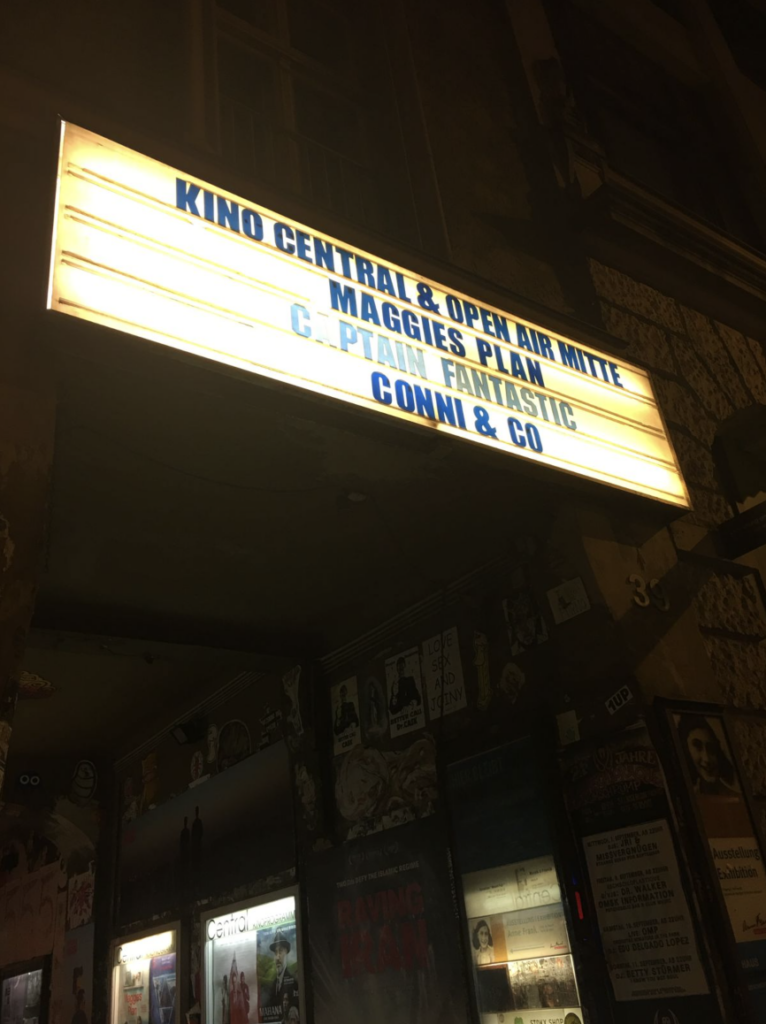
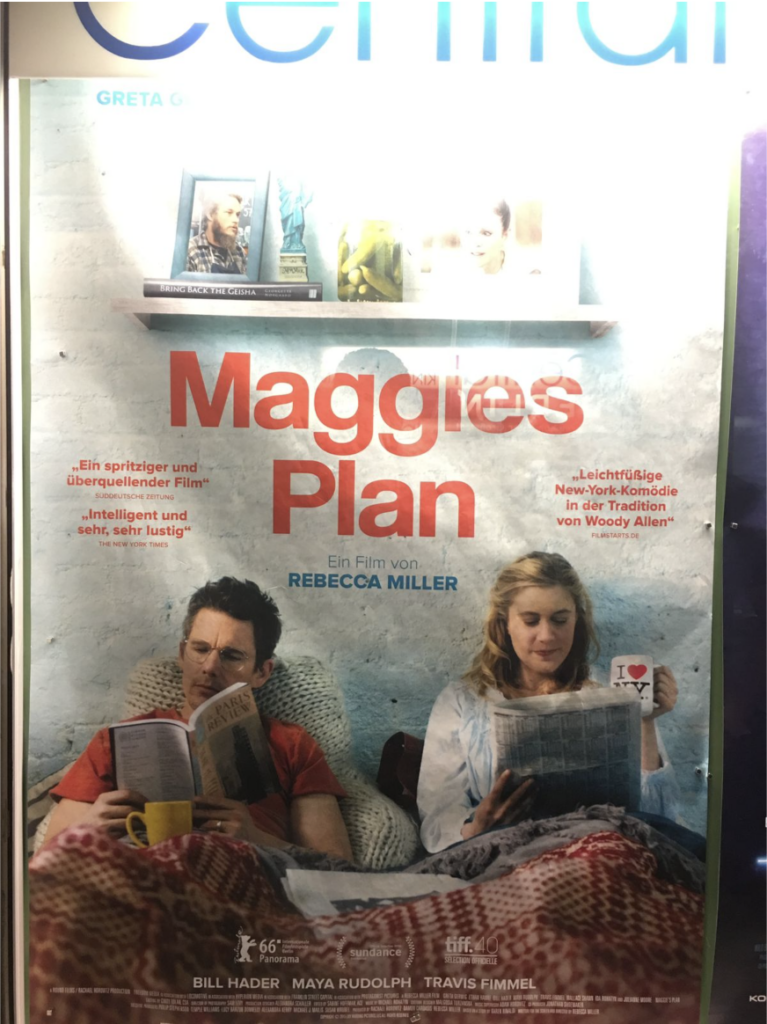
I was fortunate to be involved in projects like God’s Pocket, which premiered at Sundance and brought together remarkable talents such as Philip Seymour Hoffman and John Turturro. I also had the privilege of being connected to distinctive films like the documentary It Might Get Loud, featuring Jimmy Page, The Edge, and Jack White, as well as Maggie’s Plan with Greta Gerwig and Ethan Hawke.
What drew me most to producing was the human element. A producer sits at the crossroads of vision and reality, bringing together artists, financiers, technicians, and partners who might not otherwise meet. I’ve always believed that storytelling is central to the human experience — it’s how we make sense of ourselves and each other. Producing allowed me to contribute to that process, not as the loudest voice in the room, but as someone helping create the conditions for meaningful stories to be told.
That philosophy shaped not only how he approached producing, but also how he defines success in an industry often obsessed with “breakthrough moments.” When asked to identify the project that truly opened doors for him, his answer resists the idea of a single turning point
*Which film would you describe as your big break, the project that truly opened doors for you in the industry?*
I don’t think of my path in terms of a single “big break” film. For me, the real turning point was the decision — guided largely by intuition — to make a significant early investment in Legendary. That step helped define both my company and my identity within the film business. It positioned me not just as someone interested in cinema, but as someone willing to believe in ambitious visions at a formative stage.
That said, there are certain films that felt especially meaningful on a personal level. It Might Get Loud was one of those. It reflected the kind of projects I was drawn to — films with artistic integrity, cultural depth, and a respect for craft. Being associated with work like that helped shape how I saw myself in the industry: not simply as a financier, but as someone who wanted to support filmmakers with strong voices and elevated creative aspirations.
From the outside, the film industry can look glamorous or straightforward. Once inside, you realize it is one of the most challenging and unpredictable businesses in the world. Every film is a complex, fragile undertaking involving hundreds of people, shifting circumstances, and constant uncertainty. In that sense, the completion of any film — regardless of budget or scale — feels like a small miracle. Being part of that process, even in a supporting role, is something I’ve never taken for granted.
*Are there any films you produced that were especially challenging but ultimately rewarding?*
Every film comes with its own set of challenges — that’s simply the nature of this business. Some are logistical, some financial, and many are human. Filmmaking brings together highly driven, passionate people, and that intensity can be both the industry’s greatest strength and its greatest difficulty.
One of the recurring challenges I’ve observed over the years is managing strong personalities. Film attracts individuals with big visions and deep personal investment in the work, which is often what makes great art possible. At the same time, when communication breaks down or perspectives harden, collaboration can suffer. And film, more than almost any other medium, depends entirely on collaboration.
Those moments can be exhausting, and there are times when the process feels heavier than it needs to be. But then you sit in a premiere, watching an audience respond — laugh, reflect, feel something — and you remember why everyone came together in the first place. Even the difficult journeys can lead to meaningful destinations. Over time, I’ve come to see those challenges as part of the education of producing: learning how to protect the creative spirit of a project while helping people navigate the human side of making it.
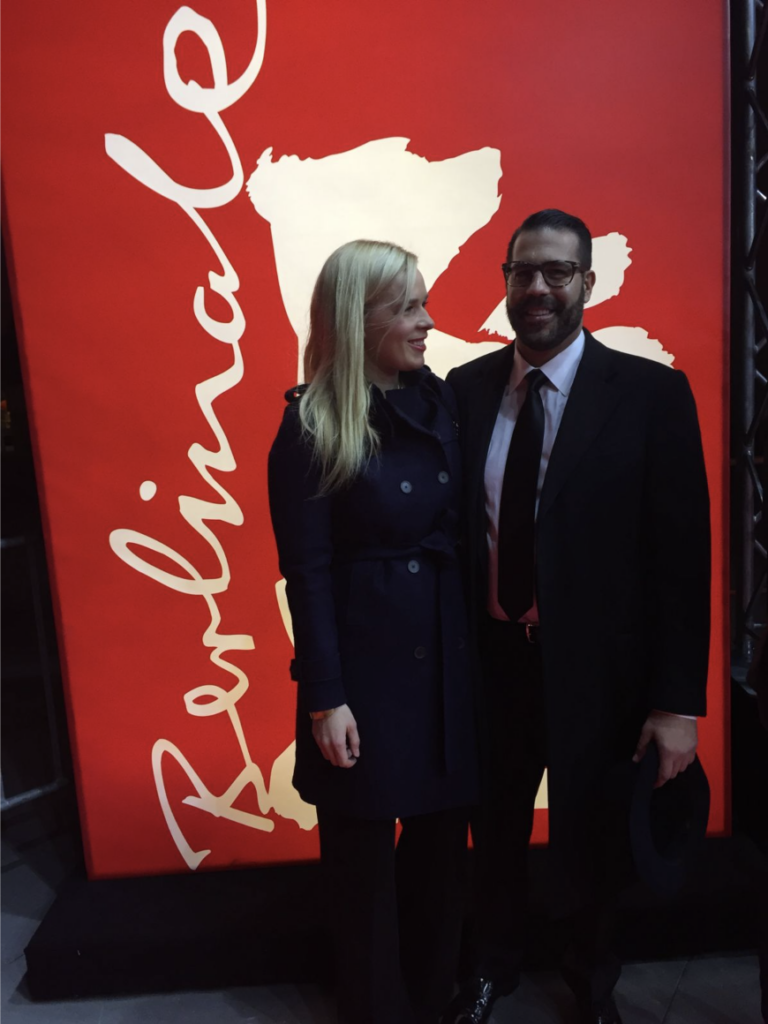
*What does your professional life look like today, now that you’re based in Greece?*
My professional life has come full circle in many ways. Before film, my background was in real estate development, and today I find myself once again working in that world — this time in Greece, through my company Magna Graecia.
Becoming a father of three has naturally shifted my perspective and priorities. I’m drawn to building things that are tangible and lasting — quite literally working again with bricks and mortar. Greece, especially at this moment, presents meaningful opportunities in thoughtful, high-quality development, and I find real satisfaction in contributing to that landscape.
Film will always be an important chapter of my life and a world I deeply respect, but this phase is about applying everything I’ve learned — about people, vision, risk, and long-term thinking — to a different kind of creation. In many ways, development and producing are not so different. Both begin with an idea, require collaboration, and end with something that shapes how people live, gather, and experience the world around them.
*Are you currently developing or producing projects connected to Greece or Greek stories?*
I’m still very much connected to the film world, even if my day-to-day focus has shifted in recent years. I have close friends and collaborators in Greece who are actively writing, directing, and working internationally, and I value staying in dialogue with people who are immersed in the creative process. Hearing about their journeys — both here and abroad — keeps me inspired and engaged.
On a personal level, I’m currently developing a graphic novel that I hope to share with the world in 2026. Storytelling, in one form or another, has never really left me. It’s something I feel deeply connected to, and I do hope to be involved again in meaningful film projects in the future when the right stories and collaborations come along.
I strongly believe Greece has the potential to become an important hub in global filmmaking — not only as a breathtaking place to shoot, but as a country with deeply talented artists, crews, and storytellers. There is a richness of perspective here that the world is always ready to discover. If I can play even a small role in helping bring Greek voices and stories to a wider audience, that would be something very meaningful to me.
That philosophy of storytelling, however, extends beyond cinema and into the next phase of his career.
My professional life has come full circle in many ways. Before film, my background was in real estate development, and today I find myself once again working in that world — this time in Greece, through my company Magna Graecia.
We focus on developing high-end real estate properties in central Athens and across the Cycladic islands, creating projects that are deeply connected to their surroundings, history, and natural light. In many ways, I see this work as a continuation of my life in film, just expressed through a different medium.
Cinema taught me how powerful storytelling can be in shaping the way people experience the world. I now try to bring that same sensibility into development — thinking of each project as a form of architectural storytelling. Every space has a narrative: how light enters, how people move, how materials feel, how a home frames daily life. That creative perspective, combined with the discipline and collaboration I learned in film, has given this chapter of my career a strong sense of purpose.
Becoming a father of three has also shifted my priorities. I’m drawn to building things that are tangible and lasting. Greece, especially at this moment, presents meaningful opportunities in thoughtful, high-quality development, and I find real satisfaction in contributing to that landscape.
Ask me anything
Explore related questions




