





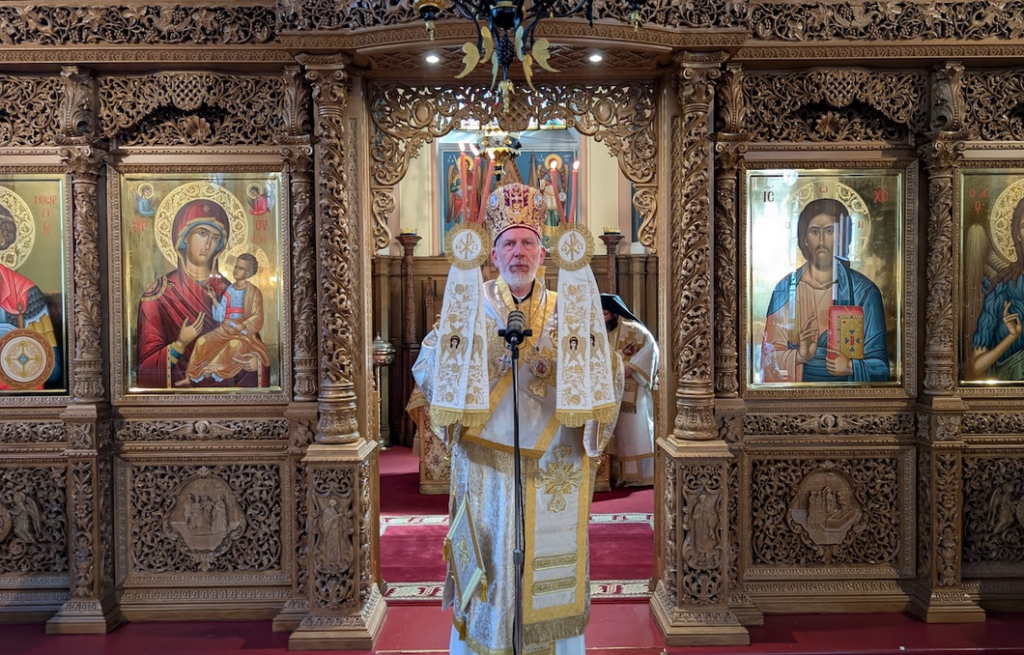
Dearly Beloved Brothers and Sisters in Christ,
Today we commemorate Pentecost, the day on which the Holy Spirit descended “like the rush of a mighty wind” and rested on the heads of the Apostles in tongues of fire (Acts 2).
In the Old Testament Pentecost marked the giving of the Law; in the New Covenant it is the gift of the new law written on our hearts. The Orthodox Church understands this feast as the “final fulfilment of the mission of Jesus Christ” and the beginning of the Messianic age of the Kingdom present in the Church.
The Spirit that Christ had promised came upon the disciples and clothed them “with power from on high”, authorising them to begin their mission to the ends of the earth. This first Christian Pentecost is not just a historic memory; it is the continual outpouring of the Spirit which enlivens us today, constitutes the Church and compels us toward the double task of mission and catechesis.
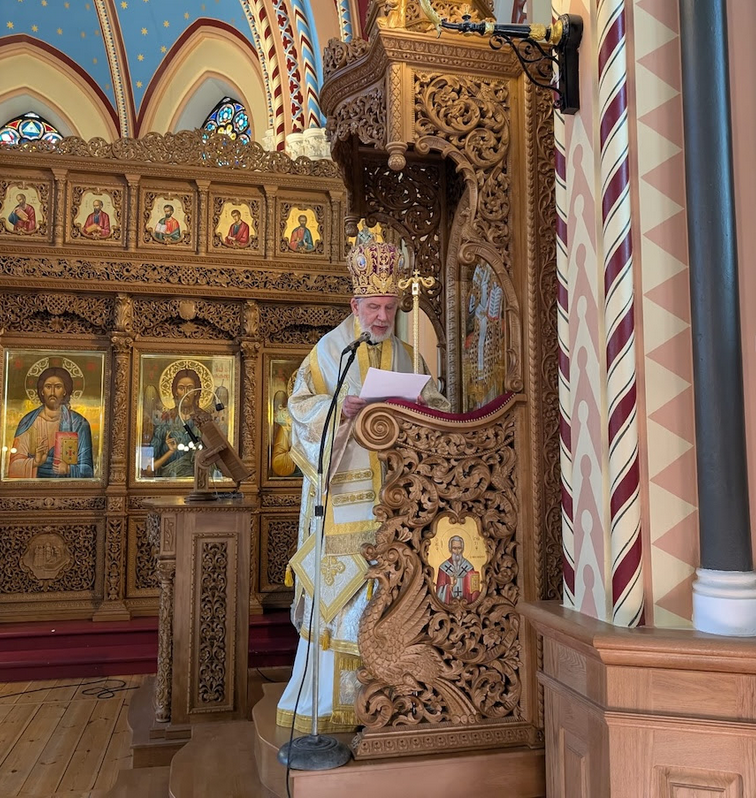
The Feast of Pentecost “marks the beginning of the mission of the Church to the world”. The Acts of the Apostles recount how Peter’s sermon cut his listeners “to the heart”; they asked “What shall we do?” and he answered: “Repent and be baptized… and you shall receive the gift of the Holy Spirit”.
Immediately afterwards, the newly illumined Christians devoted themselves “to the apostles’ teaching and fellowship, to the breaking of bread and the prayers”. Here we see the basic pattern of mission and catechesis; proclamation of the Gospel, conversion and baptism, followed by instruction and integration into the life of the Church.
Christian mission is not merely a human strategy but “the overflowing of the love of the Father, the Son and the Holy Spirit into all creation”. The role of the Church, filled with the Spirit at Pentecost, is to discern this divine mission and to collaborate with what God is already doing.
The early Christians took seriously the Lord’s command to go into all the world; they did not confine themselves to Judea, but carried the Gospel throughout the Roman Empire.
Pentecost, therefore, is both the empowerment and the commissioning of the Church; the Spirit consecrates us and mobilizes us for mission.
Mission, however, is more than preaching; it is making disciples. The Orthodox Church has always insisted on the catechesis—a period of instruction and formation—because conversion is a transformation of the whole person.
The Church’s mission to “make disciples of all nations” (Mt 28:19) means more than obtaining quick decisions; true discipleship requires a reshaping of how we live, think and worship. The first 3,000 baptized at Pentecost were Jews already grounded in Scripture; they could be baptized immediately because they lived within the covenant.
When the Gospel reached pagans, however, the Church recognized that a deeper process was needed. Becoming a Christian required a radical departure from idolatry and deeply ingrained cultural practices; catechesis emerged as a formal and essential process for this purpose.
Catechesis is not a shallow overview of doctrines; it is a deliberate and immersive process designed to build a foundation for living as a follower of Christ. It involves not only learning theological concepts but embracing the disciplines of prayer, fasting and repentance.
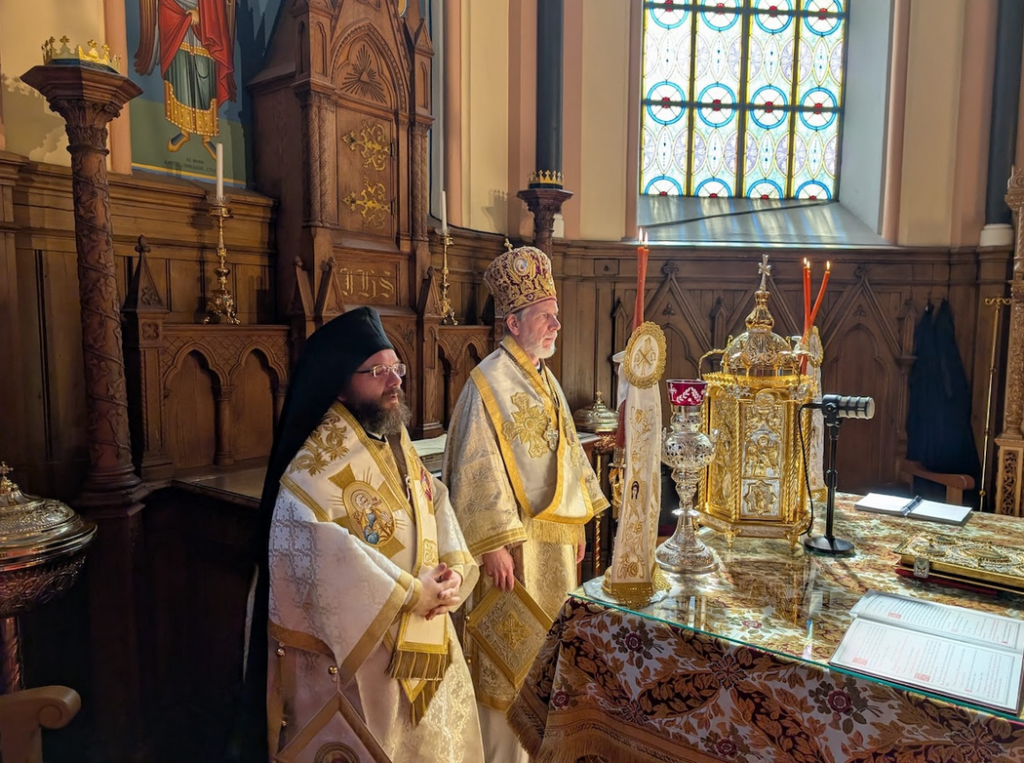
Because the journey to Christ is an act of synergy—human effort cooperating with God’s grace—the Church moves slowly and intentionally, giving people time to form new habits. By doing so, the community ensures that new members do not enter as outsiders who barely understand the faith, but as fully formed brothers and sisters, ready to contribute to the life of the Church.
The Book of Acts summarises the life of the first Christian community as devotion to the apostles’ teaching, the breaking of bread and the prayers. Participation in the Eucharist manifests our communion with God and with one another; prayer extends the kingdom through space and time; discipleship includes personal spiritual growth, ascetic struggle, theological learning and the fulfilment of our baptismal calling to minister to others.
Living this rule is not optional; it is integral to being a missionary Christian. In fact, the mission rule invites every member to choose at least one ministry to witness for Christ, such as singing in the choir, teaching children, or assisting with adult catechism.
Without ongoing instruction, mission would be reduced to superficial recruitment; without mission, catechesis would lack dynamism and purpose. Pentecost shows that the Spirit calls and forms simultaneously; those who heard the apostles preaching were immediately invited into a life of worship and teaching, and the community took responsibility for their growth.
Pentecost is also the feast of communion. St Irenaeus said: “Where the Church is, there is the Spirit of God, and where the Spirit of God is, there is the Church and every grace”. The Holy Spirit’s enduring presence in the Church results in an overwhelming fellowship (koinonia) between God, the members of the Church and the entire creation.
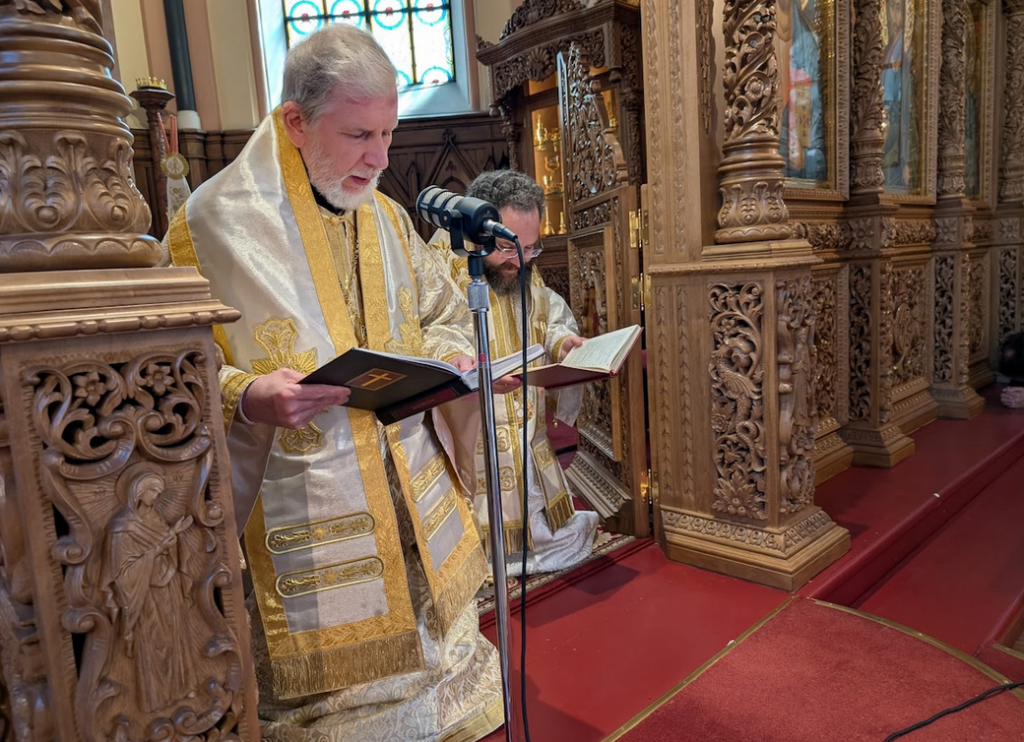
The Kontakion of Orthros/Matins sings that when God divided the tongues of humanity at Babel, He divided nations; when He distributed the tongues of fire, He called all to unity. Mission, therefore, is not primarily a corporate expansion strategy but a call to unity and communion. The Spirit gathers diverse peoples into one body, and catechesis forms them into participants of this communion.
The dynamism of Pentecost challenges us today. We live in a world where information moves quickly. Yet the Church continues to call people into a deliberate process of formation.
The need, not only to baptise but to translate liturgical texts, build schools and prepare catechists, so that those who are newly enlightened may grow in the faith. The mission today still involves families who leave behind comfort to serve in remote lands, as well as those who support them through prayer and instruction.
Mission cannot be separated from catechesis; translation and education are as important as construction and humanitarian aid. Mission thus becomes a way of life—the “liturgy after the Liturgy”—whereby the grace received in worship overflows into our homes, workplaces and society.
Pentecost is the fountainhead of the Church’s mission and catechetical ministry. The outpouring of the Holy Spirit empowers us to proclaim the Gospel and forms us into a community of disciples.
Mission and catechesis are inseparable. As we celebrate the descent of the Spirit, let us recommit ourselves to this double sacred effort. Let us open our hearts to the Spirit’s guidance so that the fire kindled at Pentecost may continue to burn brightly, illuminating our lives and drawing others into the life of the Holy Trinity.
May our parishes become places where mission and catechesis work together—where newcomers are welcomed, instructed and transformed; where the Eucharist is the center; where prayer sustains; and where every believer finds a ministry through which to bear witness to Christ. In doing so we will honour the gift of Pentecost and cooperate with God in the salvation of the world. Amen!
Ask me anything
Explore related questions




