





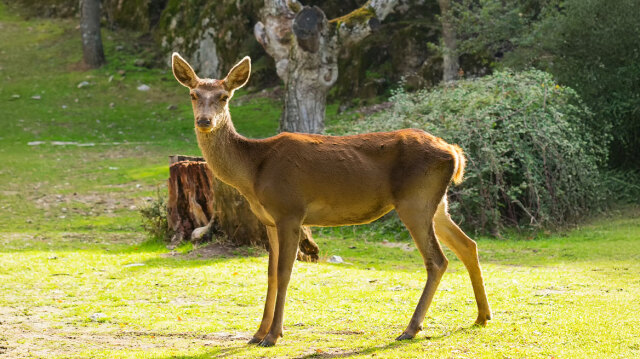
A quiet ecological crisis appears to be unfolding in Parnitha, where the red deer, the emblematic symbol of the mountain and one of the most recognisable species of Greek wildlife, is fighting for survival.
Despite scientific estimates placing the total deer population in the wider Parnitha area between 75 and 234 animals, with the most likely figure around 132, reports from the core of the National Park are causing strong concern. According to the president of the Parnitha Association (SYN.PA), Vasilis Lazaros, who spoke to Protothema.gr and monitors the situation on the mountain, as few as 30 deer may remain in the “heart” of Parnitha.
Images reported by forest rangers from the Mola area, one of the most important zones of the National Park, are discouraging. Areas where herds of deer were seen until a few years ago are now empty. The records have already been submitted to the competent authorities and the Environmental Prosecutor, who is gathering evidence on the case.
Wolves and the displacement of deer
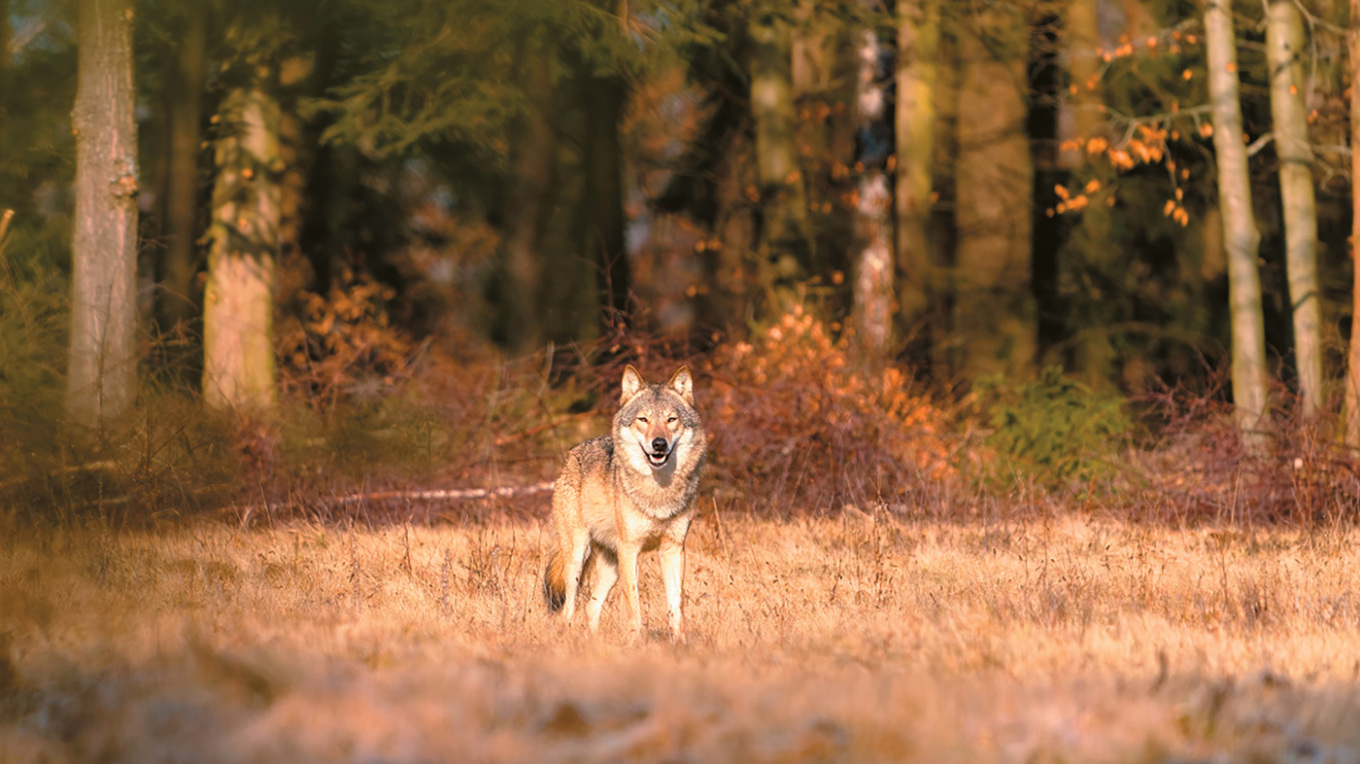
The increased presence of wolves is considered the main reason why deer are abandoning their natural habitat and moving down into urban areas in search of safety.
Regarding the number of wolves in the National Park, estimates suggest around 60 animals, while environmental studies indicate the area’s carrying capacity would correspond to a significantly lower number. On the other hand, Mr. Lazaros believes the actual population may exceed 100 animals, as sightings in residential areas such as Thrakomakedones, Varympompi, Kryoneri and Ippokrateios Politeia are becoming increasingly frequent.
As a result, deer are leaving their natural habitat and seeking refuge near populated areas. The spread of red deer outside the mountain is now evident. Animals have been recorded in Dervenochoria, the Asopos–Tanagra area, and even as far as Thebes, reflecting the major shift occurring in the species’ population.
At the same time, the president of SYN.PA. notes that the plan to remove part of the wolf population was never implemented, due to objections over where the animals could be relocated and whether this would create problems in other areas with livestock activity.

Fear of extinction and inbreeding
The greatest concern among experts is not only the decline in numbers. If the deer population falls below 50 animals, another serious risk emerges: inbreeding.
Scientific reports warn that such a small population could suffer genetic weakening, with serious consequences for reproduction and the long-term survival of the species. In simple terms, even if predators or other external factors are reduced, the population itself may face collapse due to genetic isolation.
Two shelters to save the species
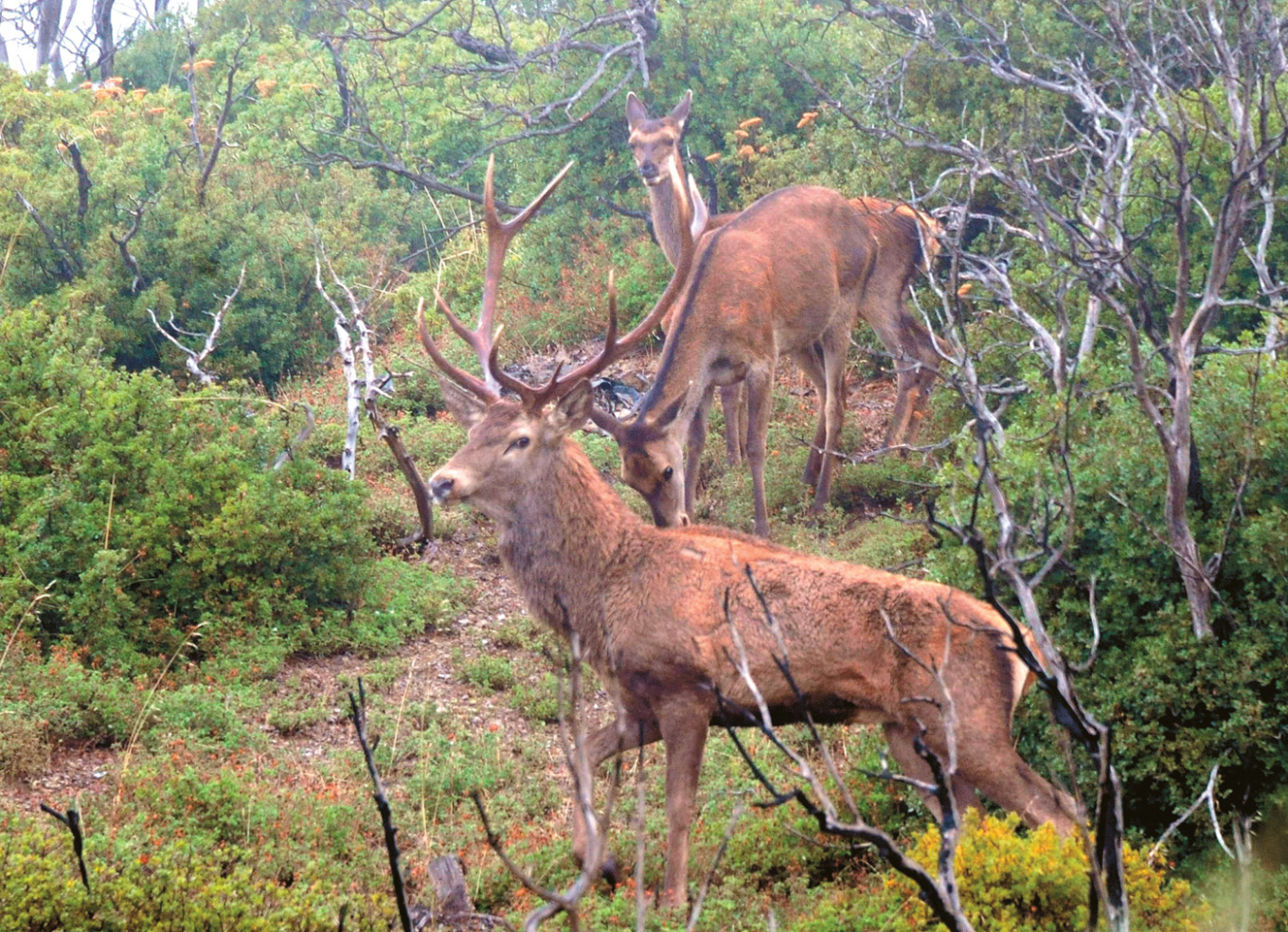
Amid this climate of concern, plans are underway to create two new protected shelters for the red deer in Parnitha.
According to information from protothema.gr, the first will be a large protected area of around 250 stremmata in the mountainous part of Parnitha, where deer will be able to live safely, away from threats. The second, smaller shelter of around 25 stremmata, will be created at the Amygdaleza estate and will serve as a space for care, temporary housing, and environmental education.
The aim is not only to protect the animals but also to raise public awareness, so that younger generations can come into contact with a species that risks disappearing from the mountain with which it has been associated for decades.
“We must not let the symbol of Parnitha be lost”
The mayor of Acharnes, Spyros Vrettos, also raises the alarm, stressing to Protothema.gr that the deer population is declining dramatically and that immediate, coordinated interventions are needed.
As he points out, the Municipality of Acharnes notes: “The deer population is decreasing dramatically and now only a few dozen remain on Mount Parnitha. We do not want this rare mammal species, unique in Greece, to disappear. Through coordinated actions, in close cooperation with the Ministry, OFYPEKA and all competent bodies, we are trying to protect them from all threats. The increased presence of wolves is a significant problem, as they are now found even at the edges of the urban fabric. The efforts of the municipal authority do not stop. Protecting wildlife, respecting nature and the environment are core priorities for us, especially for Parnitha, which remains Attica’s most important ‘lung’. We continue dynamically, always in close cooperation with specialised scientific staff, and I am confident that the result will vindicate us.”
Ask me anything
Explore related questions




