





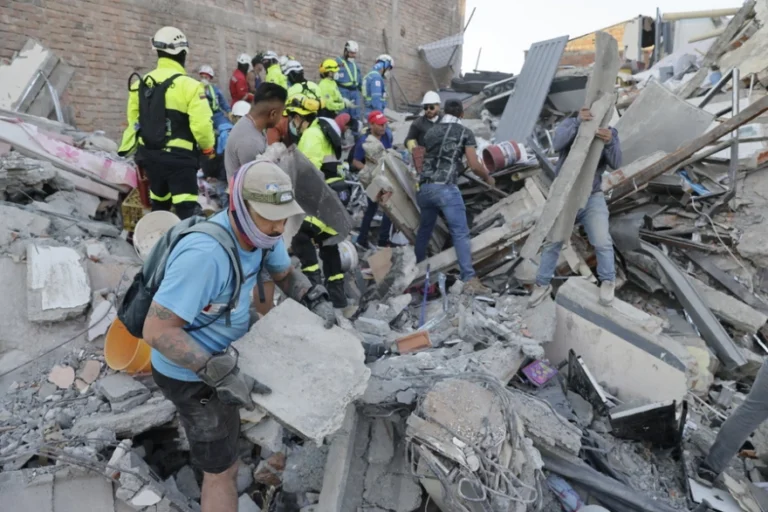
Search and rescue operations are continuing round the clock to locate missing people after a powerful 7.4 magnitude earthquake struck Colombia on the morning of Monday 10 August. According to the latest figures from the Association of Colombian Capital Cities (Asocapitales), the death toll across the affected regions has now risen to at least 181.
In the city of Cali, 95 deaths have been recorded, with 72 in Pereira, nine in Quibdo and five in Manizales, while more than 1,310 people have been injured, according to Colombian newspaper El Espectador.
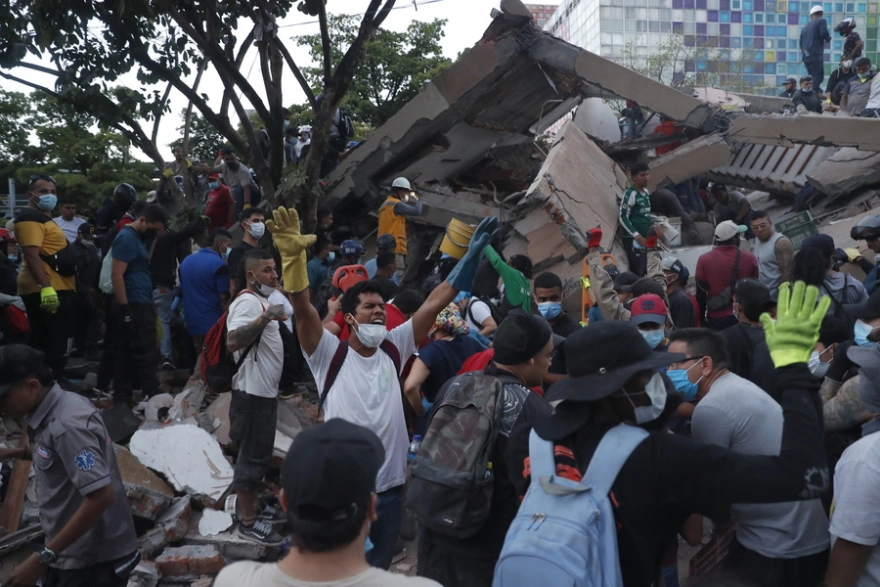
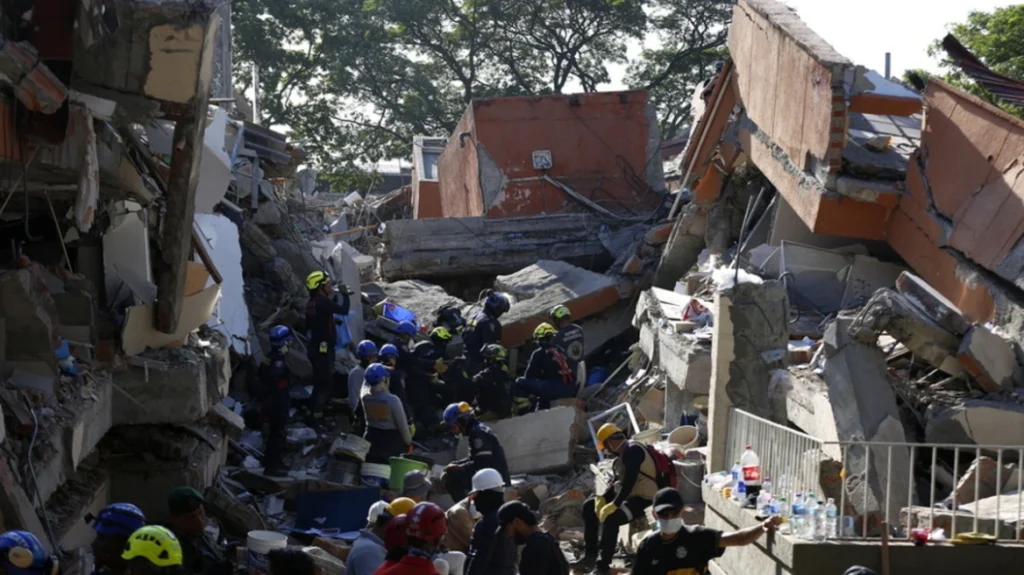
Rescue teams are racing against time to find survivors still trapped in the rubble.
Colombia was confronted with a huge disaster when the powerful tremor struck at 7:34am local time. The epicentre was located near San Jose del Palmar, in the Choco department in western Colombia, at a depth of 103km.
Continuous aftershocks and extensive damage
The tremor was felt across many parts of the country. According to Colombia’s Geological Service (SGC), more than 40 aftershocks have already been recorded. SGC scientists explained that the aftershock sequence could continue for days, weeks or even months, since after an earthquake of this magnitude, energy continues to be released until balance is restored in the areas surrounding the fault zone.
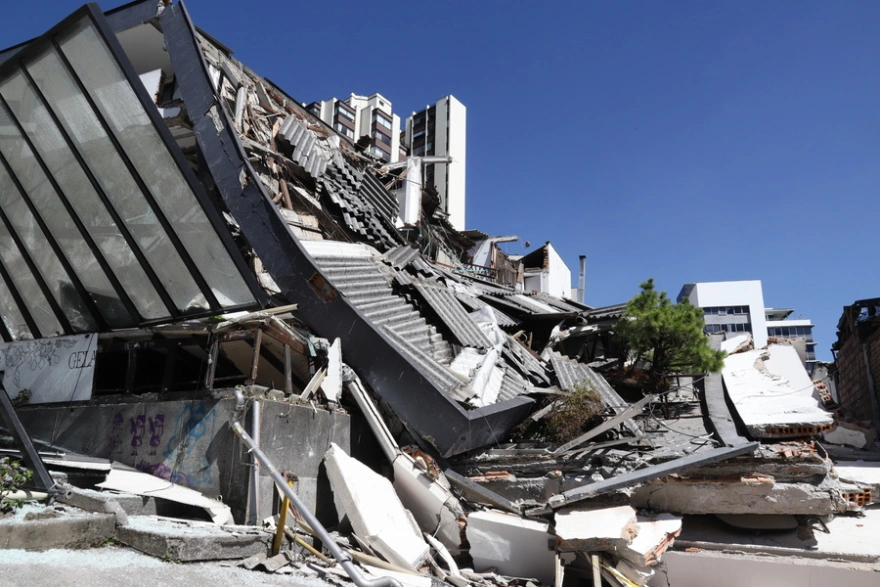
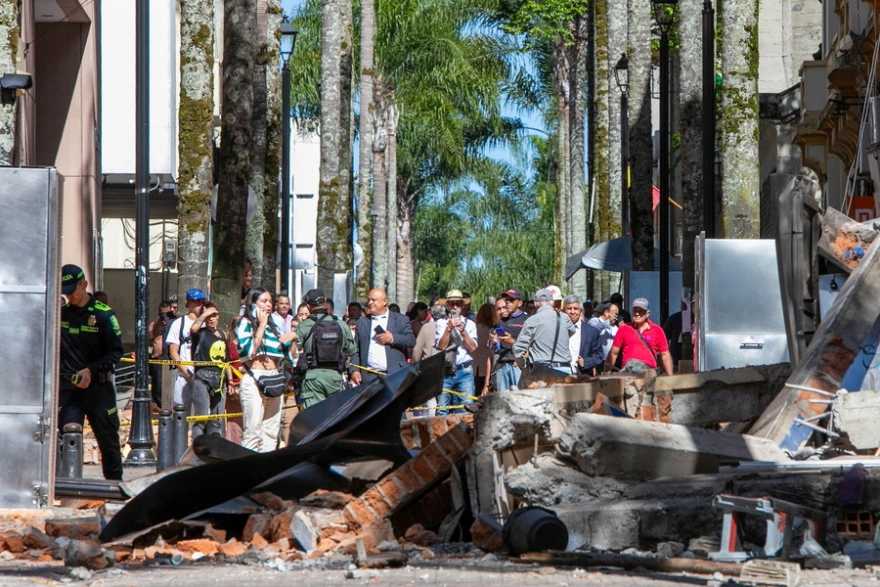
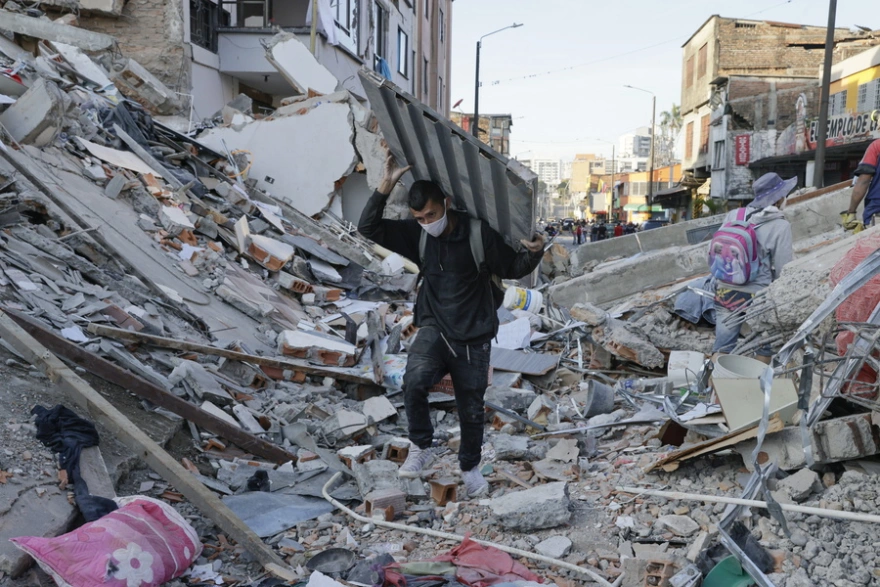
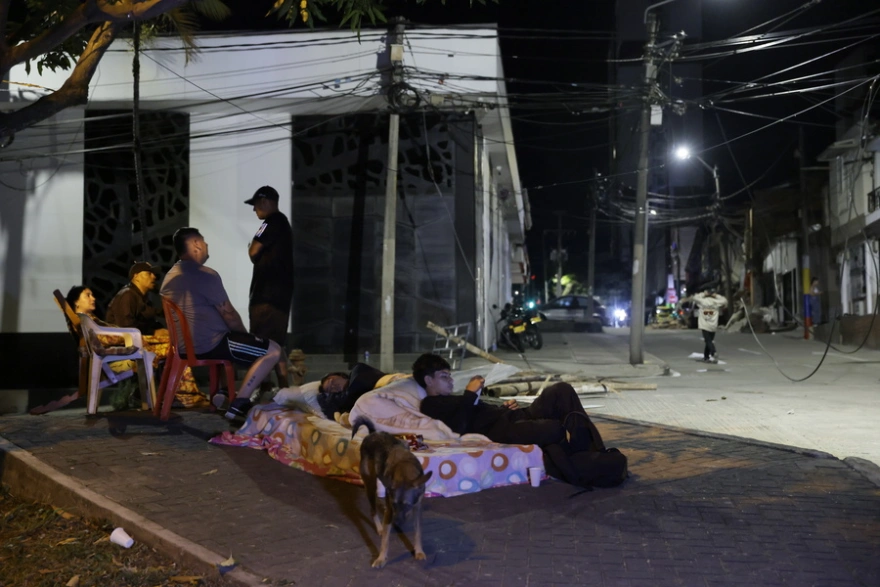
Among the hardest hit cities are Pereira, Cali and Quibdo. Hundreds of buildings have suffered serious damage or collapsed entirely, including homes, schools and hospitals.
Faced with the scale of the tragedy, the national government, led by President Abelardo De La Espriella, has declared a state of national disaster to enable the immediate mobilisation of resources and rescue forces.
Ask me anything
Explore related questions




