





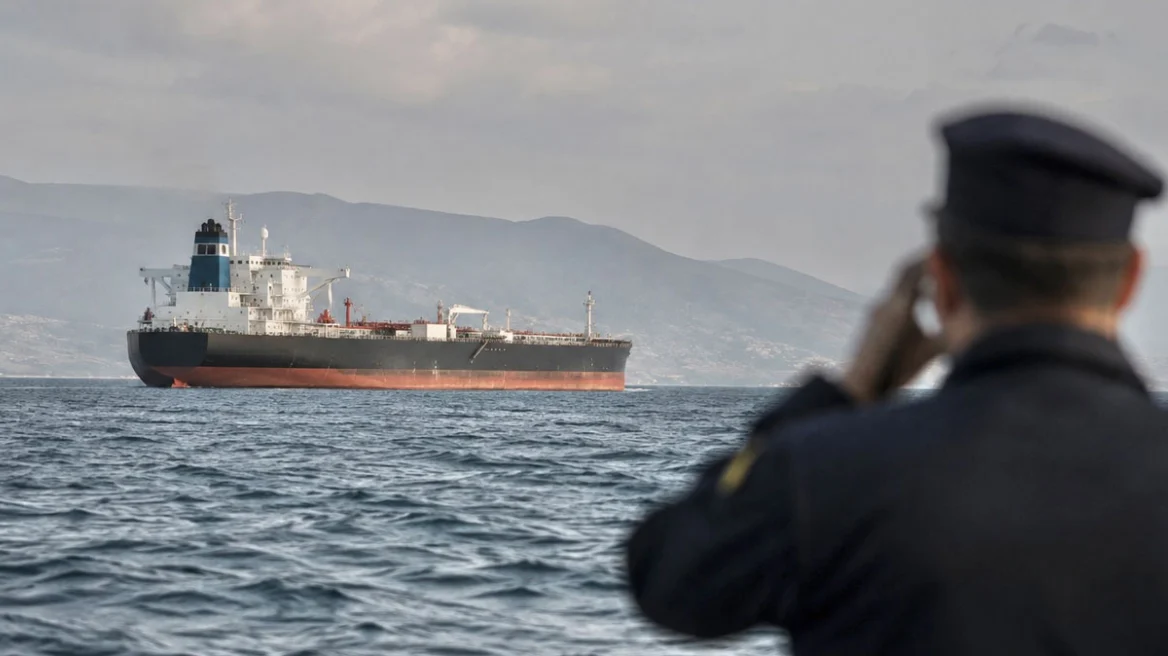
The confrontation between the West and Russia over the so-called shadow fleet is entering a far more dangerous phase, with commercial shipping now at risk of being drawn directly into the line of fire.
Vladimir Putin’s warning that Russia will retaliate by seizing European merchant vessels, should European countries take equivalent action against Russian ships, is not merely an exchange of threats between Moscow and Brussels. It is an attempt by Russia to raise the cost of tighter sanctions enforcement at sea and to deter Europe from moving beyond sanctions lists to the actual detention of vessels. Crucially, Russia did not stop at a political warning.
Admiral Viktor Liina, commander of Russia’s Pacific Fleet, said his forces stood ready to “inspect and detain” foreign vessels, while Putin left open the possibility that Russian retaliation would not be confined to the areas where Western action against Russian ships takes place.
This is the point at which the nature of the problem changes. Until now, the campaign against Russia’s shadow fleet has been waged largely through economic sanctions, port access bans, restrictions on shipping services and tighter inspections. The European Union has already placed hundreds of vessels under its sanctions regime, seeking to limit Moscow’s ability to export oil outside the Western insurance and financing system.
This pressure has a clear objective: revenue from seaborne oil exports remains critical to the Russian economy. The shadow fleet allows Moscow to use ships, corporate structures, flags and insurance cover outside the traditional Western system, limiting the effectiveness of sanctions.
Analysis of how the measures have been implemented shows that European sanctions alone have failed to drastically curb Russian seaborne exports. This explains why the debate has gradually shifted from imposing new sanctions towards enforcing existing measures more strictly.
Why is Moscow reacting now
The timing of Russia’s warning is no coincidence. Europe now faces a far harder next step: banning a tanker from using a European port or accessing certain services is one thing, but physically detaining, seizing or even selling it is quite another. The latter option sharply raises both the legal and geopolitical stakes.
Moscow is therefore attempting to build a deterrent mechanism: under this new Russian logic, every Russian or Russia-linked vessel seized in the West could be answered with the seizure of a Western merchant ship.
That is precisely where the greatest danger to international shipping lies.
If the threat is carried out, the risk is a vicious cycle: the seizure of a Russian vessel, Russian retaliation, a fresh Western response, then even tighter controls and further ship detentions.
In such an environment, the risk would no longer be confined to shadow fleet vessels. It could extend to entirely conventional merchant ships that break no sanctions but whose ownership nationality, flag or commercial ties could make them targets for retaliation.
Even before any Russian seizure takes place, the threat alone could start to shape shipping companies’ commercial decisions. Shipowners, charterers, P&I Clubs (the mutual insurance associations that cover shipowners’ liability risks) and insurers will need to reassess the exposure of vessels calling at Russian ports or operating in waters where Moscow maintains a significant military presence.
The question will no longer be simply whether a cargo is legal or a transaction complies with sanctions. It will also be whether an otherwise entirely lawful merchant ship could find itself caught up in a political standoff as a tool of retaliation.
This could lead to stricter insurance terms, higher premiums, additional clauses in charter agreements and greater reluctance among shipowners to accept voyages to areas of heightened Russian military presence.
There is, however, a wide gap between a political threat and the ability to carry it out. Detaining a foreign merchant ship on the high seas cannot be done arbitrarily without raising serious questions of international law and jurisdiction. The next crucial step, therefore, will be to see where and on what legal basis Russia would attempt to enforce such a policy.
A vessel within Russian territorial waters or a Russian port is a different case altogether from intervening against a merchant ship on the high seas.
This ambiguity may itself be part of Moscow’s strategy, creating enough uncertainty that shipping companies and European governments factor in the risk of retaliation before pursuing further seizures.
Greek shipping faces a new risk
For Greek-owned shipping, this development demands particular attention. Greece has the largest merchant fleet in the European Union and a very strong presence in international oil and dry cargo transport. This means that any broadening of Russian retaliation to target “European vessels” in general would create a new level of geopolitical risk.
The key question for Greek shipowners is not whether they are currently in Moscow’s sights. There is, as yet, no sign of a broad Russian policy targeting Greek-owned vessels.
The issue is what happens if the confrontation moves from warnings to action. In that scenario, the nationality of a vessel’s beneficial owner, its flag, charterer, cargo, area of operation and ties to European companies could all take on far greater weight in day-to-day risk assessments.
Shipping has already had to contend with war risks in the Strait of Hormuz, the Red Sea and the Black Sea. The new standoff over Russia’s shadow fleet adds a different kind of danger: the use of merchant vessels as leverage in state-level retaliation.
And this may be the most significant element of Russia’s latest move. The real threat is not that mass seizures of European vessels will begin overnight. It is that a precedent is being set in which commercial shipping risks being transformed from a means of transport into a bargaining weapon in the confrontation between Russia and the West. If that happens, the consequences will extend far beyond the shadow fleet, touching insurance, charter agreements, routing decisions and, ultimately, the cost of global maritime trade.
Ask me anything
Explore related questions




