





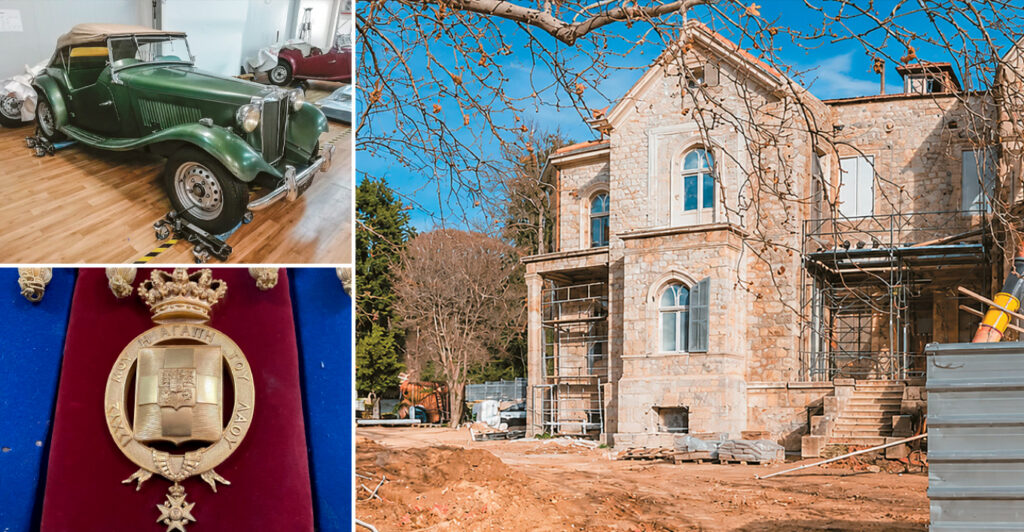
The historic Tatoi estate, once the summer residence of Greece’s royal family, is preparing to reopen to the public following one of the country’s most ambitious cultural restoration projects.
Situated on the slopes of Mount Parnitha, north of Athens, the former royal estate is being transformed into an extensive museum and cultural complex, bringing back to life a site where more than a century of royal history unfolded alongside the political upheavals of the modern Greek state.
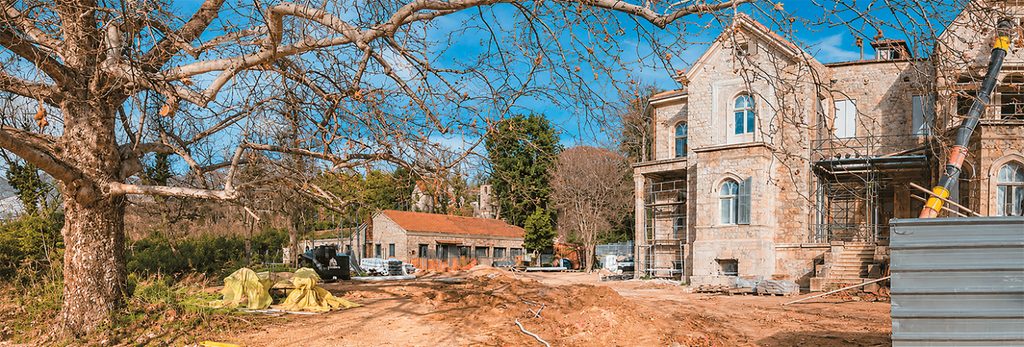
According to information obtained by Proto Thema, restoration work across the estate’s historic core is expected to be completed by the end of 2026, with an official inauguration to follow.
Most of the work has already been completed, while the remaining interventions are entering their final stages.
The project, with total funding exceeding €70 million, includes three main museums, nine additional historic buildings in its first phase, restored royal gardens and modern visitor facilities.
Greek Culture Minister Lina Mendoni has previously highlighted the exceptional scale and complexity of the undertaking, which extends far beyond the restoration of individual buildings.
The ambition is to transform Tatoi from a long-neglected symbol of Greece’s monarchical past into an accessible destination for history, culture, education and recreation.
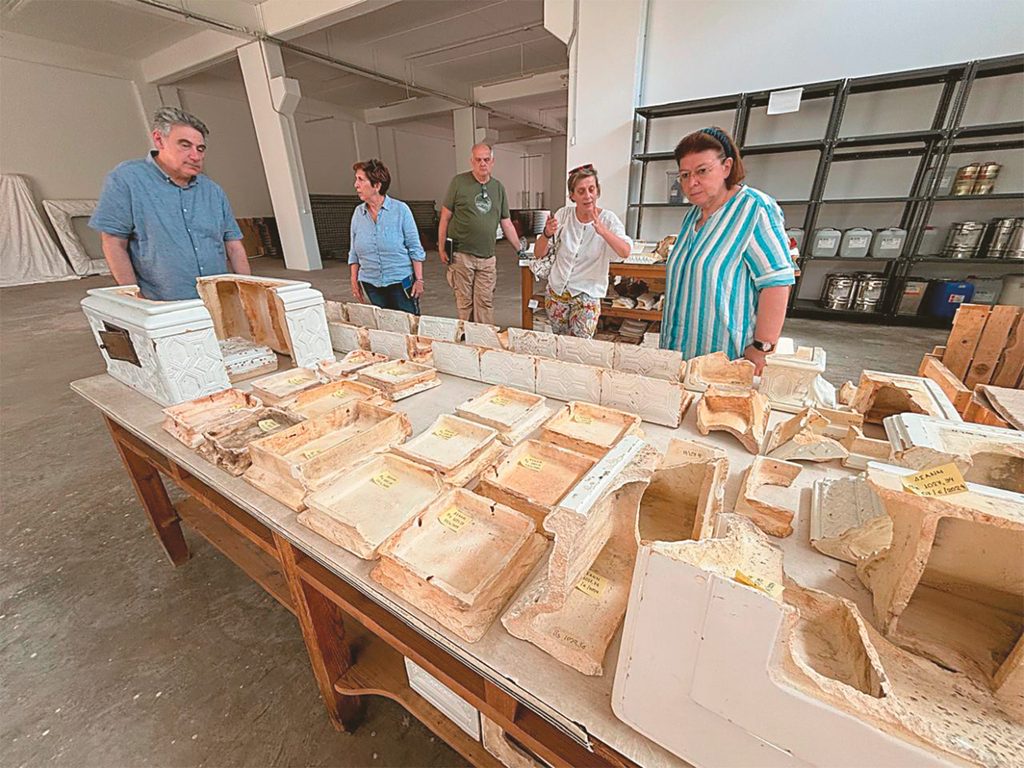
Inside the summer palace: 4,350 objects from the royal collections
At the centre of the restored estate stands the summer palace, which served for decades as the royal family’s country residence and will now operate as a museum.
Restoring the building has been particularly challenging, both because of the deterioration caused by years of neglect and because its original interiors had to be reconstructed using thousands of historic objects, many of which had been stored in unsuitable conditions.
Of approximately 100,000 objects catalogued during the project, around 4,350 have been selected for the palace’s permanent exhibition.
Together, they will offer an extensive account of different periods of royal life, revealing both the ceremonial functions of the monarchy and the more intimate routines of those who lived there.
On the ground floor, where the formal reception rooms were located, visitors will encounter portraits of King George I and Queen Olga.
Among the significant artworks on display will be Prometheus Unbound by Danish painter Carl Bloch.
The library will recreate the atmosphere of the reign of George II, while the study, formal drawing room and dining room will illustrate life in a residence where private family routines frequently intersected with political power and the requirements of royal protocol.
The first floor, formerly home to the family’s private apartments, will offer a more personal perspective.
Exhibits will include Queen Frederica’s wedding dress, gowns belonging to Anne-Marie and Sophia, military uniforms, decorations, silverware, religious icons and rare dinner services.
Frederica’s wedding dress recalls her marriage to Paul in 1938, when Europe was moving towards the Second World War.
Military uniforms and royal decorations, meanwhile, reflect the close connection between Greece’s monarchs and the country’s military and political conflicts throughout the 20th century.
The palace basement will accommodate educational activities and small temporary exhibitions.
Its former cinema will also reopen, screening historical archive footage and allowing visitors to encounter the estate’s past through moving images as well as physical objects.
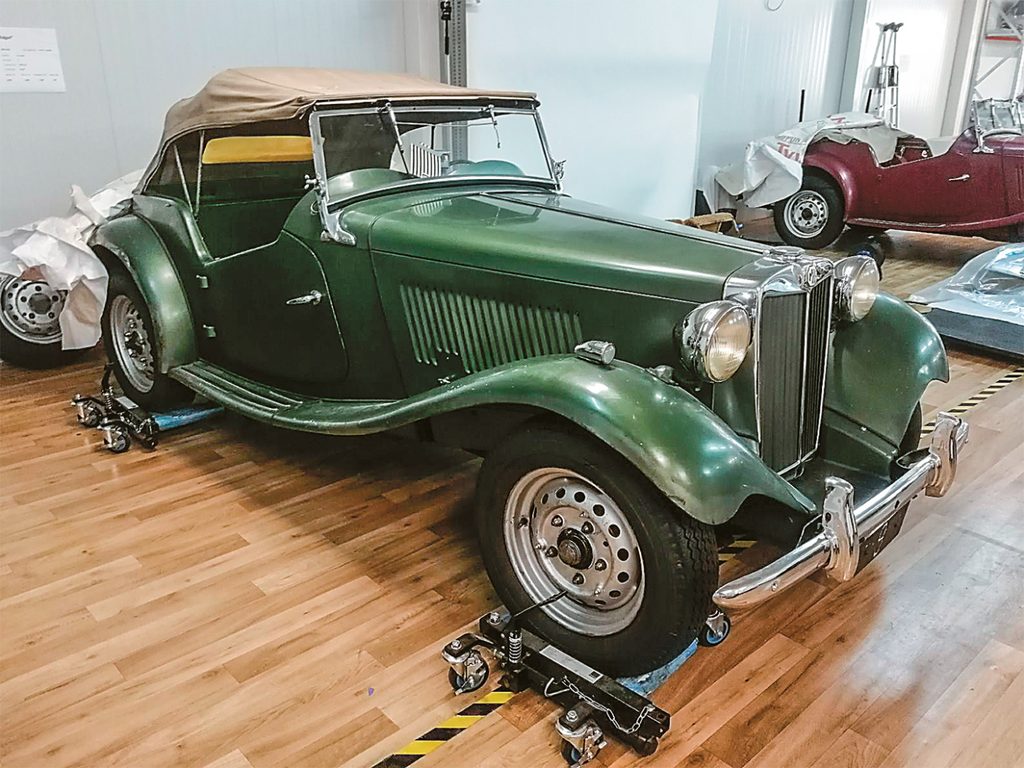
Four Rolls-Royces, two MGs and the royal family’s Fiat 500s
One of the most striking attractions will be the Museum of Royal Carriages, housed in the former stables of George I.
Its collection of historic carriages, complete with elaborate fittings and distinctive craftsmanship, will illustrate an era when royal transport was an important expression of status, ceremony and political authority.
The museum will also showcase a remarkable collection of restored motor vehicles.
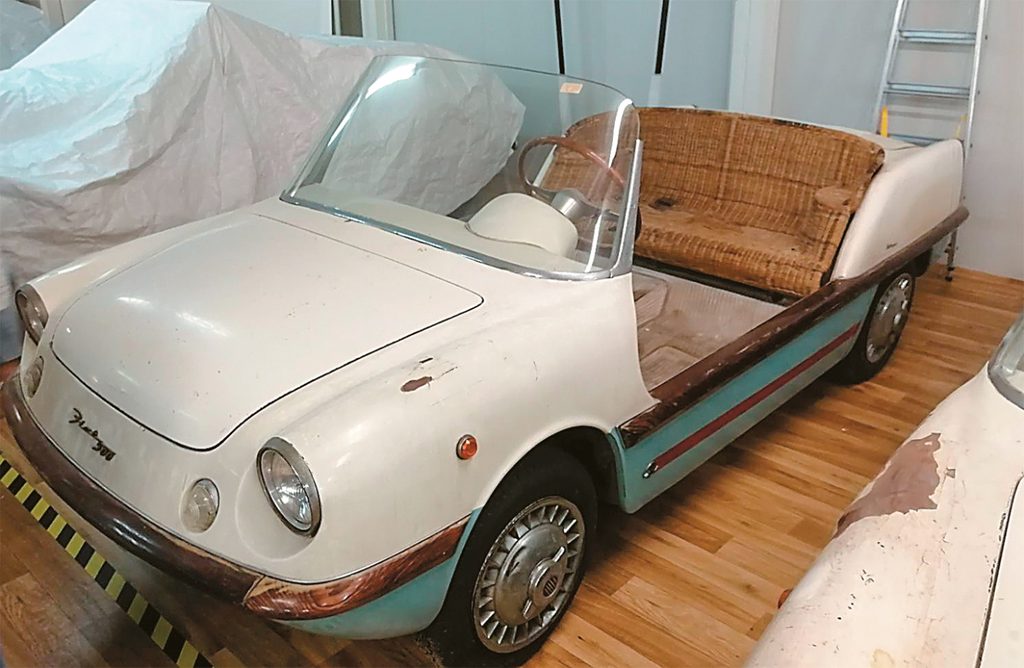
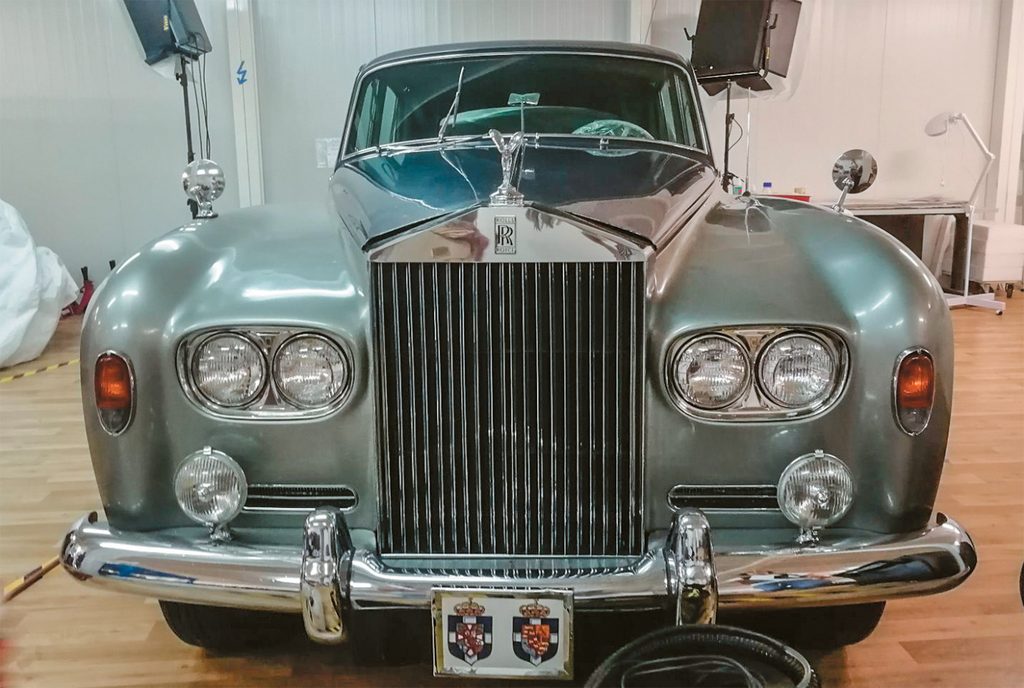
Among them are four Rolls-Royce limousines, two 1952 MG TD Midgets and two small Fiat 500s fitted with wicker seats.
The Fiat vehicles were used for travelling around the estate, providing a glimpse into the less formal side of everyday royal life.
Restoring the collection was a technically demanding undertaking, particularly as the vehicles had remained stationary for many years.
Conservators had to address their mechanical condition while preserving the historical authenticity and original features of each car.
The Rolls-Royces, with their imposing proportions and distinctive styling, evoke a period when luxury motorcars served as powerful symbols of prestige.
The working royal estate and its famous butter
Beyond its palaces and ceremonial buildings, Tatoi was also a substantial agricultural and livestock-producing estate.
This lesser-known aspect of its history will be explored at the Museum of Agricultural and Livestock Production, located in the restored New Cowshed.
For much of its history, the estate operated as a complex agricultural enterprise, with cultivated land, livestock facilities, workshops, storage buildings and specialist workers.
Its productive activities supported a community whose daily life existed alongside that of the royal household.
The new museum will display machinery, tools and equipment associated with farming and food production.
Among the exhibits will be equipment used to raise approximately 100 cattle, together with milk-processing machinery used to produce the estate’s once-famous Tatoi butter.
Additional exhibits will document beekeeping, olive oil production and winemaking, illustrating the variety of agricultural activities that took place on the property.
The museum will reveal a working world often overshadowed by the estate’s royal connections, highlighting the contributions of the people who tended its animals, cultivated its land and maintained its facilities.
Historic gardens restored after the devastating 2021 wildfire
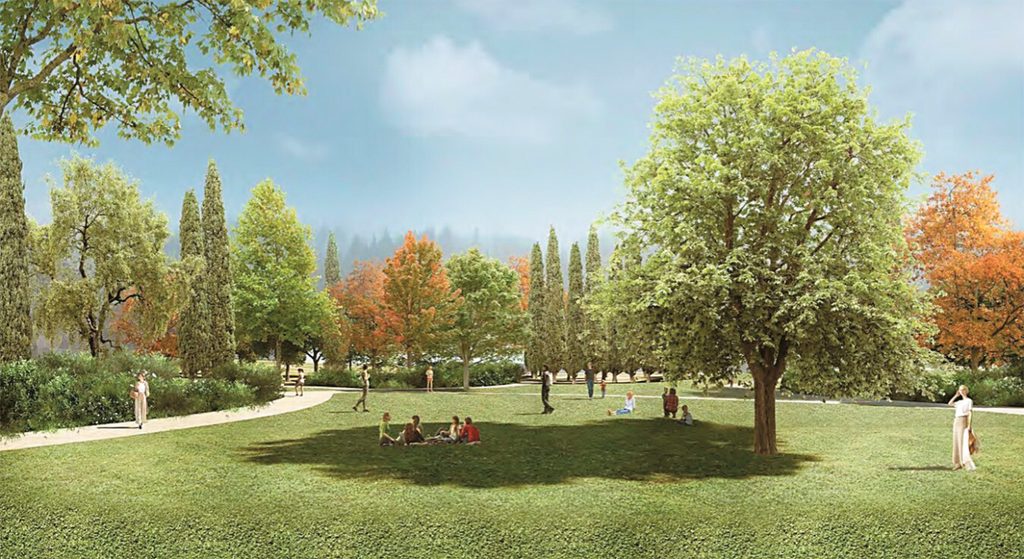
The restoration of Tatoi also encompasses its extensive historic gardens, which formed an integral part of the estate’s architectural and landscape identity.
Historic planting schemes, walking paths, rose gardens and tree-lined avenues are gradually being reconstructed using original plans, photographs and archival documentation.
The avenue lined with holm oaks, imposing plane trees and the route towards the former kitchens will form part of a wider visitor experience combining historic architecture with the natural landscape of Mount Parnitha.
The work carries particular significance following the devastating wildfire of 2021, which underlined the need for systematic fire protection and long-term environmental management.
The restored estate must now balance historical authenticity with the demands of protecting its surrounding woodland and natural environment.
Several smaller historic buildings are also being brought back into use.
These include the Head Gardener’s House, Sturm House, the Caretaker’s House and the Telecommunications Building.
The former Kitchens Building will accommodate the ticket office, cloakroom, refreshment facilities and operational services supporting the Palace Museum.
The Forest Ranger’s House is already functioning as an information centre, providing an introduction to the estate’s history and character.
The royal cemetery and Greece’s turbulent history
On Paleokastro Hill, away from the estate’s former agricultural and domestic activities, lies the royal cemetery.
The burial ground is closely connected with some of the most consequential periods in modern Greek history.
Members of the former royal family are buried there, including figures whose lives intersected with the National Schism, the First World War and the political upheavals of the early 20th century.
Of particular importance is the mausoleum of Constantine I, Sophia and Alexander.
Their personal histories reflect the profound divisions and political struggles that shaped Greece during that period.
Restoration of the cemetery and the Church of the Resurrection forms part of the broader programme to protect and showcase the estate’s historic monuments.
The cemetery’s continuing significance as a place of family remembrance was highlighted by the burial of Princess Irene in January 2026, alongside other members of her family.
Although the monarchy has long since been abolished in Greece, Tatoi remains an important site of dynastic and national memory.
What comes next for the former royal estate?
The completion of the first phase will mark a major milestone, but it will not bring the wider Tatoi redevelopment programme to an end.
The next challenge will be ensuring the long-term operation of the museums, maintenance of the restored buildings and gardens, security of the collections and effective management of visitor services.
Further plans envisage adapting additional historic buildings for hospitality, dining, cultural activities and agricultural food production.
These developments, however, belong to a separate, later phase and should not be confused with the completion of the three publicly operated museums.
The Ministry of Culture’s broader vision is to present Tatoi as a unified historic landscape, rather than simply another tourist attraction or a museum devoted exclusively to a former royal dynasty.
As Mendoni has explained, the restoration concerns an entire historic environment in which architecture, natural surroundings and valuable collections form an interconnected whole.
The aim is to establish a year-round destination combining historical memory, cultural heritage, education, environmental awareness and recreation.
For an estate that spent decades associated with neglect and deterioration, reopening its gates will represent a substantial transformation.
Visitors will be able to explore not only the history of Greece’s former monarchy, but also the lives of the people who worked, lived and shaped the estate over generations, restoring an important chapter of the country’s modern heritage to public view.
Ask me anything
Explore related questions




