Ministry of Culture: Spathario Shadow Theatre Museum collection designated as a modern monument
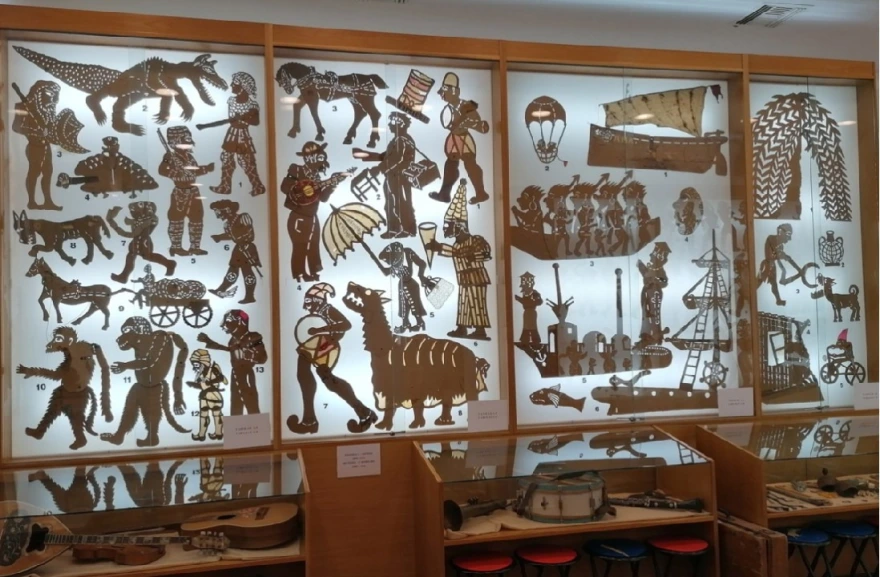
The collection of the Spathario Shadow Theatre Museum, comprising 465 artifacts, has now been officially recognized as a modern monument, ensuring its preservation and protection
Newsroom
Δείτε περισσότερα άρθρα μας στα αποτελέσματα αναζήτησης
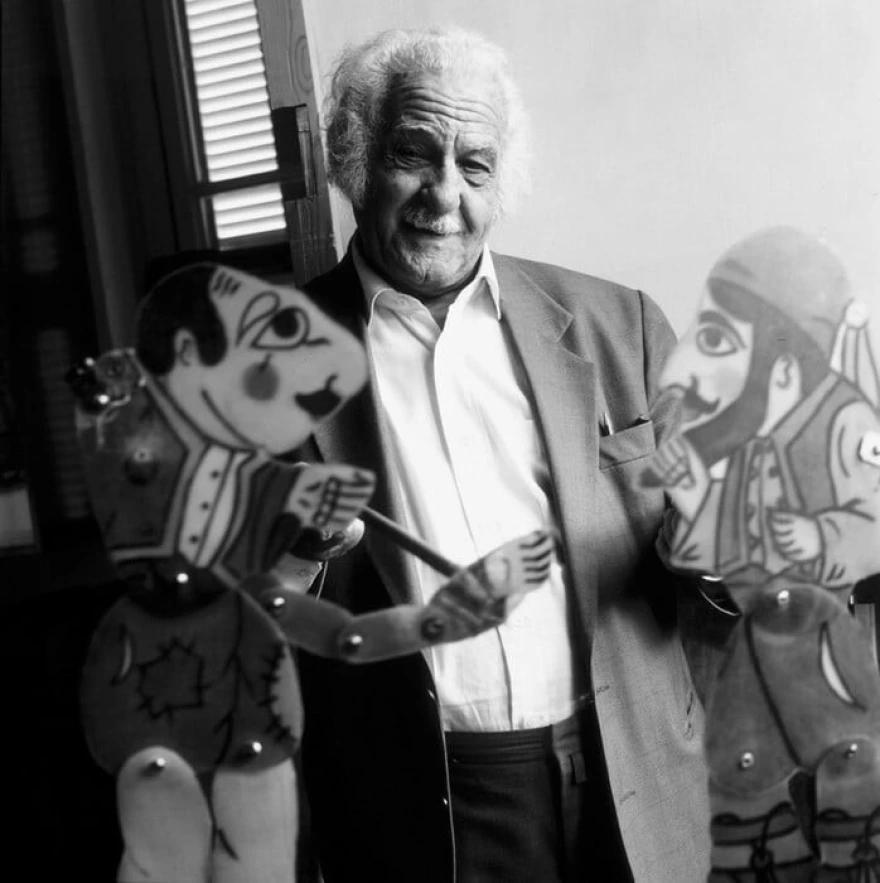
According to an announcement by the Ministry of Culture, this designation acknowledges the collection’s unique and rare historical significance in documenting the evolution of Shadow Theatre in Greece. The artifacts reflect not only the sociopolitical and cultural conditions of their time but also highlight the invaluable contributions of Eugenios Spatharis and his father, Sotiris Spatharis, to the development and promotion of Karagiozis, the iconic figure of Greek shadow theatre.
A Cultural Treasure of Shadow Theatre
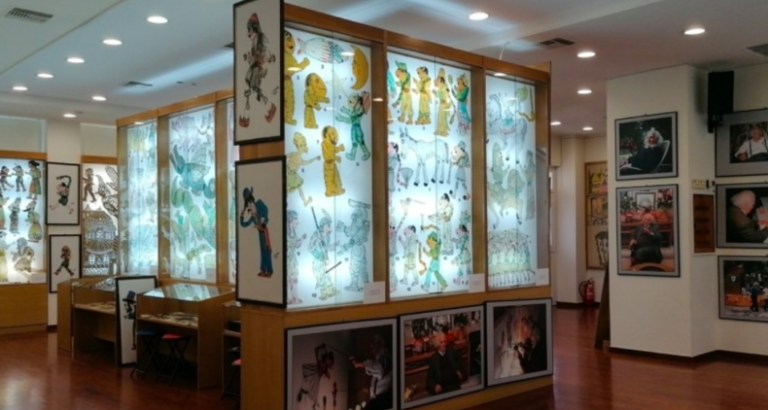
The museum’s permanent collection was a donation from Eugenios Spatharis to the Municipality of Maroussi in 2003. It primarily features his own works, alongside older pieces crafted by his father, Sotiris, and a selection of artifacts from international Shadow Theatre traditions.
Minister of Culture Lina Mendoni emphasized Spatharis’ pivotal role in preserving and modernizing the Greek Shadow Theatre:
“Eugenios Spatharis, mentored by his father, dedicated his life to Shadow Theatre. Through his restless creativity and multifaceted talent, he elevated Karagiozis from a traditional folk performance to an internationally recognized art form. By integrating theatre, film, television, music, and painting, he breathed new life into the character while preserving its authentic folk essence.”
In 1991, Spatharis established the Spathario Shadow Theatre Museum in collaboration with the Municipality of Maroussi, donating 465 figures and stage sets that form the museum’s core collection. The recognition of this collection as a monument underscores its artistic, historical, and folkloric value, ensuring its preservation as an integral part of Greece’s intangible cultural heritage.
A Living Archive of Greek Shadow Theatre
The museum’s exhibits trace Spatharis’ artistic journey, from his early collaborations with his father in the 1930s to his passing in 2009. The collection, meticulously documented by the museum’s director and Spatharis’ daughter, Menia Spathari, reflects over a century of artistic and historical evolution in Shadow Theatre.
Originally housed in a renovated neoclassical building in Kastalia Square, the museum later moved to a larger municipally owned neoclassical structure in Maroussi, ensuring better preservation and exhibition of its invaluable collection.
The Spathario Museum plays a crucial role in safeguarding the artistic legacy of Eugenios and Sotiris Spatharis, whose works date back to 1894. Since 2000, the museum has hosted the annual “Spathareia” Shadow Theatre Festival, attracting renowned Karagiozis performers from Greece and abroad.
A Collection Divided into Four Thematic Sections
The museum’s artifacts span different materials and techniques, categorized into four distinct sections:
Cardboard Figures (1930–1972):
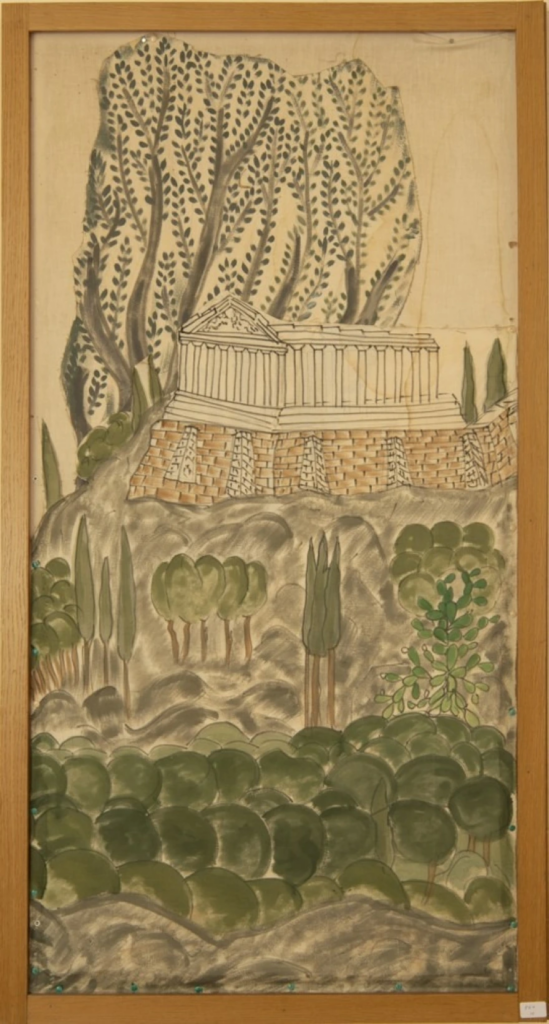
87 figures and stage sets by Sotiris and Eugenios Spatharis, including the first-ever televised Karagiozis (broadcast in 1966).
Leather Figures (1935–1980):
18 core figures by Eugenios Spatharis, designed to enhance light permeability and introduce color to the projections.
Gelatin & Plastic Figures (1923 Onward):
Innovations brought to Greece by Karagiozis performer Theodoropoulos, later adapted for television, especially after color broadcasting began in 1979.
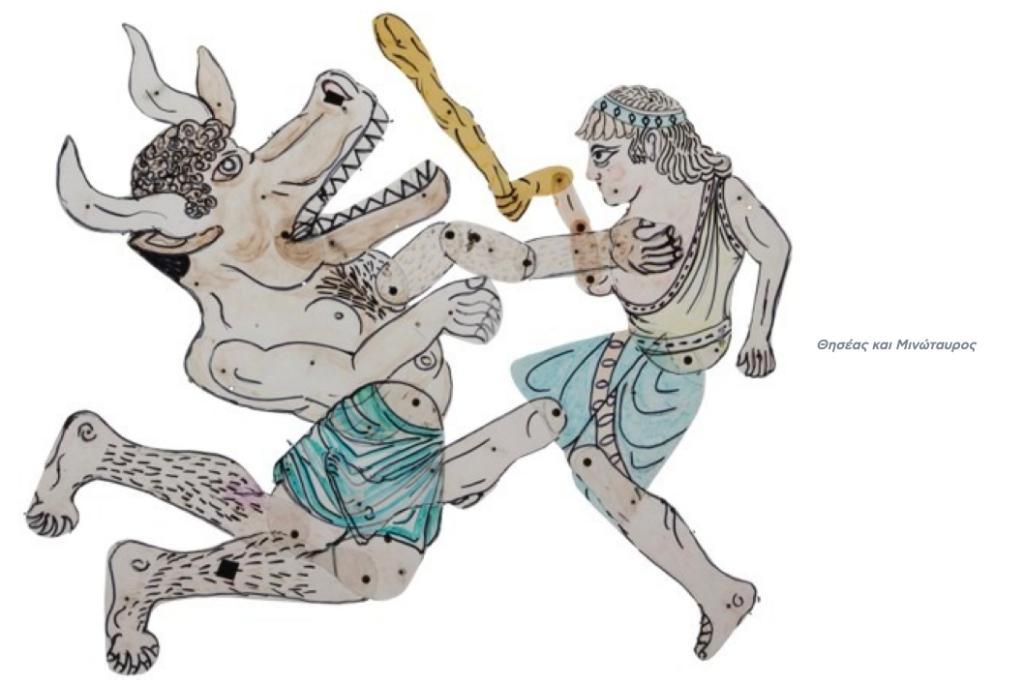
Many pieces in this section draw from Greek mythology, history, and politics.
Special Artifacts & Multimedia Displays:
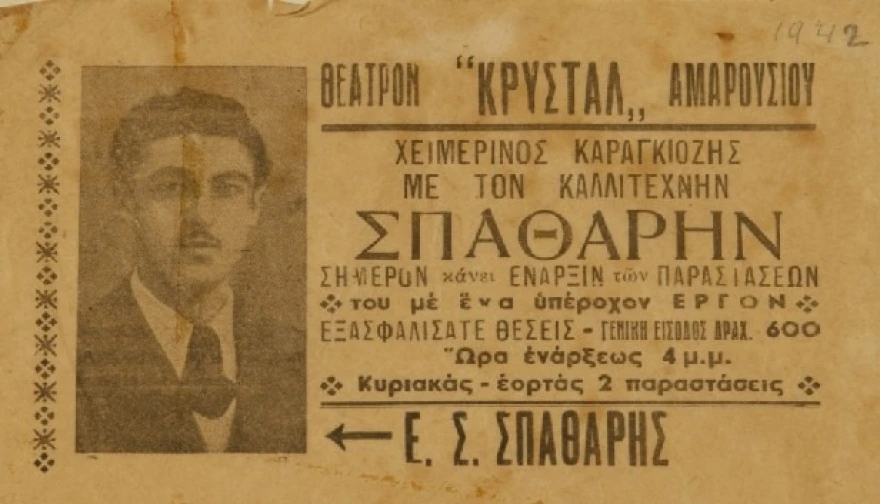
Musical instruments, specialized stage effects, shadow puppets from global traditions, books, posters, and press articles.
The Roots of Greek Shadow Theatre
Shadow Theatre traces its origins to Ancient Greece, with significant influences from the Eleusinian Mysteries and the Kabirian cults, where shadows played a ritualistic role. The earliest recorded mention of Karagiozis dates back to August 18, 1841.
The Greek version of Karagiozis took shape in the late 19th century, flourishing in Patras through innovations introduced by the master shadow puppeteer Mimaros. His successors enriched the tradition, passing it down to Sotiris Spatharis, Antonis Móllas, and Christos Charidimos.
Sotiris Spatharis (1892–1974), born in Santorini and raised in Metaxourgeio, discovered his passion for Shadow Theatre after witnessing a performance by Giannis Brachalis. He quickly became a dedicated Karagiozis performer, balancing his artistic career with construction work. His son, Eugenios Spatharis (1924–2009), followed in his footsteps, immersing himself in the craft from a young age.
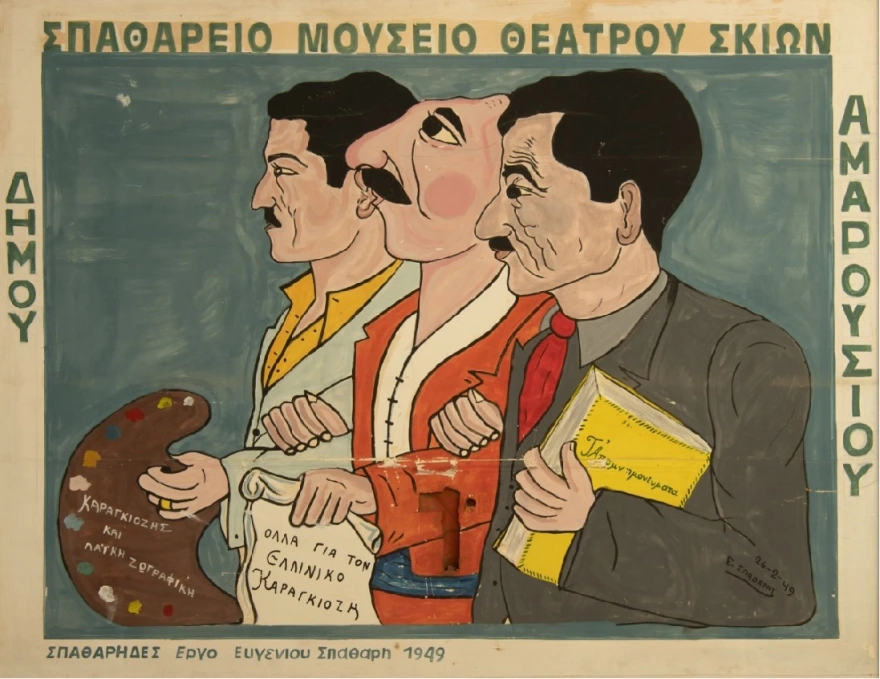
By the 1930s and 1940s, Sotiris Spatharis had become the preferred performer among Athens’ artists and intellectuals, with his wife and son assisting in creating stage sets and costumes. One of his most significant contributions was introducing advertising “Reklama”, a unique form of folk painting used in Karagiozis performances.
Today, the Spathario Shadow Theatre Museum stands as a testament to this rich cultural tradition, preserving and celebrating the art of Greek Shadow Theatre for future generations.