





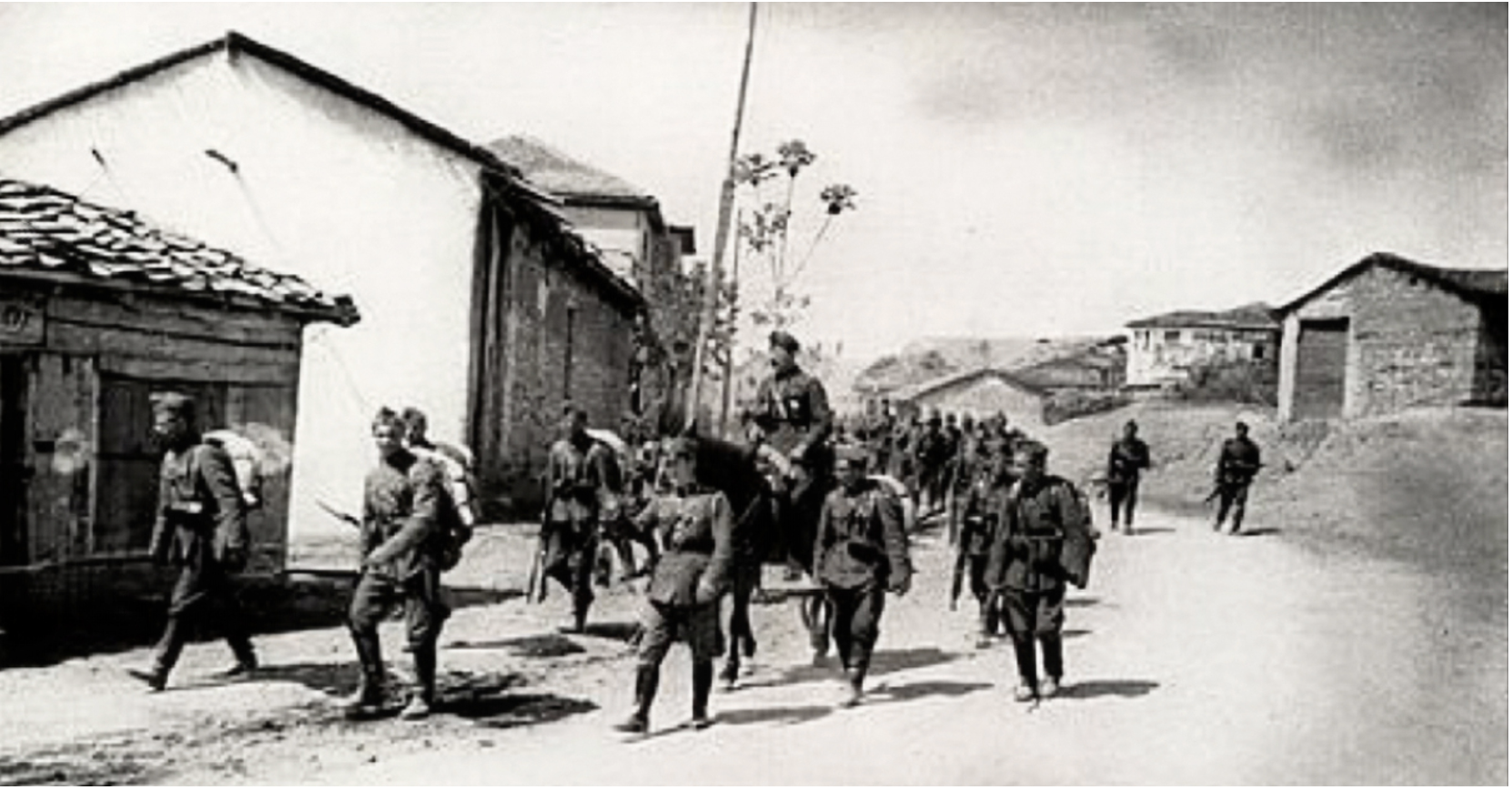
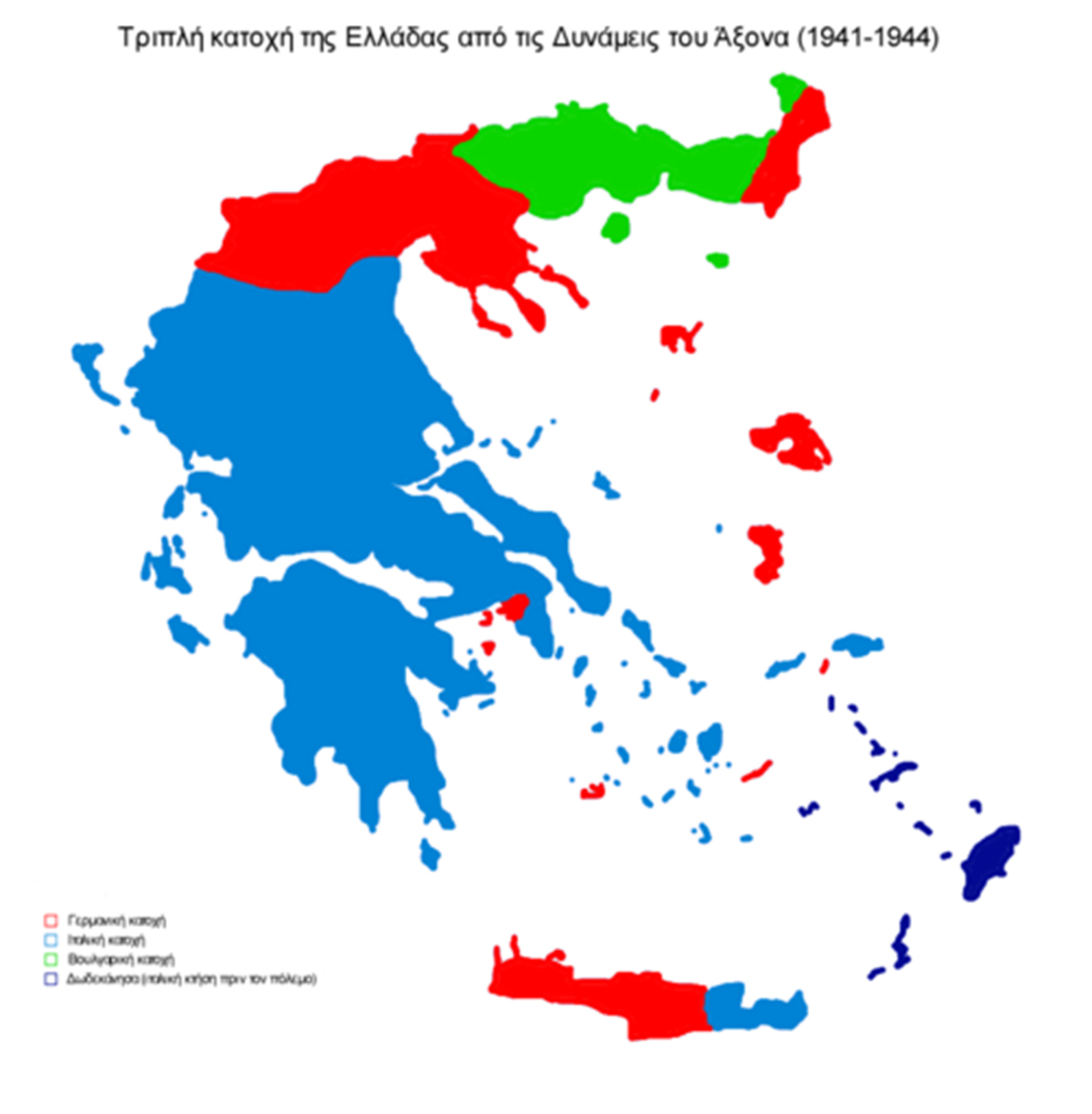
As is well known, the German conquerors in Greece were followed by the defeated Italians and the “unbloodied” Bulgarians (triple occupation). Bulgarian forces entered Eastern Macedonia and Thrace on 21/4/1941, after a “invitation” from the Germans, and occupied the territories of our country east of the Strymon River, except for a small part of the Evros Prefecture along the Greek-Turkish border (Hellenic Army General Staff, “Struggles in Macedonia and Western Thrace”, 1956, p. 226). Meanwhile, Xanthi Kotzageorgi, in her book “The Bulgarian Occupation in Eastern Macedonia and Thrace, 1941–1944”, p. 36, states that three Bulgarian brigades had entered Eastern Macedonia and Thrace on April 9, 1941, just three days after the German invasion.
The Bulgarians attempted to Bulgarize the areas “offered” to them by the Germans by appointing Bulgarian administrators, expelling Greek bishops and priests, operating schools in the Bulgarian language, and settling Bulgarian colonists (about 100,000 in Eastern Macedonia–Thrace, etc.), while brutally beating anyone who dared to deny that Alexander the Great was Bulgarian!
We will deal with all this in more detail in the future, but today we will focus on the early and unorganized Greek uprising in Eastern Macedonia at the end of September 1941, which was drowned in blood by the Bulgarians, with mass executions of Greek civilians. Nikolaos Soilentakis describes the massacres as a “Bulgarian Vespers,” referring to the Sicilian Vespers (1282). To this day, it is uncertain whether the uprising—unorganized and unplanned—was the result of a Bulgarian provocation or an initiative of the KKE’s “Macedonian Bureau,” which had been cut off from the rest of the party’s organizations due to… Metaxas and Maniadakis. It was an achievement, considering that K. Maniadakis had managed to create chaos within the KKE by publishing a second Rizospastis and forming a second KKE (“Provisional Administration of the K.K.E.” — see our related article from 26/1/2025).
Members of the KKE’s “Macedonian Bureau” were deeply distrustful about who were genuine communists and who were Maniadakis’s agents. They left Thessaloniki, settled in Drama, and managed to “disappear”…
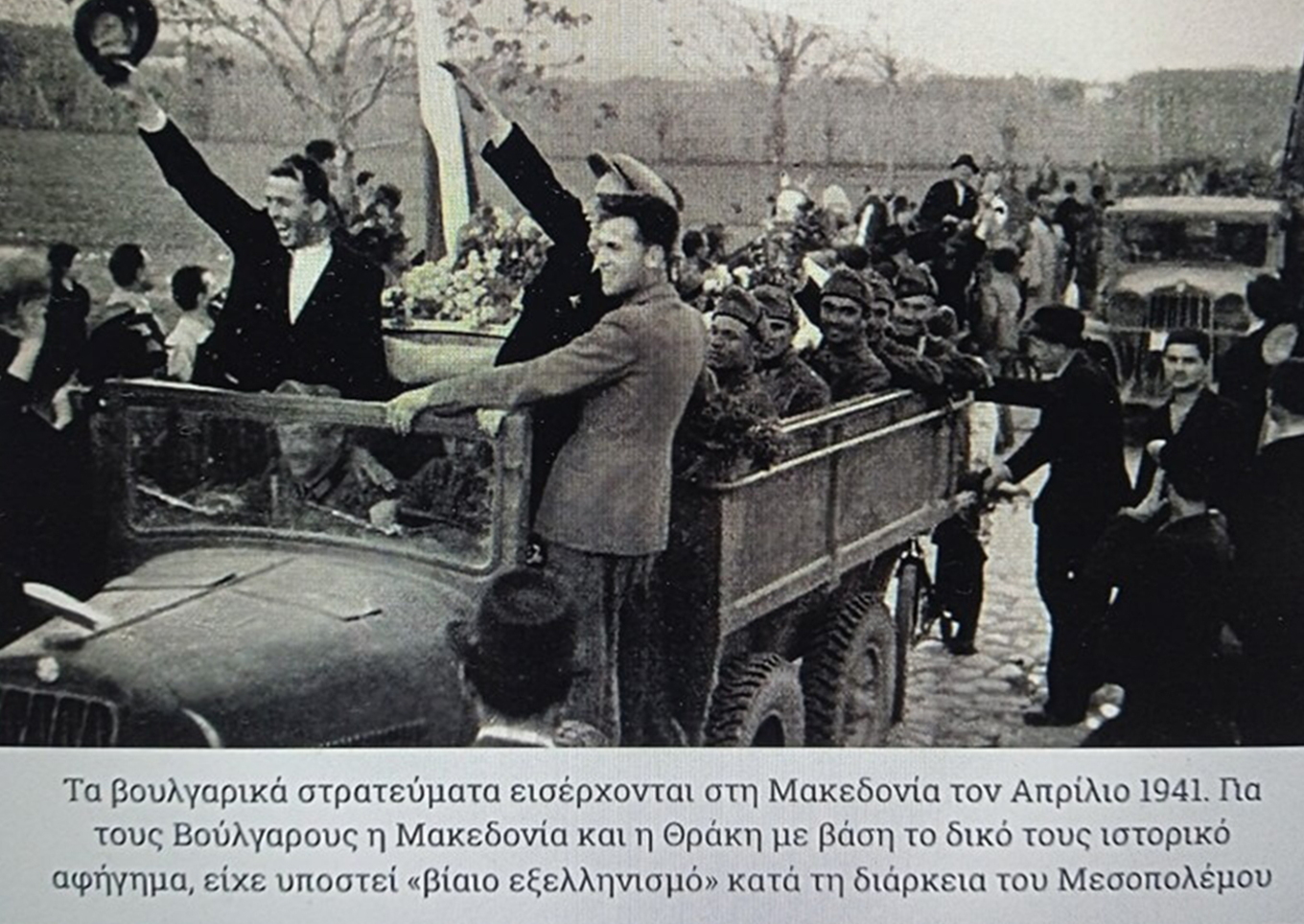
The outbreak of the uprising
Bulgarian occupation in Eastern Macedonia in 1913 and 1917 had been very harsh. The third occupation (1941–1944) already appeared to be even more brutal. However, Bulgarian oppression matured the Greek people’s consciousness, and they began to arm themselves, mainly with weapons recovered after Greece’s surrender in April 1941—even with artillery dismantled from the border fortifications.
Around September 20, 1941, a rumor began circulating in the area, with unknown origins. According to the rumor, a major revolution by the Bulgarian Communist Party had broken out in Sofia to overthrow King Boris, and afterwards, Bulgarian communists would liberate Greece from German occupation.
Solon Grigoriadis supports this version and believes that among those spreading these rumors were Bulgarian agents posing as communists, who convinced their Greek “comrades” that an uprising by members of the Bulgarian Communist Party was imminent. He writes that the uprising began on the night of 28/9/1941. Large groups of armed men entered towns and villages, overthrew Bulgarian authorities, and called on the people to rise up. The first target of the rebels was Doxato.
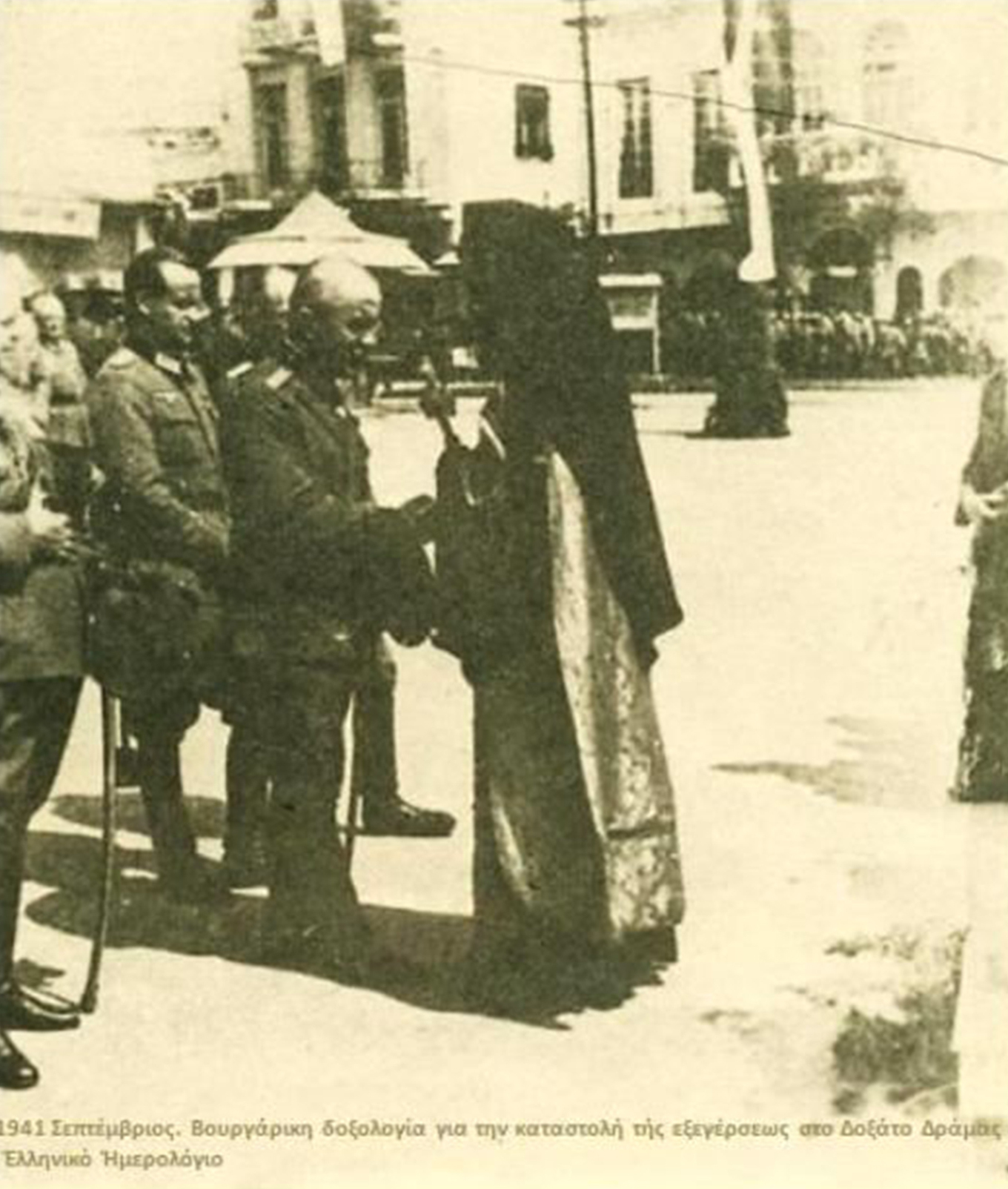
Men from the town and nearby Choristi, led by H. Kalaitzis or Kalaitzidis, attacked the local Bulgarian gendarmerie station, killing several officers. They also attacked Prosotsani, Koudounia, Kyrgia, and other settlements (about 25 in total), killing Bulgarian village chiefs and officials, as well as policemen. In Drama, they blew up one of the two power plants in the city, accidentally killing the Greek guard Apostolos Chatzipetrou, and made a poorly organized attack on the War Supply Corps camp. The failure of the operations in Drama led the leadership of the rebels to abandon Mavrovato—their operational base—and flee to the nearby mountains.
A sabotage group led by V. Germanidis attempted to blow up the railway bridge of Nikiforos (a semi-mountainous village of Drama prefecture), but failed due to strong resistance by the Bulgarian soldiers guarding the bridge. The military leader of the uprising was Captain Alekos—the pseudonym of Pantelis Chamalidis (1910–1942) from Pontus, Secretary of the KKE’s Drama Party Organization. However, instead of resorting to guerrilla warfare, he ordered a frontal battle, destroying any chance of success for the Greeks.
The brutal Bulgarian reprisals
The Bulgarian revenge began very quickly, with Doxato as its first target. On the night of September 29–30, 1941, Bulgarian forces from Kavala and Drama occupied the town. They gathered all men in the northern part of Doxato and detained those aged 20–40. In total, there were 397. After binding them with barbed wire, a Bulgarian colonel approached them and said: “Whoever is Bulgarian, stand up and step forward. You will be released.” No one moved. They were taken in groups of 10–15 to the northwest edge of the town and executed on the spot.
That same night, mass murders of Greek civilians by Bulgarians took place in the villages of Nikiforos (31 people), Paliampela (28), Platania, Platanotopos, Limniski, Terpsithea, Sahini, Ftelia, Chamokerasia, Drymotopos, Valtochori, Kalampaki, Kokkinogeia (25 people), Kato Nevrokopi (50), Chrysocephalo (24), Sitağroi (45), Kalo Agro (25), Koudounia (47 people burned alive in a barn), and Kyrgia (150–250 people). Prosotsani was bombed by airplanes and mortars. Later, a Bulgarian detachment entered and transferred 90 Greeks to the Alistrati bridge, where they were executed.
The Bulgarian crimes in Drama
The “reprisals” in Drama were also of unprecedented brutality. After the actions of the rebels, Bulgarian patrols swept through the city at dawn on September 30, firing indiscriminately. Bakers, workers, and peasants from nearby areas heading to the city’s weekly market were the first victims. Terrified residents locked themselves inside their homes. However, town criers began shouting that everyone must gather in the central square. There, men were seized in groups and dragged to the artillery barracks and the Pefkakia area.
There, some were shot, others killed with pickaxes, axes, or crowbars. Many were executed in the central square, under the smiling gaze of Drama’s military commander, Colonel Mihailov, and Mayor Patsivarov. According to N. Soilentakis, many were slaughtered. What followed was even more horrific: “Bulgarians played football in the square with the heads of the decapitated Greeks. Mihailov’s wife ordered a Bulgarian gendarme to execute before her Stamathina and Mary Zacharopoulou as well as the young Breza.”
N. Soilentakis reports that 2,500 people lost their lives in Drama at that time. Solon Grigoriadis states that total victims of the Bulgarian reprisals were 6,000–7,000. Nikolaos Soilentakis mentions 15,000—a number cited in several sources, though likely exaggerated.
N.Th. Georgiadis writes that the verified victims were 2,140. Hagen Fleischer mentions 4,000–5,000 dead, while the Bulgarian consul claimed only 482!
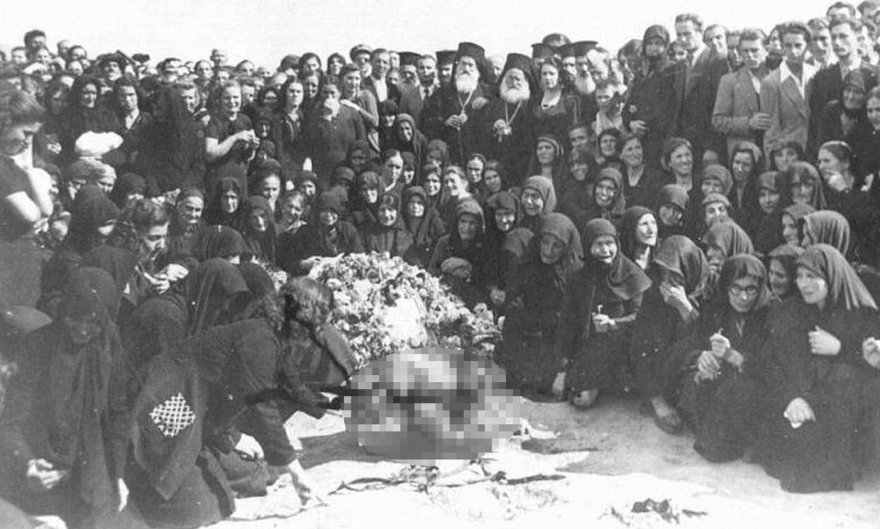
Clergymen an mourning the victims of the Drama massacre

Monument for the victims of Drama
The end of the “Macedonian Bureau” members of the KKE
Those who tried to escape fell into Bulgarian and German ambushes and were killed. A group from the KKE’s “Macedonian Bureau” attempted to flee. They escaped the ambushes and reached the bank of the Strymon River. If they had crossed, they likely would have survived. However, a local villager spotted and betrayed them to the Bulgarians. They were caught by surprise and captured. Taken to the village of Palaiokomi (Provista), they were shot without trial (October 6, 1941). They were: Paraskevas Barbas, Apostolos Tzanis, Lazaros Mazarakis, Arampatzis Mazarakis, Chrysostomos Mazarakis, and Grigoris Paschalidis.
Chrysa Chatzivasileiou, prominent member of the K.K.E. in Eastern Macedonia
Many have argued that the uprising was led by local KKE members who had no contact with the party leadership in Athens. When the KKE’s Central Committee learned of the events, it sent Chrysa Chatzivasileiou, a prominent party member, with orders to suspend communist activity in the area.
According to the testimony of G. Erythriadis, Chatzivasileiou instructed Michalis Drakos that all KKE members and cadres must abandon the Bulgarian-occupied regions, as they “could not play any role in the resistance.” This was a mistake—if the massacres began as a Bulgarian provocation, it should have been exploited and the struggle expanded, not halted by party directive. T. Chatziannastasiou believes that the “Bulgarian Vespers” had a dual “character”: it was both a communist revolutionary proclamation and a national liberation movement.
The death of Antonis Chamalidis
Pantelis Chamalidis (Alekos), with three of his comrades, including one woman, was killed on May 20, 1942, in Paralimni, Serres. According to eyewitnesses: “From the Bulgarians’ gunfire, the woman was wounded and could not run, she fell behind. To prevent her capture, one of the three turned back and shot her with his pistol. Half a kilometer farther, the three men stopped. Soldiers from Psychiko blocked their way. They immediately took cover in a watering hole used by buffaloes and started firing. The battle lasted an hour. Then, the firing from the encircled stopped. When their bullets ran out, they committed suicide… All three had a pistol bullet in their heads. It seems one shot the other two and then himself. Under their thick rural jackets, they wore bandoliers. Three Thompson submachine guns, one pistol, grenades, and a bag were scattered around them.”
Provocation or Communist action – the uprising of Eastern Macedonia?
Although this specific uprising is generally unknown, it has preoccupied many scholars, historians, and others. Until a few years ago, the prevailing view leaned toward a Bulgarian provocation. The first to present this theory was Athanasios Chrysochou, General Inspector of Prefectures of the General Administration of Macedonia in 1941. Later, he also cited the confession of a Bulgarian Cominform agent during the Skopje trial (1949). In 1945–46, this view was adopted by the controversial Konstantinos Snok (Synokas) and, many years later, by Tasos Vournas.
V. Kolarov, leader of the Bulgarian Communist Party, stated on October 6: “In the area of Drama and Serres, an uprising broke out. No honest and conscientious citizen can doubt that this uprising was provoked by the brutal regime of Filov (then Prime Minister of Bulgaria) in Greece, and that the Bulgarian occupation army was assigned the role of executioner.”
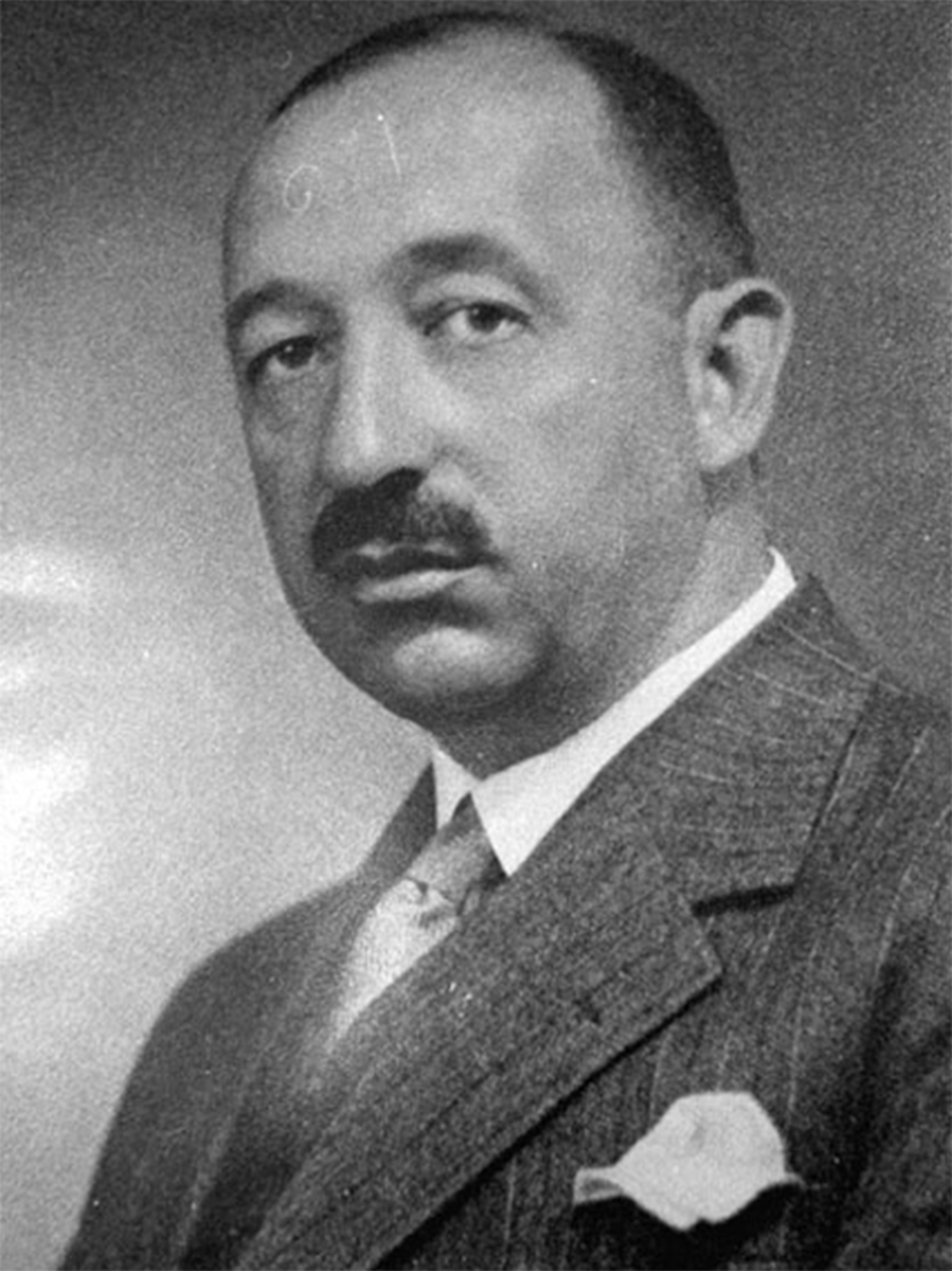
Solon Grigoriadis writes:
“The Bulgarians did not directly provoke the uprising, but they knew about its preparation and had already set up the terrible mechanism of retaliation (army, gendarmerie, administration, komitadjis), which would act lightning-fast and without limits. They probably even encouraged it indirectly. And certainly, they neither feared it nor found it undesirable.
The real organizers of that uprising, which inevitably ended in tragedy, were others: a group of people who made up the Macedonia–Thrace Regional Bureau of the KKE…”
According to Grigoriadis, after the German invasion of the USSR and Stalin’s dramatic appeal broadcast on July 3, 1941, to all the occupied countries of Europe (“… In the occupied territories, conditions must be made unbearable for the enemy and all his collaborators, to hunt and destroy them at every step, to sabotage all their measures”), Chamalidis and the others believed that Stalin’s appeal meant a military diversion at the enemy’s rear.
However, they had no plan, no knowledge of guerrilla warfare mechanisms, and no officers among them, etc. The situation became even more complicated due to various rumors circulating at the time (confirmed in 1946 to Gendarmerie Major Dimitrios Bougas by local residents), claiming that the British had occupied Thessaloniki and that Soviet troops would soon come down to liberate Greece as well.
The KKE’s View
In 1952–53, the KKE launched an investigation to determine exactly what had happened in Drama in 1941.
The testimony of Theoklitos Krokos, Secretary of the Kavala Regional Committee of the KKE in 1941, was significant.
He placed the blame on Chamalidis, saying that he had been misled by the provocations of the Ohrana (the Bulgarian secret service).
Nikolaos Th. Georgiadis, in an excellent article titled “Drama, the September 1941 Uprising” on prosoma.gr, writes the following:
“The official position of the KKE so far accepts that the Uprising was a heroic but premature action and maintains that there were ‘suggested rumors’ that led the leadership of the Drama organization to a mistaken assessment of the situation, without clarifying where they originated, indirectly (through the word ‘suggested’) raising the issue of a trap, without naming it directly:
On the night of September 28 to 29, 1941, the inhabitants of many villages in the Drama region rose up against the Bulgarian occupiers. More than 2,000 patriots, led by communists, struck and overthrew the occupation authorities in Doxato and the surrounding villages.
The Bulgarian fascists, however, mobilized strong forces. Despite their fierce resistance, the patriots retreated. The fascists carried out harsh reprisals against the population…
The popular uprising against the Bulgarian occupiers was a premature act. The leadership of the Drama Party Organization, which itself fell in the clashes, misjudged the situation. It believed in suggested rumors about an alleged uprising in Bulgaria and gave the call for an armed mass revolt.
Yet, despite its outcome, this movement constitutes a heroic page in the history of the Greek people’s struggle for freedom.”
(History of the National Resistance 1940–1945, 1984; Historical Essay of the KKE, Vol. A, 2011)
Let us also look at the view of Rizospastis:
“The September 1941 uprising in Drama constitutes a supreme act of resistance against the triple fascist occupation of our country. Regardless of its outcome and despite the reprisals, the sacrifice of the insurgents opened the chapter of the heroic contribution of the Greek people—with the communists as pioneers—in the epic of the National Resistance.” (13/12/2015)
The Triple Occupation of Greece
Epilogue
The distinguished German historian Hagen Fleischer believes that the Greeks were trapped by the Bulgarian authorities and the Ohrana.
As for the number of victims, he considers it expected, based on the number of Bulgarians killed (47 initially, 104 in total after the clearing operations).
More recent historians (Kouzinopoulos, Chatziannastasiou, etc.) believe that there was no provocation at all and that it was a purely Greek action—though poorly planned and hastily executed—under the direction of the KKE, something also accepted by Bulgarian historians Sterev and Gorncheski.
Sources:
- Solon Neokl. Grigoriadis, History of Modern Greece 1941–1974, Vol. A, POLARIS Publications, 2009.
- Nikolaos P. Soilentakis, History of Hellenism in Thrace, Vol. B, 2nd Edition, Papazisis Publications, 2004.
- Nikolaos Th. Georgiadis, Drama, the September 1941 Uprising, on prosoma.gr.
- Hagen Fleischer, Crown and Swastika, Vol. 1, pp. 96–97.
- Georgios Roussos, Modern History of the Greek Nation, 1826–1974, Vol. VI, Hellenic Cultural Foundation, 1975.
Ask me anything
Explore related questions




