





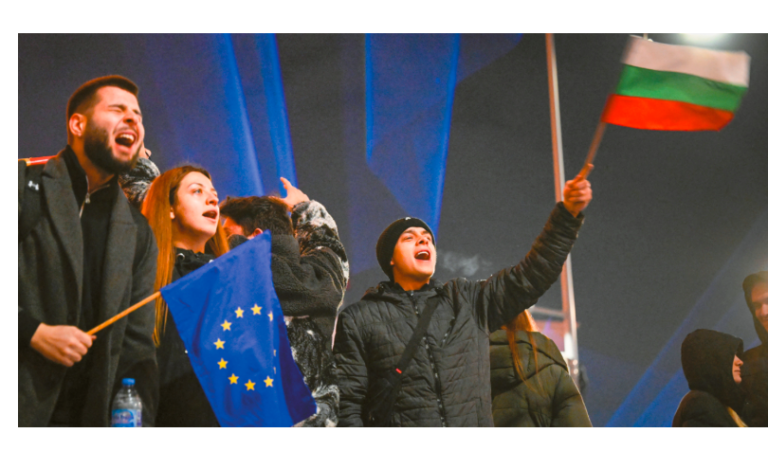
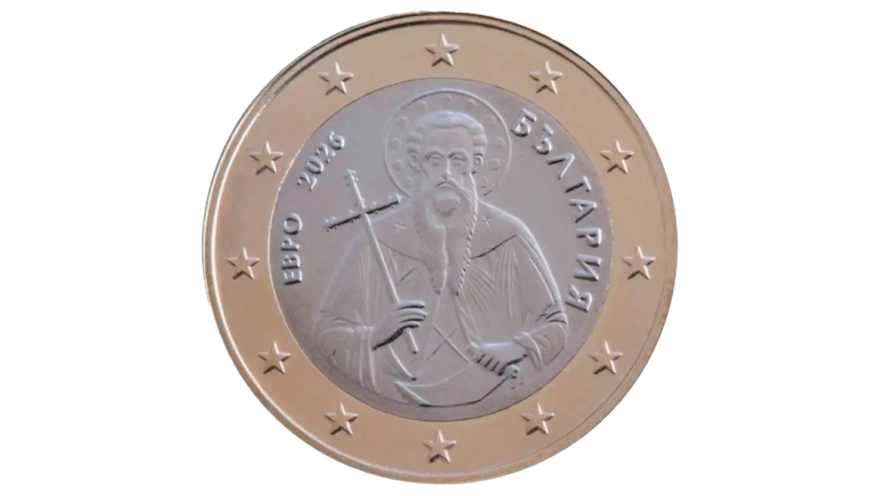
The move is expected to bring significant changes to Northern Greece, affecting real estate markets, tourism, cross-border business activity, and the popular practice of weekend shopping trips. Despite the resignation of Rosen Zhelyazkov’s government last Thursday, January 1, 2026, it remains a historic milestone for Bulgaria and its citizens. In less than 20 days, the neighboring country will adopt the euro at a fixed exchange rate of 1 euro to 1.95583 leva. This development is not expected to be affected by Bulgaria’s prolonged political instability, which has seen seven elections over the past four years.
A year earlier, Bulgaria—along with Romania—joined the Schengen Area amid nationwide celebrations. That move significantly facilitated travel to and from Greece, making the Bulgarian market even more attractive to Greek consumers due to lower fuel prices and cheaper basic goods. It also boosted tourism flows in both directions and triggered a strong wave of Bulgarian investment in Greek real estate, particularly in Central and Eastern Macedonia and Thrace.
Key questions
The adoption of the euro—whose banknotes will now also bear the word “Евро” in Cyrillic—signals several positive developments: a strengthening of the Bulgarian economy (still the weakest in the EU), easier access to international capital, lower borrowing costs, compliance with European fiscal rules, and the elimination of currency risk, creating a safer investment environment.
At the same time, it raises crucial questions, especially for Greece. How will bilateral economic and trade relations be affected? Will they strengthen or weaken, and at what cost to each side?
There are also everyday concerns. Will Greeks continue their weekend trips across the border to fill car trunks with cheap goods and fuel tanks with significantly cheaper petrol, draining the Greek market? Will Bulgarian winter resorts such as Bansko remain popular with Greek tourists? And conversely, will Bulgarians continue to invest heavily in homes along the beaches and islands of Northern Greece, creating small “Bulgarian Rivieras” in some areas?
Market outlook
Clear answers are hard to come by. Political instability and weak governance in Bulgaria remain major risks, as they encourage speculation, lax oversight and market distortions. Stability will be crucial—but it is unclear when it will materialize.
Still, markets often operate independently of politics. As long as the adoption of the euro does not lead to sudden price hikes in Bulgaria, major changes to the current situation are not expected. Border cities are likely to remain crowded with Greek shoppers, especially on weekends. Over time, however, price convergence may gradually reduce this flow.
Cheap fuel remains a major draw
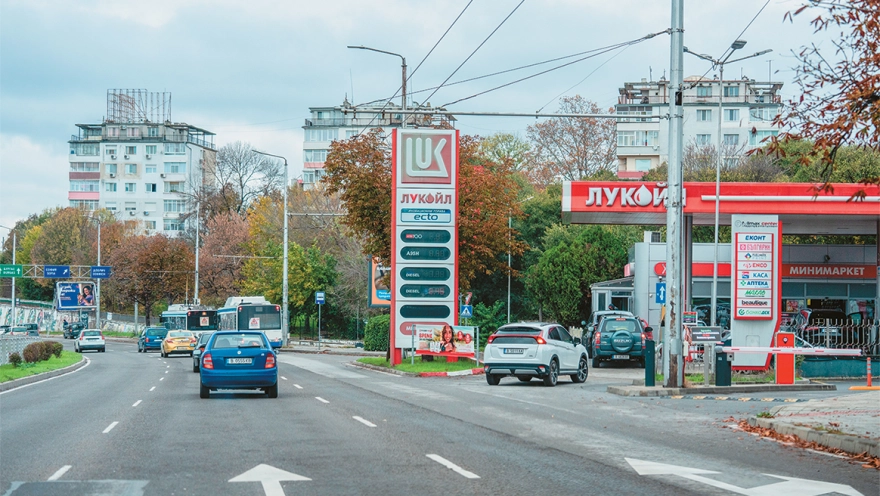
Travel to Bulgaria remains inexpensive, largely due to fuel prices. As of December 1, 2025, the price of unleaded petrol (95 octane) stood at €1.21 per liter in Bulgaria, compared with an average of €1.765 per liter in Greece—a difference of €0.55 per liter. Filling a 50-liter tank costs about €60.50 in Bulgaria versus €88.25 in Greece, saving nearly €28 per fill-up.
Similar gaps exist for diesel and LPG, driven mainly by lower fuel taxes in Bulgaria. If planned tax increases continue to exclude fuel, this advantage may grow further, intensifying pressure on Greek border businesses. In Rodopi prefecture alone, 50% of petrol stations have already closed.
Supermarkets and consumer goods
Price trends for consumer goods are mixed. Some items remain cheaper in Bulgaria—such as bottled water, alcohol, beef, sausages, ready meals and pet products—while others are now cheaper in Greece, including pasta, cereals, sugar, olive oil, eggs and hygiene products. Clothing, footwear, household goods and cosmetics remain significantly cheaper in Bulgaria, even if quality is often lower.
Greeks have also long sought cheaper services in Bulgaria, including dental work and cosmetic procedures, which continue to cost far less than in Greece.
Tourism dynamics
Bulgaria remains highly competitive in winter tourism, offering lower prices for accommodation, food and recreation. This continues to attract Greek visitors and challenges domestic tourism in Northern Greece.
By contrast, Bulgarian tourism to Greece is booming. In peak season, 262,000 Bulgarians visited Greece, making it their top destination. Road arrivals from Bulgaria reached over 5.2 million in 2024 and are expected to approach pre-pandemic record levels.
Real estate investments
More than 3,500 Bulgarians have purchased homes in Northern Greece, many operating them as short-term rentals. Total Bulgarian real estate investments exceed €127 million. Rising property prices in Sofia are pushing more investors toward Greek coastal areas, where prices remain comparatively affordable.
In some regions, such as Kavala, Bulgarians now account for around 50% of property buyers. This trend has caused concern among local Greeks, not only due to economic competition but also because of historical sensitivities linked to past occupations.
Trade relations and “shell companies.”
Bulgaria remains Greece’s strongest trading partner in the Balkans and its fourth-largest export market. However, Greek exports to Bulgaria have declined sharply over the past two years.
At the same time, more than 18,000 Greek companies are registered in Bulgaria, many attracted by the 10% corporate tax rate. Greek tax authorities have launched extensive audits, uncovering thousands of “shell” companies with little or no real activity. Those found fictitious may be taxed in Greece.
Political instability and public fears
Bulgaria’s political crisis continues, with mass protests and the prospect of an eighth election in four years. While eurozone entry is seen as an opportunity, public opposition remains strong—over 55% of Bulgarians fear price hikes, inflation, and loss of sovereignty, citing Greece’s experience after joining the euro.
Early price increases in basic goods and services following the finalization of euro entry have only reinforced these concerns.
Ask me anything
Explore related questions




