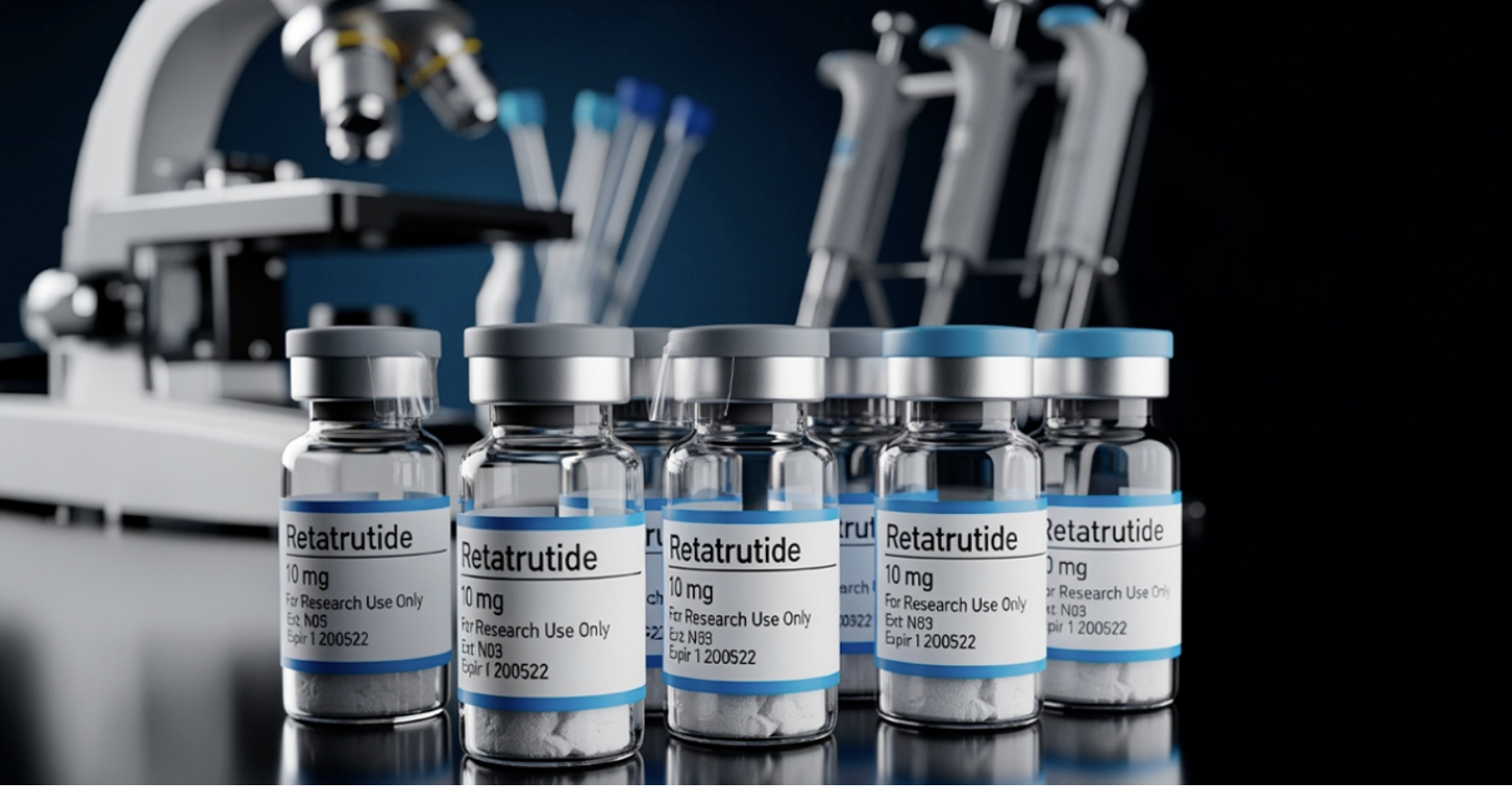
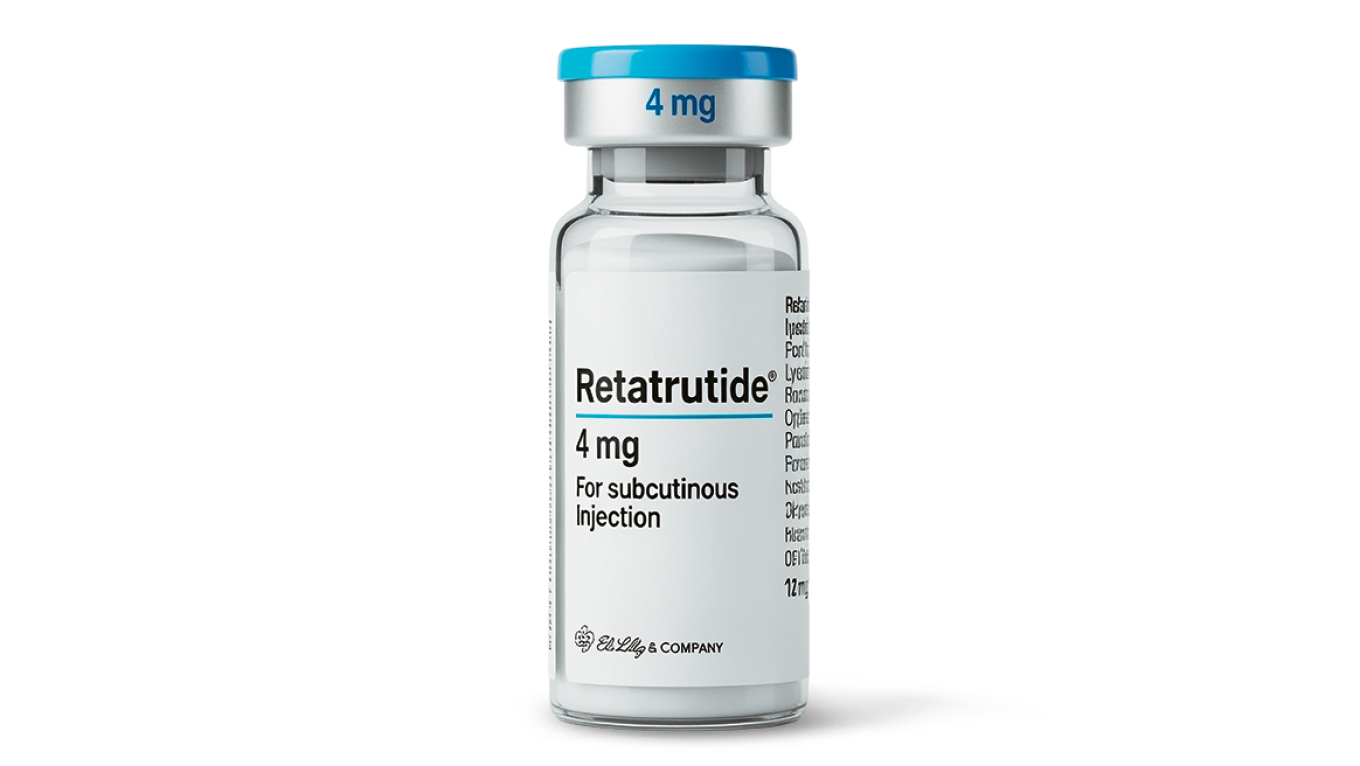
Retatrutide enters the weight-loss battle – “Magic drug No. 3,” reduces body weight by 25%
Retatrutide targets metabolism, appetite, and energy expenditure, promising impressive results. Clinical trials are being completed at the end of March, with market release expected shortly thereafter
Panagiota Karlatira
Δείτε περισσότερα άρθρα μας στα αποτελέσματα αναζήτησης
2025 is already being recorded as a landmark year in the field of obesity. 2026, however, begins with even greater expectations.
Last December, for the first time, a therapy in this category became available in pill form, dramatically expanding options for patients and physicians. The GLP-1 obesity pill, oral semaglutide (by Novo Nordisk), was approved by the Food and Drug Administration (FDA) and has been available in the United States since January 2026.
In 2026, the spotlight turns to retatrutide (by Eli Lilly), an innovative triple agonist of GLP-1/GIP/glucagon receptors, which in clinical studies has demonstrated weight loss approaching 25%. The upcoming FDA evaluation of this new injectable therapy at the end of March is being awaited with great interest by the scientific community, as it could represent the next major step in the pharmacological treatment of obesity.
If oral semaglutide represents expanded access (beyond injections), retatrutide appears to represent an expansion of biological targeting itself. As an injectable triple agonist of GLP-1, GIP, and glucagon, it simultaneously affects appetite, energy expenditure, and metabolism.
The Modern Challenge
Five years after the approval of semaglutide as a weight-loss treatment—while it was initially marketed for type 2 diabetes—scientific progress shows that moment was only the beginning of a much faster and more decisive evolution. The therapeutic landscape is changing at a pace that would have been hard to predict in 2021, confirming that the treatment of metabolic diseases is entering a new era.
This is no coincidence. Obesity is now one of the most significant challenges of modern medicine. It is not merely an issue of body weight or aesthetics, but a chronic, multifactorial disease with clear biological mechanisms and serious public-health consequences. It is associated with an increased risk of type 2 diabetes, cardiovascular disease, hypertension, dyslipidemia, fatty liver disease, and increased mortality.
For decades, obesity management relied mainly on lifestyle interventions and, in severe cases, bariatric surgery. Since 2020, however, obesity pharmacology has undergone a true revolution.
This new era was marked by the release of semaglutide 2.4 mg (Wegovy) and, a few years later in 2023, by the approval of tirzepatide (Mounjaro)—both of which redefined therapeutic expectations. We are already moving into the next phase of this rapid evolution.
The First GLP-1 Pill
On December 22, 2025, the FDA approved oral semaglutide 25 mg for the chronic management of obesity and for reducing cardiovascular risk in adults with a BMI ≥30 kg/m² or ≥27 kg/m² with related comorbidities.
This is the first fully approved oral GLP-1 therapy for obesity. Delivering peptide drugs in pill form has long been a challenge, as they are easily degraded in the stomach and poorly absorbed through the intestine.
The innovation is not only pharmacological but also practical: pill administration is expected to significantly improve adherence and remove psychological barriers associated with injections. It is noted that the European Medicines Agency (EMA) has already approved oral semaglutide as a treatment for type 2 diabetes.
“Semaglutide is a peptide analogue of the natural GLP-1 hormone, with modifications that increase stability and duration of action. At a molecular level, it closely resembles human GLP-1 and acts as a receptor agonist, activating brain regions that regulate appetite and satiety, thereby reducing energy intake,” explains Stavroula Paschou, Assistant Professor of Endocrinology at the Medical School of the National and Kapodistrian University of Athens.
“It also slows gastric emptying and improves glucose regulation by increasing glucose-dependent insulin secretion and reducing glucagon activity.”
Regarding safety, mostly mild to moderate gastrointestinal side effects (nausea, vomiting, diarrhea) were observed, similar to injectable GLP-1 formulations.
The new pill uses a special technology that protects semaglutide from intestinal degradation and enhances absorption, allowing patients to take one tablet with water on an empty stomach, waiting about 30 minutes before eating or taking other medications. Dosage starts at 1.5 mg daily and increases gradually every 30 days to the target dose of 25 mg to optimize tolerability.
A New Era
If oral semaglutide broadens access, retatrutide is expected to push the boundaries of effectiveness.
Retatrutide is a triple agonist of GLP-1, GIP, and glucagon receptors. By simultaneously activating three hormonal pathways, it reduces appetite while increasing energy expenditure.
In Phase 2 trials, average weight loss reached or exceeded 24–25% at higher doses—figures approaching those of bariatric surgery.
“If these results are confirmed with long-term safety, we are entering a new era of pharmacotherapy with power comparable to surgical treatment,” notes Professor Paschou.
Significant improvements were also observed in glycemic control, lipid profile, and cardiometabolic risk markers. Side effects were mainly gastrointestinal and similar to other GLP-1 agonists. Based on these data, a fast-track review has been requested from the FDA, while Phase 3 trials are ongoing.
“Prevention”: Free Treatment in Greece
Pharmacological treatment for adult obesity, as well as prevention and management of childhood obesity, are major public-health goals set by the Ministry of Health and implemented by Deputy Health Minister Eirini Agapidaki through the “Prevention” (Prolambano) program.
The Adult Obesity Program includes free medical follow-up, nutritional counseling, and access to innovative medications at no cost. Approved drugs include tirzepatide (Mounjaro) and semaglutide (Wegovy), as well as liraglutide (Saxenda), naltrexone/bupropion (Mysimba), and orlistat (Xenical).
So far:
14,309 citizens have received free medical and nutritional care
12,467 prescriptions for innovative obesity drugs have been filled
Over 500 public health facilities and 6,500 pharmacies participate nationwide
A total of 36,360 beneficiaries have been enrolled, mostly aged 50–70. Many were identified through the free cardiovascular screening program.
Thousands of children and adolescents with excess weight also receive free specialized support through the National Action Against Childhood Obesity, implemented by the Ministry of Health with support from UNICEF.
At its core is the nutritional tele-counseling service of the Harokopio University, offering 12 personalized sessions for children aged 2–17 across Greece. To date, 1,128 children have joined the program, with 80% showing a reduction in BMI within the first three months, while up to 1,000 appointments per week are conducted.