





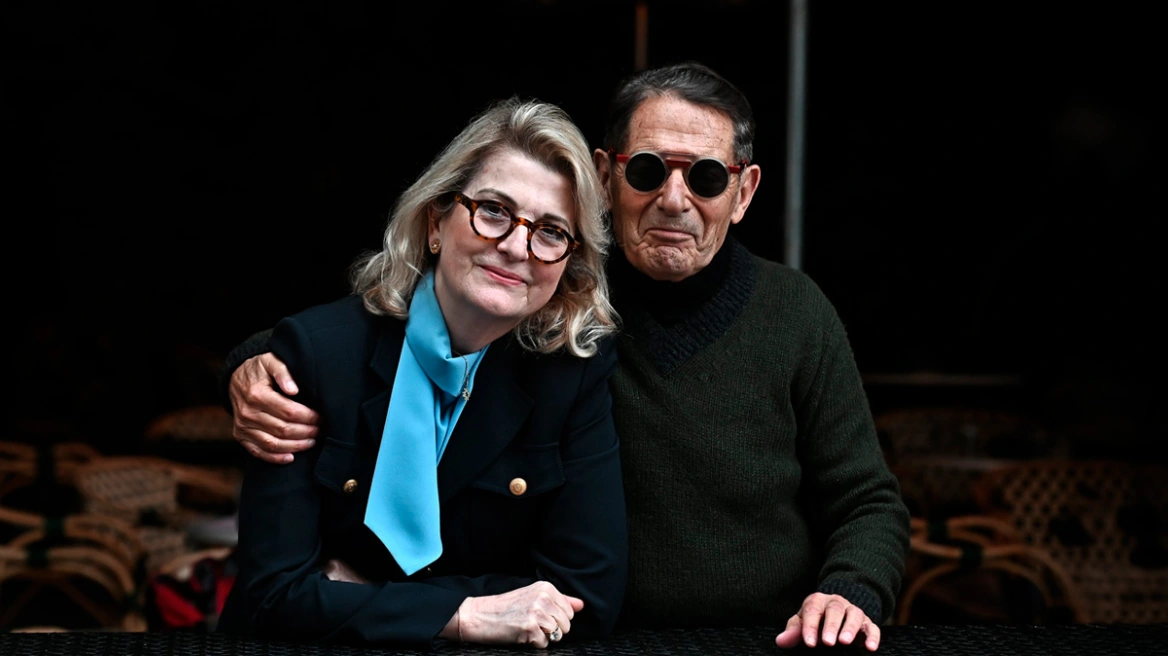
“There are many myths about 1821”
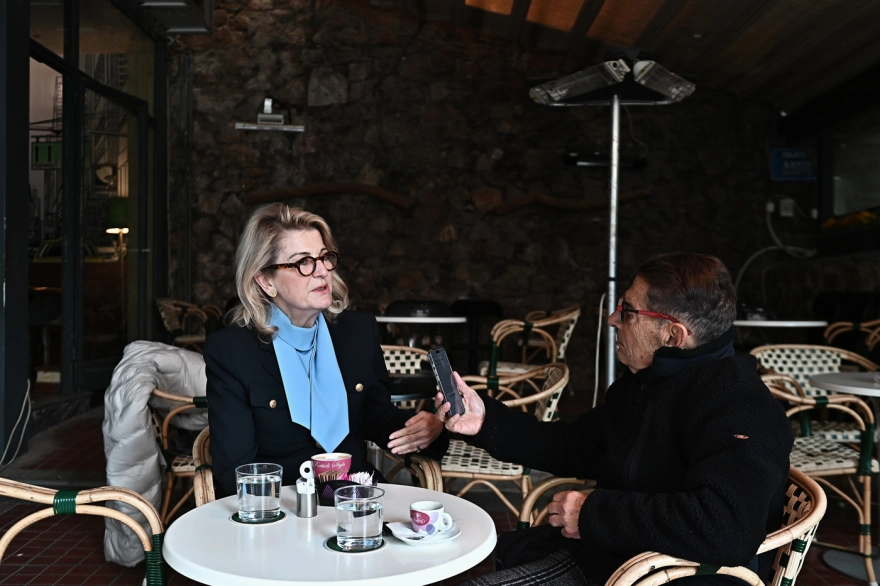
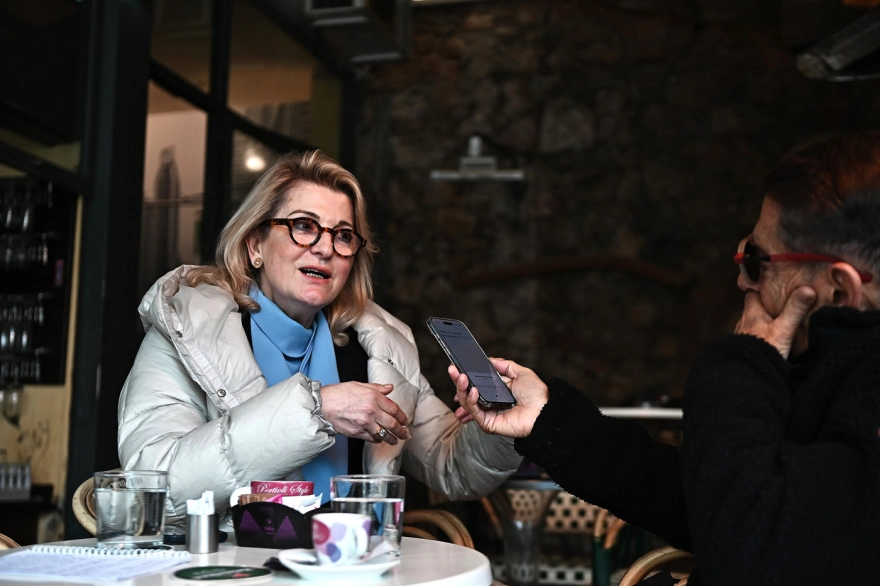
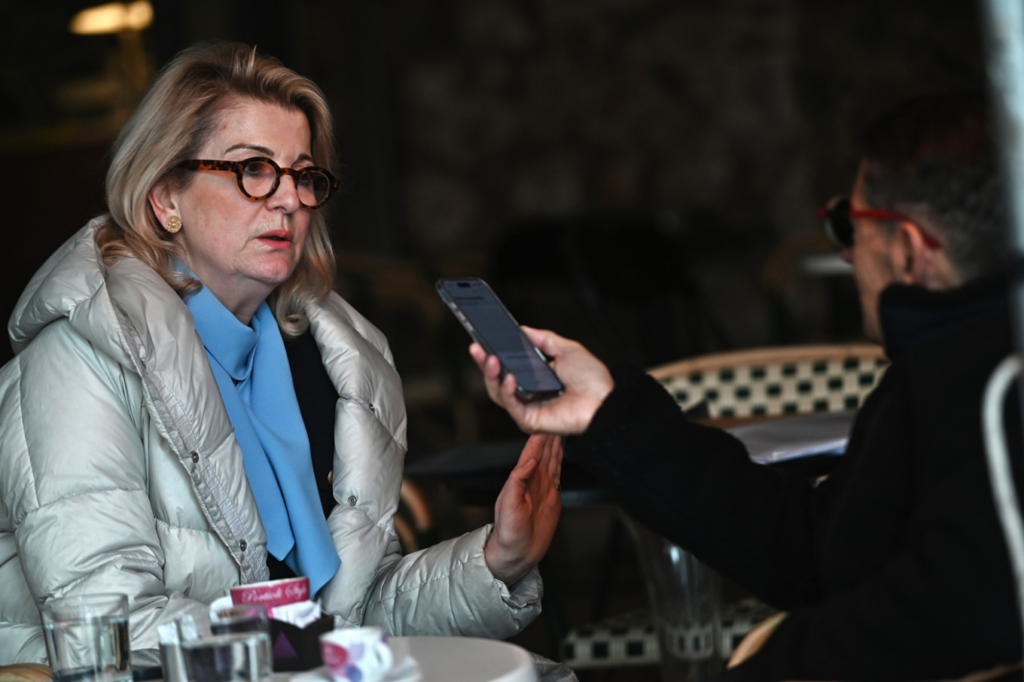
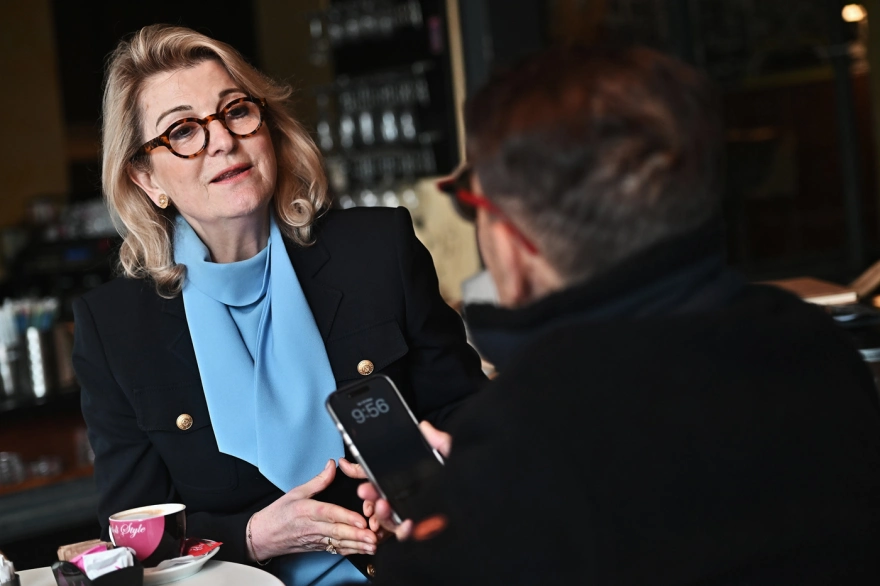
Fotini Tomai explains that while there is abundant historical evidence about the Greek Revolution, many myths persist.
In the second part of her interview, historian Fotini Tomai sheds light on lesser-known aspects of the Greek War of Independence, challenging long-standing myths and highlighting the crucial role played by foreign supporters—particularly Americans.

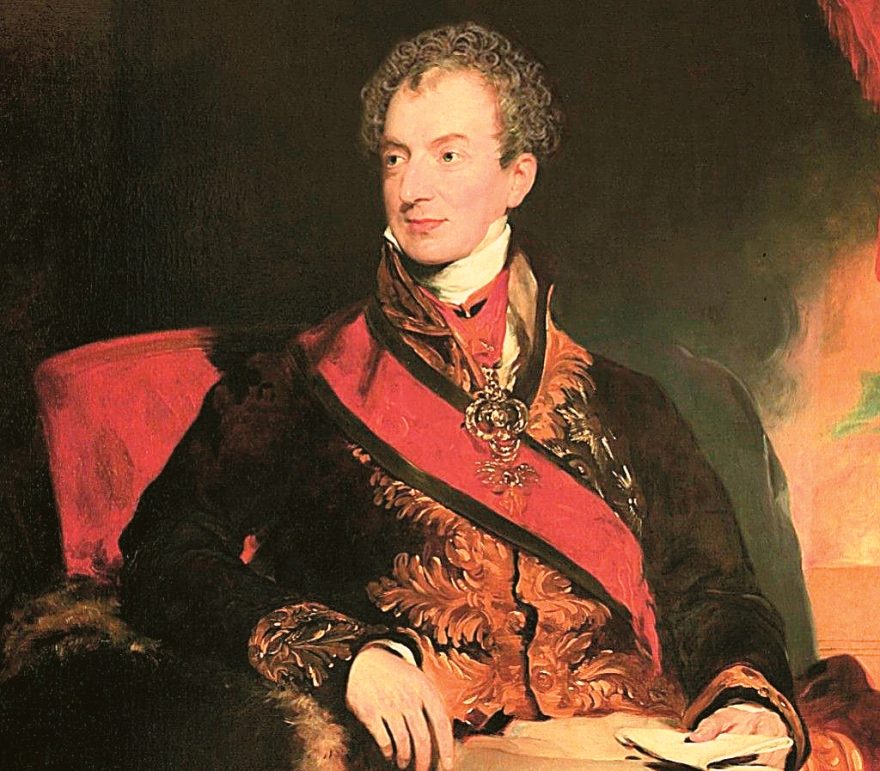
Tomai emphasizes that, despite the abundance of historical sources, misconceptions about the 1821 Revolution remain widespread. One of the most persistent myths is that the Great Powers actively supported the Greek struggle from the outset. In reality, she explains, the major European powers were largely opposed to the creation of an independent Greek state. Britain sought to maintain stability in the region, France was locked in rivalry with Britain, and Austria, under Metternich, was openly hostile to revolutionary movements. Even Russia, often perceived as a natural ally due to shared Orthodox faith, was initially cautious and reluctant to intervene.
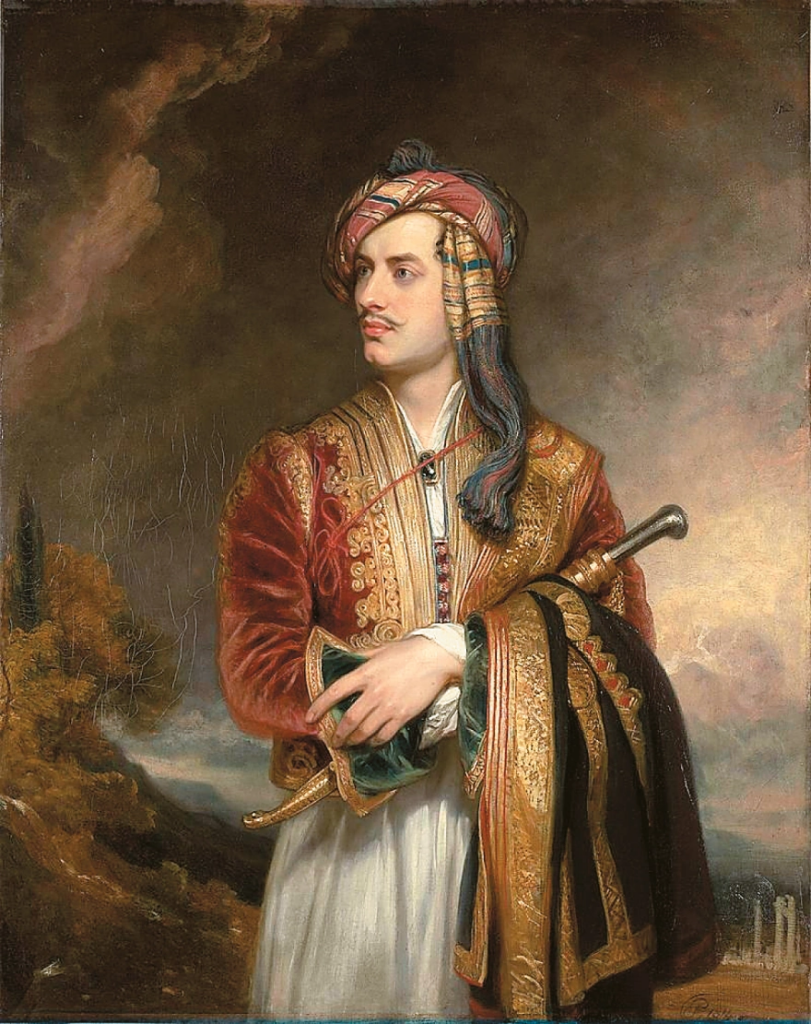
Within this complex international environment, philhellenism emerged as a powerful force. Rooted in admiration for ancient Greek civilization and fueled by Romantic ideals, the movement attracted individuals from across Europe and beyond. However, Tomai notes that not all philhellenes were driven by pure motives. Alongside genuine idealists were opportunists, adventurers, and even individuals sent as spies by foreign powers.
In contrast, she highlights the particularly sincere and selfless support shown by Americans. Having recently fought their own war of independence, many in the United States felt a deep connection to the Greek cause. Philhellenic committees were established in American cities, organizing fundraising campaigns, public events, and the collection of essential supplies. Women played a key role, sewing clothes and preparing aid shipments for the struggling Greek population.
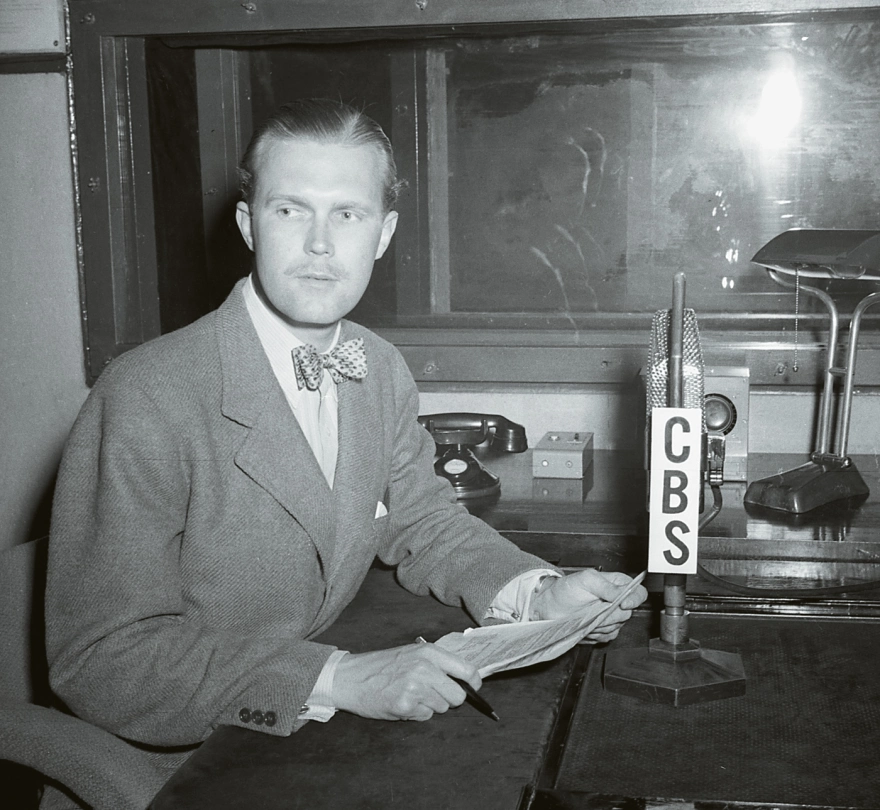
Among the most notable American supporters was Samuel Gridley Howe, a doctor who raised significant funds and personally delivered food and assistance to Greece. Another prominent figure was George Jarvis, the son of a U.S. diplomat, who fully immersed himself in Greek society and actively participated in the struggle.
One of the most remarkable stories is that of James Williams, an African American who joined the Greek fight for independence. Initially working as a cook aboard a ship, Williams took part in battles, was wounded in combat, and later served as a spy in Messolonghi, even disguising himself as an Ottoman. His bravery earned him the respect of Greek fighters, and he eventually became secretary to Theodoros Kolokotronis.
Tomai explains that American support was not accidental. The ideals of ancient Greek democracy had deeply influenced the American Revolution, and many Americans saw parallels between their own struggle against British rule and the Greek fight for freedom. This sense of shared history and values fostered a strong emotional and ideological bond.
Over time, the stance of the European powers began to shift. Greek military successes, combined with widespread outrage over atrocities against civilian populations, gradually altered the diplomatic landscape. What began as reluctance eventually turned into intervention, paving the way for Greek independence.
The interview also touches on later historical developments, including the murder of American journalist George Polk in Thessaloniki during the post-war period. Polk had reportedly been investigating the misuse of American aid funds when he was killed, in a case that remains controversial.
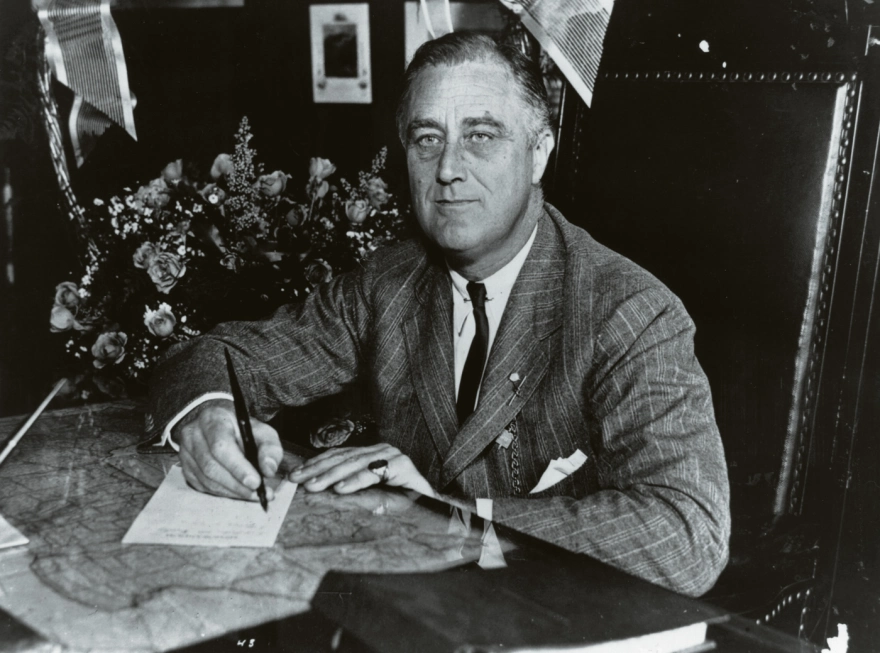
Tomai goes further, suggesting that history might have taken a different course had U.S. President Franklin D. Roosevelt lived longer. In her view, his leadership could have limited British influence in Greece and possibly prevented the outbreak of the Greek Civil War.
Concluding her analysis, Tomai underlines a key point that challenges conventional narratives: among all foreign supporters of the Greek Revolution, Americans stood out for the sincerity and selflessness of their contribution—often surpassing that of many European allies.
Ask me anything
Explore related questions




