





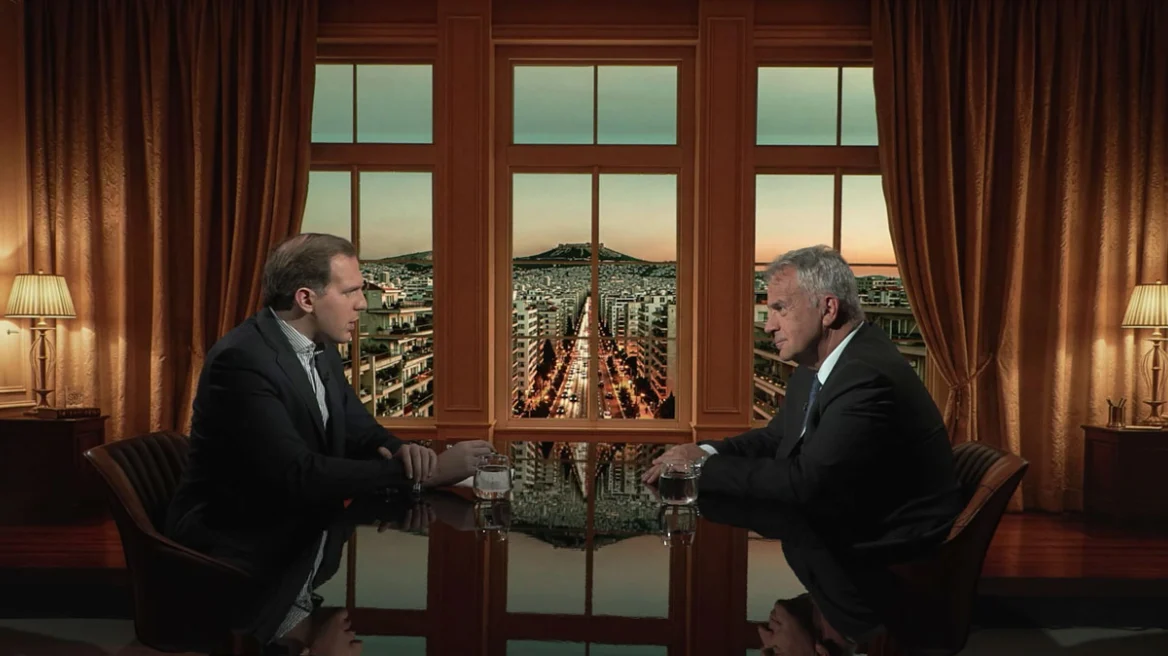
Speaking to ProtoThema’s Direct program, he argued that the case files lack a solid legal basis and described the wave of ministerial resignations that followed as “excessive,” at a time when the case had already caused political turbulence and government departures.
“I’m torn about voting in favor of lifting immunity—they are completely legally unfounded,” Voridis said, adding that a review of the case files “does not reveal any actions that would justify such severe political consequences, such as ministerial resignations.”
He insisted that in his own case, “there was no objective finding of wrongdoing,” calling on critics to specify exactly what illegal act he allegedly committed. “Someone needs to tell me what I did. Was there any damage to the state?” he said, stressing that political actions should not be subject to criminal prosecution.
Referring to his resignation—submitted after his name appeared in the initial case file—Voridis clarified that he was not asked to step down but chose to do so himself, stating: “I will not tolerate even the slightest suspicion that I am using the power of my office.” He added that the parliamentary inquiry found no unlawful conduct on his part.
Commenting on other government resignations linked to the case, he criticized what he described as “an automatic resignation process, even without substantive grounds,” emphasizing the need for careful evaluation rather than reflexive reactions.
He also highlighted the role of Parliament, stressing that MPs have “an obligation to examine each case file individually,” and argued that when a case αφορά parliamentary duties, criminal prosecution should not be pursued. “I don’t want to find myself accused just because I forwarded a citizen’s request,” he noted.
Voridis warned that broadly approving requests to lift parliamentary immunity could set a dangerous precedent: “If we vote for these, we’re essentially saying that an MP could be prosecuted over something as simple as an email.”
He also addressed case files from the European Public Prosecutor’s Office, noting that criticism of them “does not amount to discrediting” the institution, while acknowledging that European prosecutors are “highly capable officials”—which, he said, makes thorough case evaluation even more important.
On the political front, he dismissed speculation of a rift between the Prime Minister’s office and the ruling party’s parliamentary group, while leaving open the possibility of broader institutional reforms—such as separating the roles of minister and MP—calling it a potential “transformational reform.”
Finally, he commented on international developments, including tensions involving Iran, predicting a slowdown in the economy due to geopolitical instability, while noting that the government is taking measures to mitigate the impact.
Ask me anything
Explore related questions




