





On Wednesday evening, the Ministry of Infrastructure and Transport announced the largest overhaul of urban transportation in decades, unveiling a broad intervention plan covering buses, the Metro, the electric railway, and digital services, aiming to improve daily commuting in Athens.
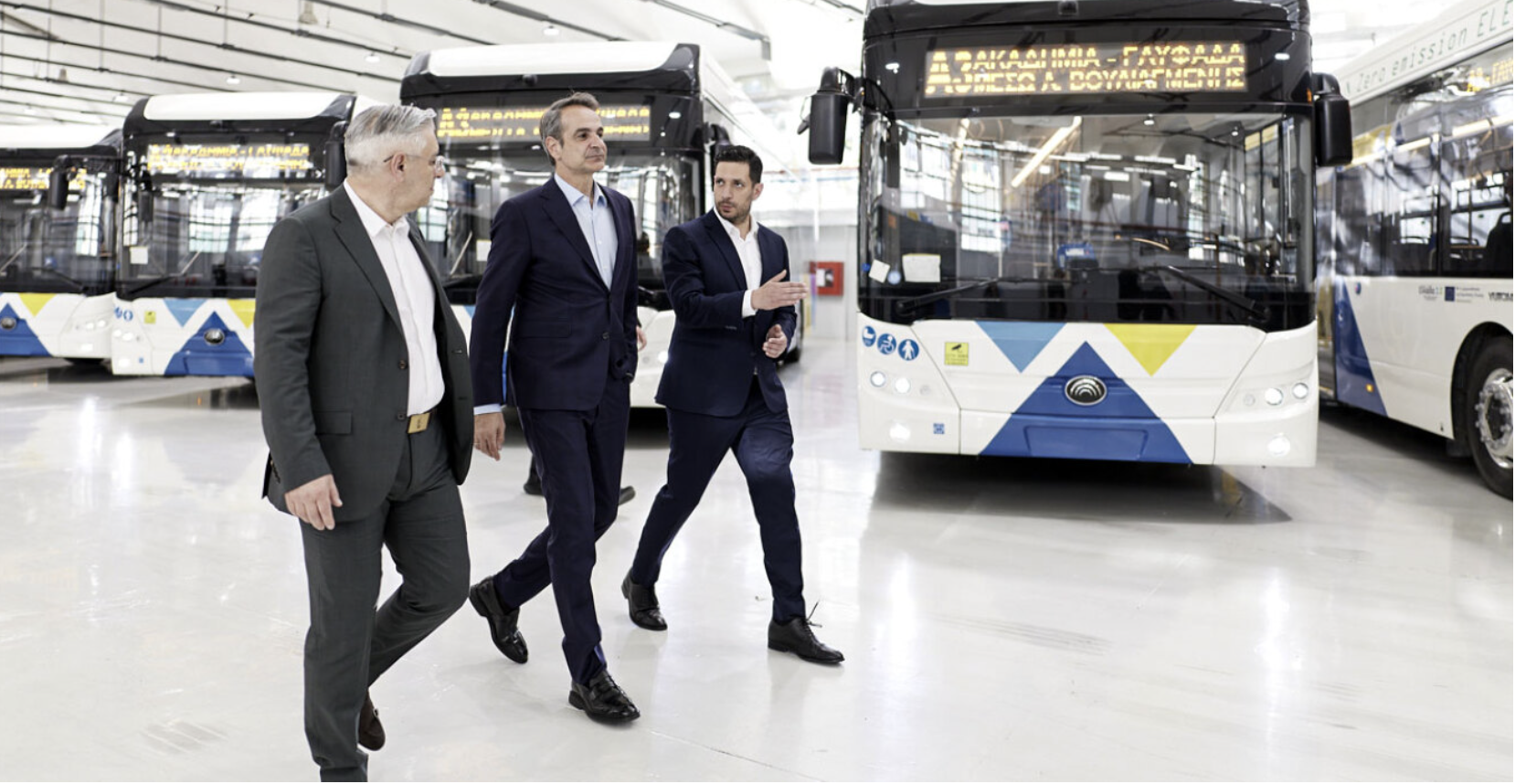
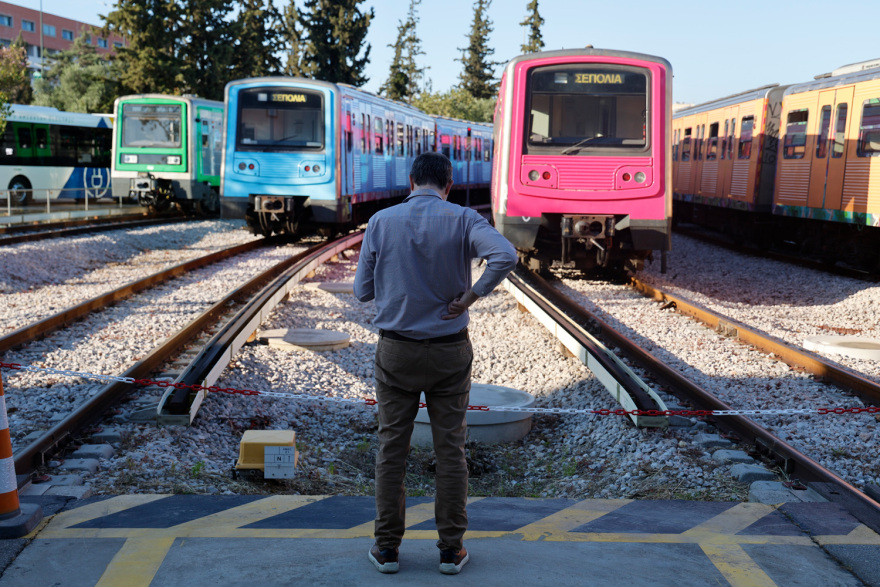
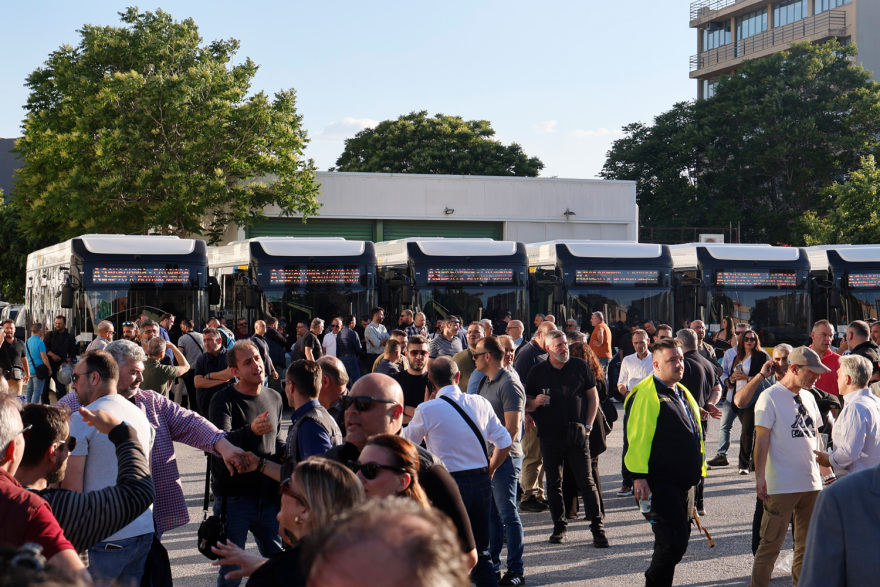
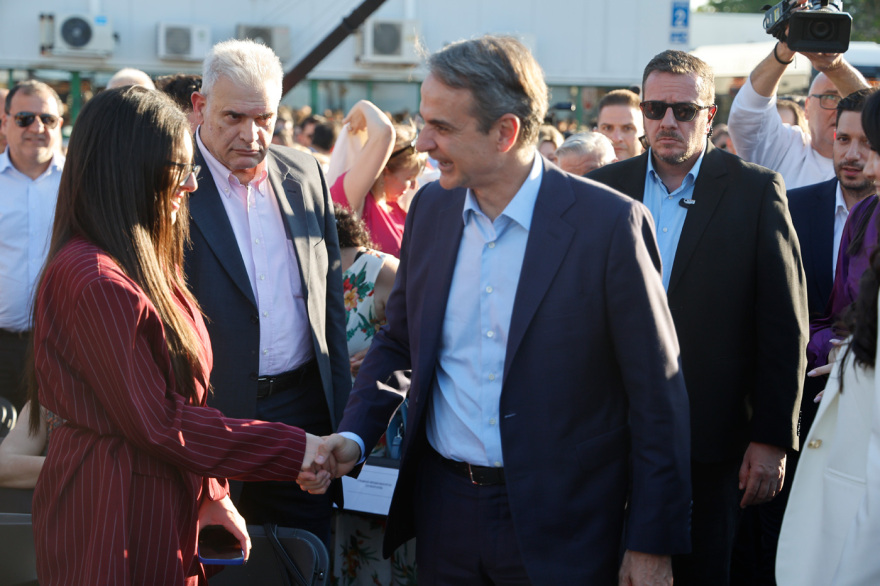
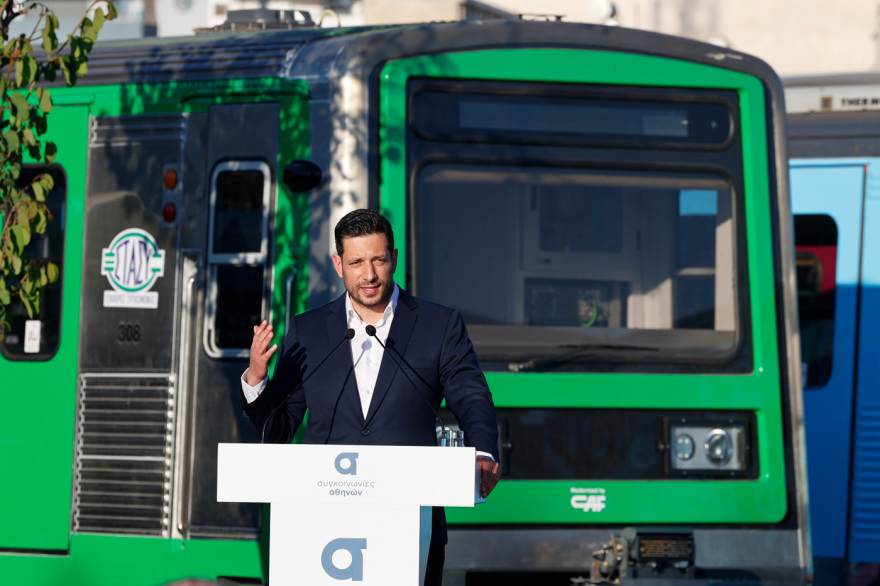
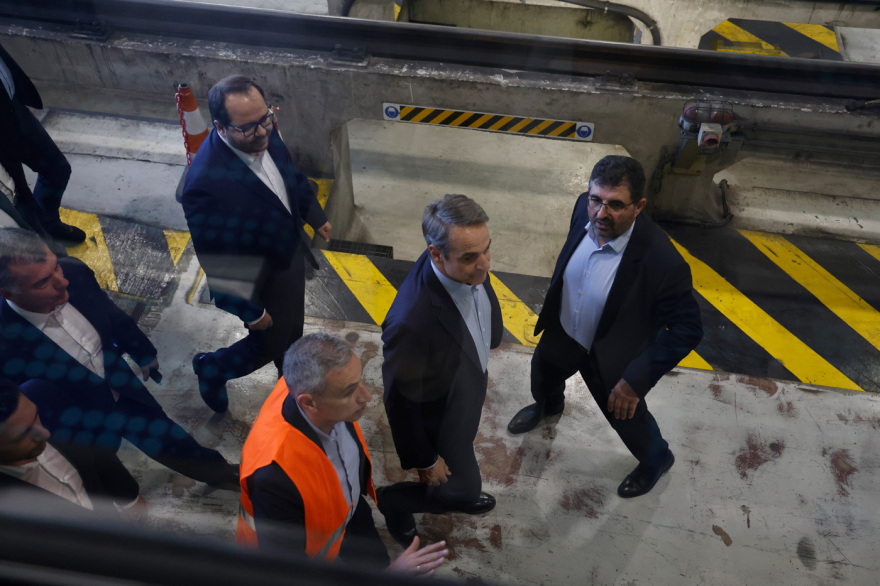
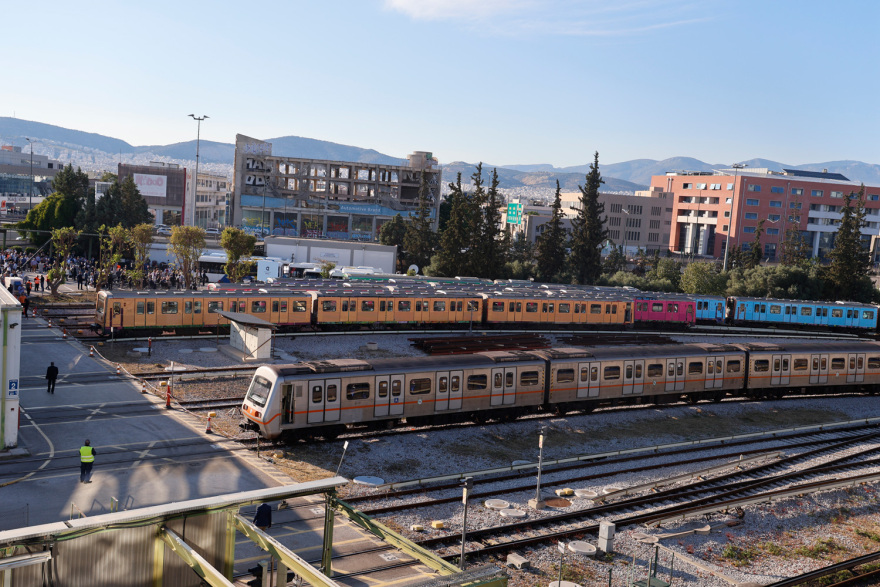
The announcements were made by Deputy Transport Minister Konstantinos Kyranakis during an event titled “Public Transport is Changing Athens,” held at the STASY depot in Sepolia, in the presence of Prime Minister Kyriakos Mitsotakis.
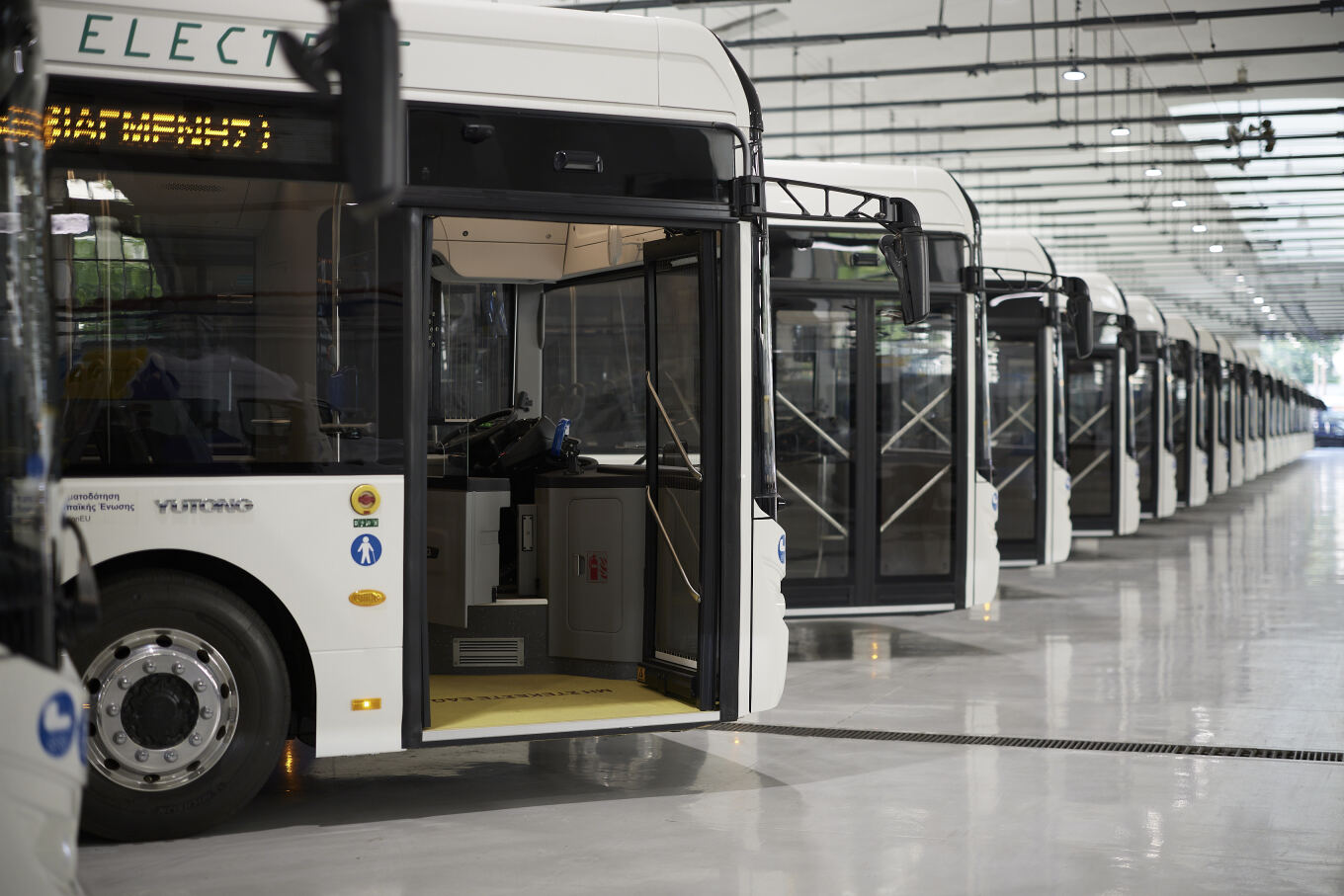
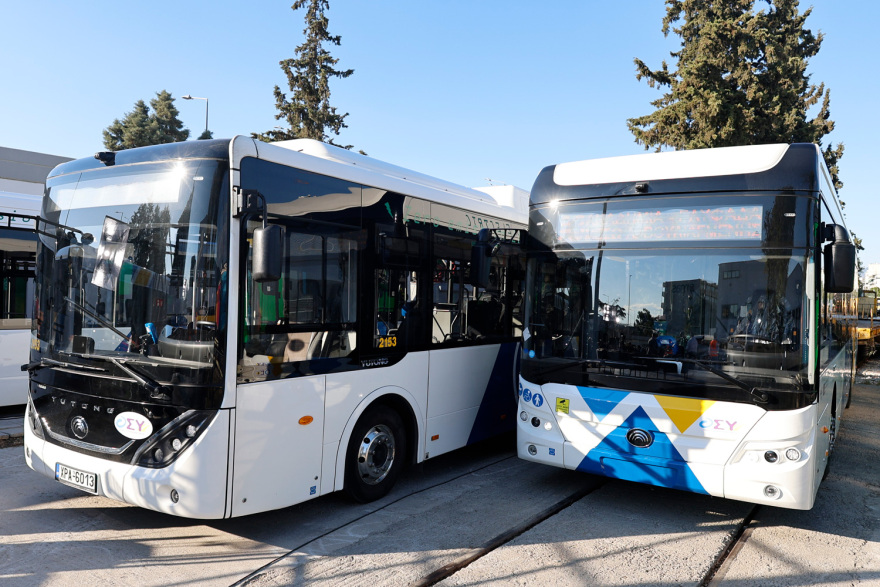
At the center of the plan is the renewal of the bus fleet, with more than 1,076 new vehicles already added to service, while the total target is expected to reach 1,700 new buses within the next two years. According to the announcements, the new vehicles use anti-pollution technology, with part of the fleet being electric, strengthening “green” urban mobility.
At the same time, changes are also being introduced to high-traffic “model lines,” aiming for more frequent and reliable services. The interventions concern 15 major bus routes, where waiting times are expected to be significantly reduced.
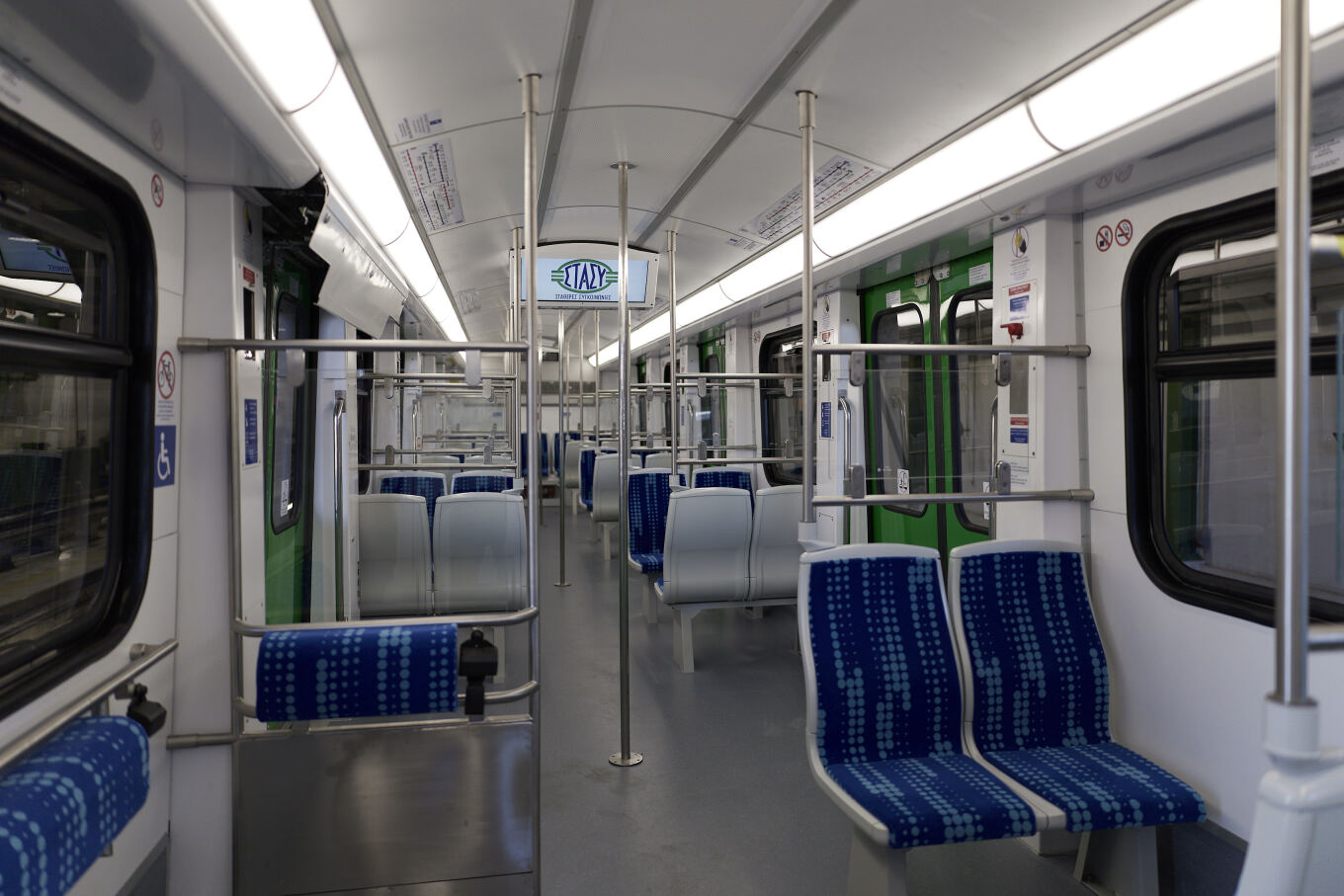
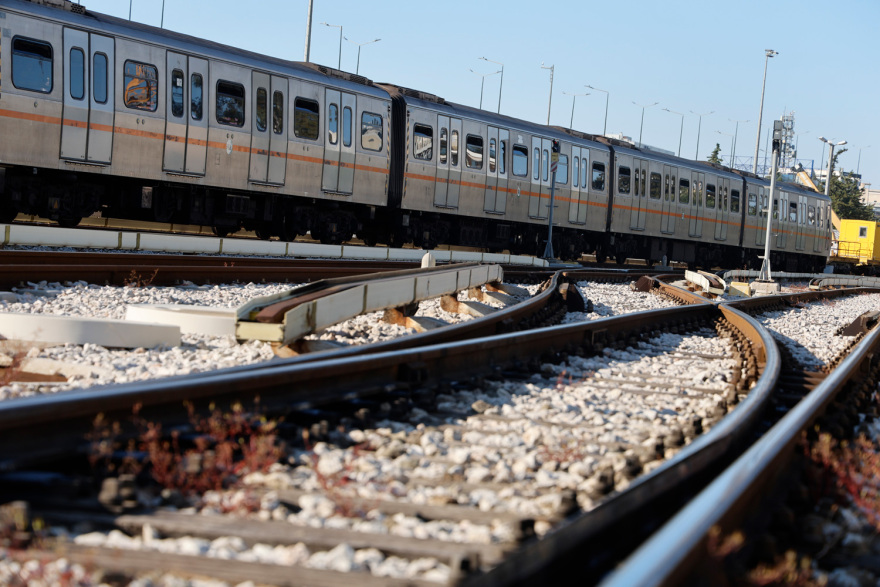
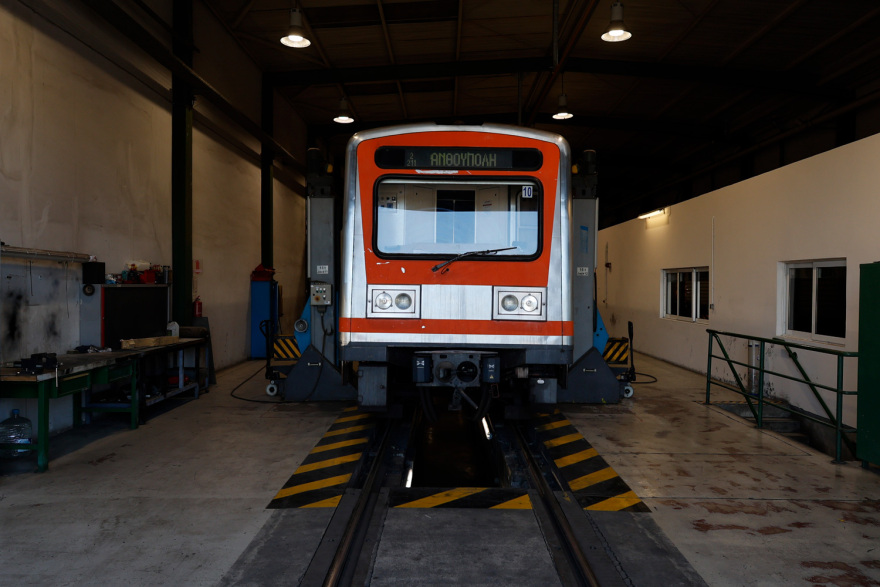
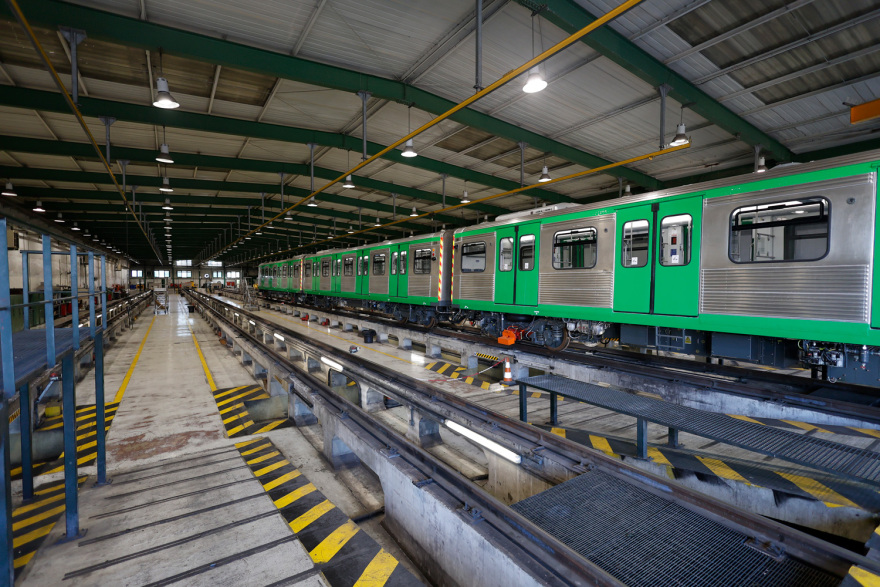
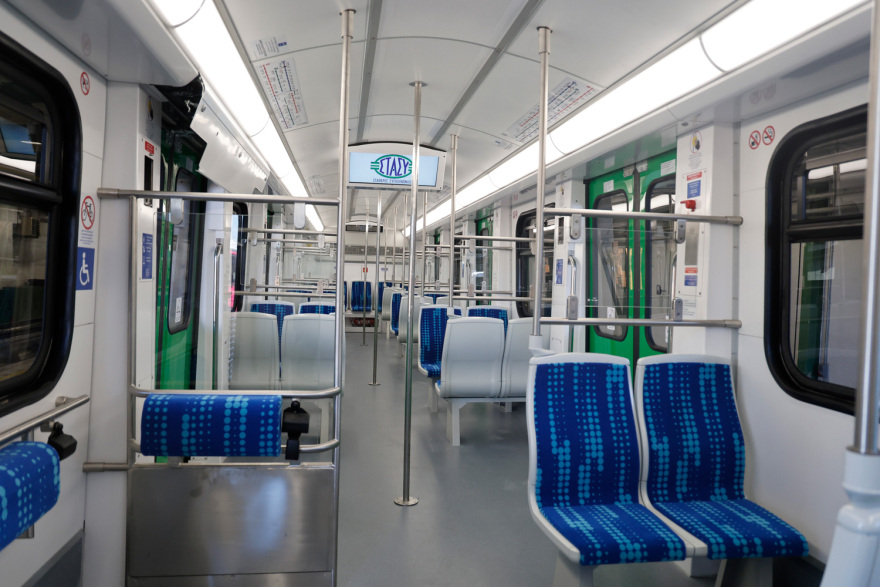
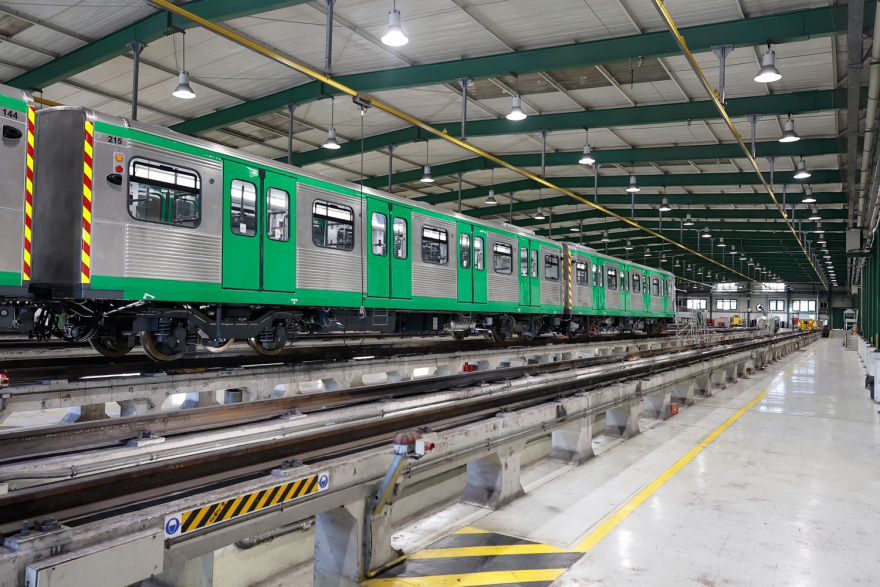
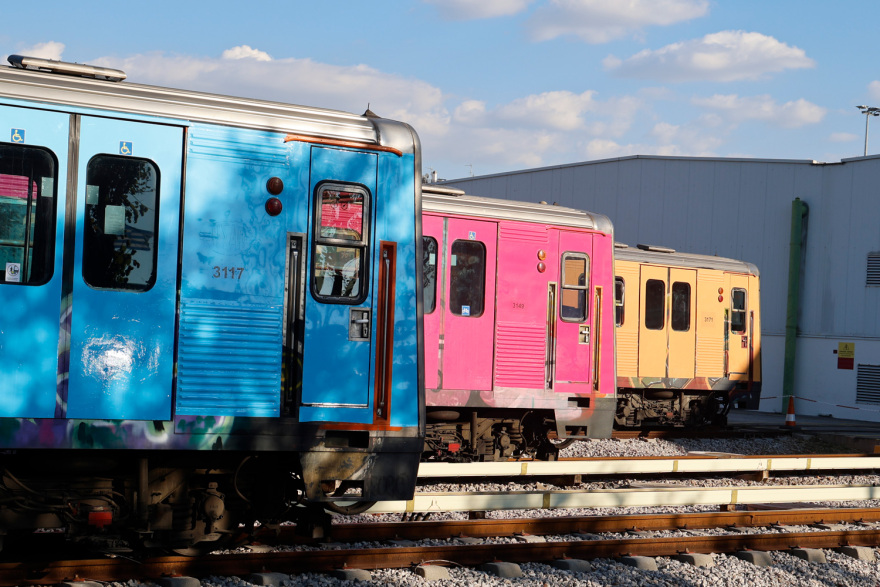
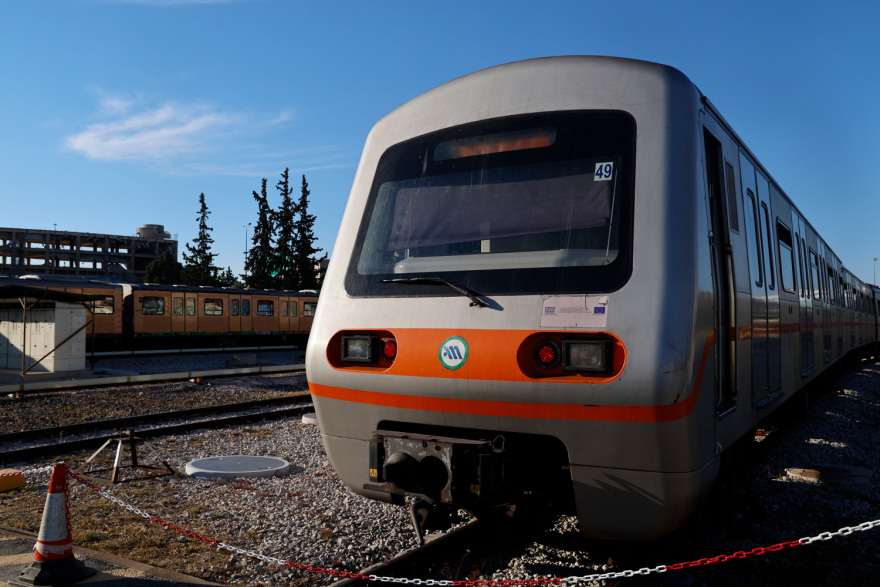
Major upgrades are also planned for fixed-track transport systems such as the Metro and the electric railway. According to the announcements, 19 next-generation train sets will be purchased for Metro Lines 2 and 3, alongside infrastructure upgrades. At the same time, a full reconstruction program for 14 train sets on Line 1 of the electric railway is underway.
According to STASY, these interventions are expected to significantly reduce waiting times at stations. In particular, on Line 1 (ISAP), intervals during peak hours are expected to be reduced to as little as five minutes, while on Metro Line 3 the goal is trains every 3.5 minutes by 2027.
Special emphasis is also being placed on the digital transformation of public transport, through the use of real-time data and artificial intelligence applications for monitoring and managing the network. The goal is faster problem resolution and improved route reliability.
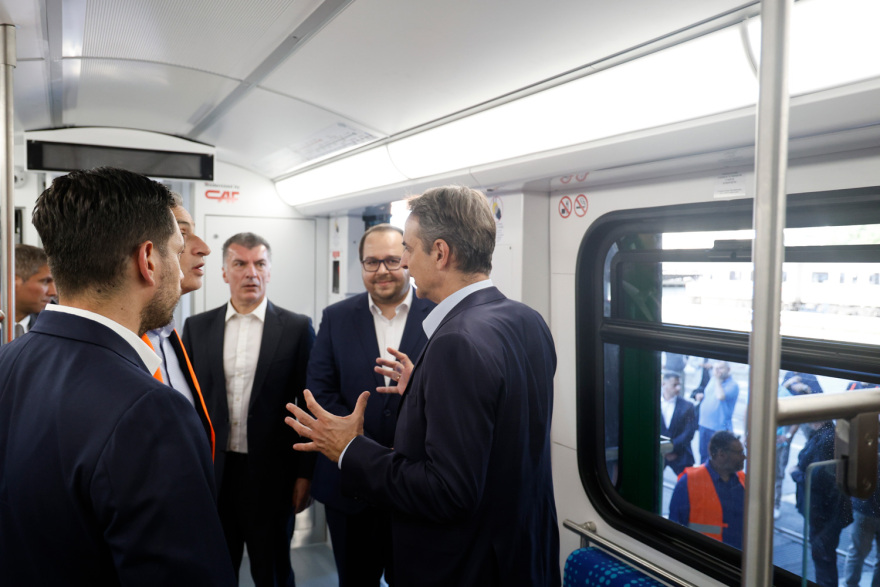
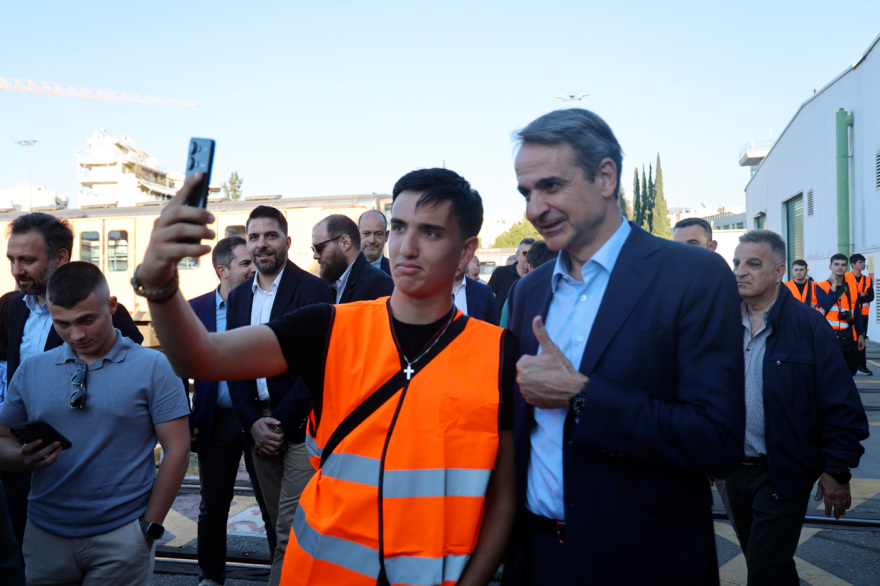
During the event, five new specially designed vehicles for transporting people with disabilities were also presented, joining services for citizens with reduced mobility. Kyriakos Mitsotakis visited both the OSY depot, where he inspected the new electric buses, and the STASY depot in Sepolia, where the first fully reconstructed Line 1 train was presented.
The government described the project as a comprehensive investment in the capital’s public transportation system, focusing on fleet renewal, increased route frequency, digital modernization, and improving the commuting experience for citizens.
Mitsotakis: We are upgrading transport with new trains, new buses, and new staff hires
Kyriakos Mitsotakis recalled that since 2022 the government has operated under the slogan “we said it, we did it,” arguing that this is now reflected in measurable results for Athens transport. “With great satisfaction, I see improvements in citizens’ evaluations of public transport in the Attica basin,” he said, while acknowledging that many more steps still need to be taken.
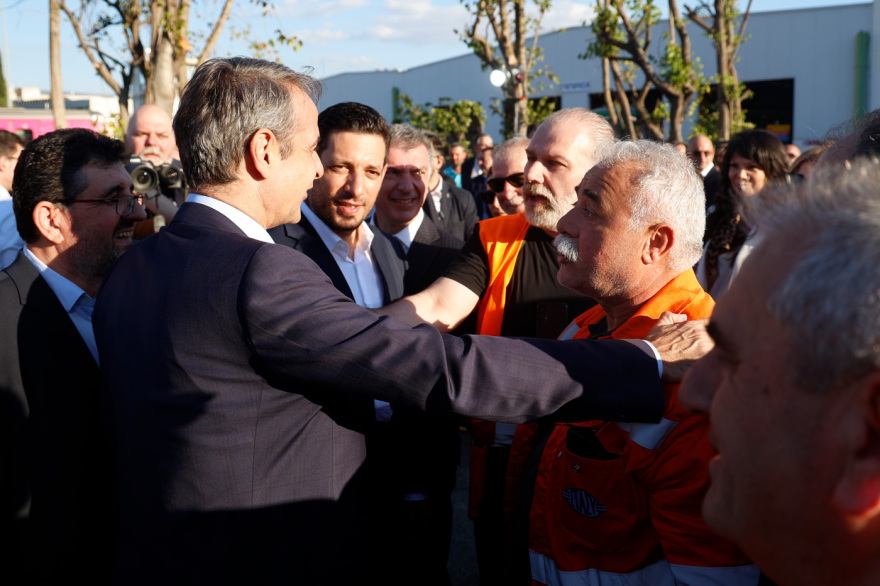
The Prime Minister also emphasized support for public transport employees, announcing the signing of collective labor agreements as agreed between unions and managements. He described this as “a tangible thank you and recognition” for frontline workers, stressing that their wages should reflect the major effort they make daily.
“We recognize the contribution of employees to improving the image of urban transportation,” he said.
Mitsotakis also referred to plans for more frequent routes and fleet expansion, noting that new train sets are already being introduced, with the goal of reaching 3.5-minute intervals during rush hour. He added that the government will use all available funding tools for the overall modernization of public transportation in the capital.
He also highlighted the policy of maintaining low ticket prices, describing it as a deliberate social policy choice, noting that Athens has “the cheapest ticket in all of Europe.” He added that efforts against fare evasion would continue so that “if we provide a service, we all pay for it fairly.”
Kyranakis: The biggest transformation of urban transport in decades
Deputy Minister Konstantinos Kyranakis, accompanied by Transport Secretary General Stelios Sakaretsios and the CEOs of OASA, STASY, and OSY, presented the key reforms being implemented in urban transportation, focusing on fleet renewal, modernization of rail systems, additional routes, and significantly improved service frequency.
He noted that the major increase in passenger traffic, especially on buses, reflects the return of more and more citizens to public transportation through a combination of interventions already fully underway:
- The largest bus fleet renewal program in decades, with more than 1,076 new vehicles already in operation and a target of 1,700 new buses within the next two years.
- Interventions to improve waiting times on 15 high-traffic “model routes,” aiming for denser and more reliable schedules.
- Strengthening fixed-track transport with 19 new-generation train sets for Metro Lines 2 and 3, alongside infrastructure upgrades.
- The extensive reconstruction program for 14 Line 1 trains, expected to reduce waiting times to five minutes during peak hours.
Kyranakis emphasized:
“For us, public transportation is much more than infrastructure, vehicles, and routes. It is the daily dignity of the citizen. It is someone reaching their destination safely, consistently, and respectfully. It is the worker’s right to get to work, the young person’s right to get to university, the elderly person’s ability to move easily, and the family’s opportunity for a better everyday life.
Because just as in every journey, in politics too we must remember where we started. What our starting point was in 2019. Where we are today, in 2026. And above all, how we continue from here on. With more projects, more responsibility, and more care for citizens.
Ultimately, progress is not measured only in kilometers of lines or numbers of projects. It is measured by whether citizens feel their lives are improving. That is where politics is judged. That is where the state is judged. That is where all our responsibility is judged.”
He concluded by saying that “the biggest transformation of urban transportation in recent decades is being implemented by the Ministry of Infrastructure and Transport.”
Transport Secretary General Stelios Sakaretsios stated that urban transport is moving “from the era of Excel sheets and delayed reports into an era of real-time operations,” using data and artificial intelligence to gain immediate network visibility and intervene faster and more effectively.
OASA CEO Antonis Kerastaris said Athens transport is changing with a new fleet, digital tools, and more reliable commuting, while STASY CEO Athanasios Kottaras noted that more than 800,000 passengers use Metro Lines 1, 2, and 3 and the tram daily.
OSY CEO Stefanos Agiasoglou added that road transport has undergone a complete transformation, with 1,076 brand-new buses already in operation and 700 drivers hired since 2020, helping reduce waiting times and improve passenger experience while also promoting green urban mobility with zero-emission vehicles.
Ask me anything
Explore related questions




