





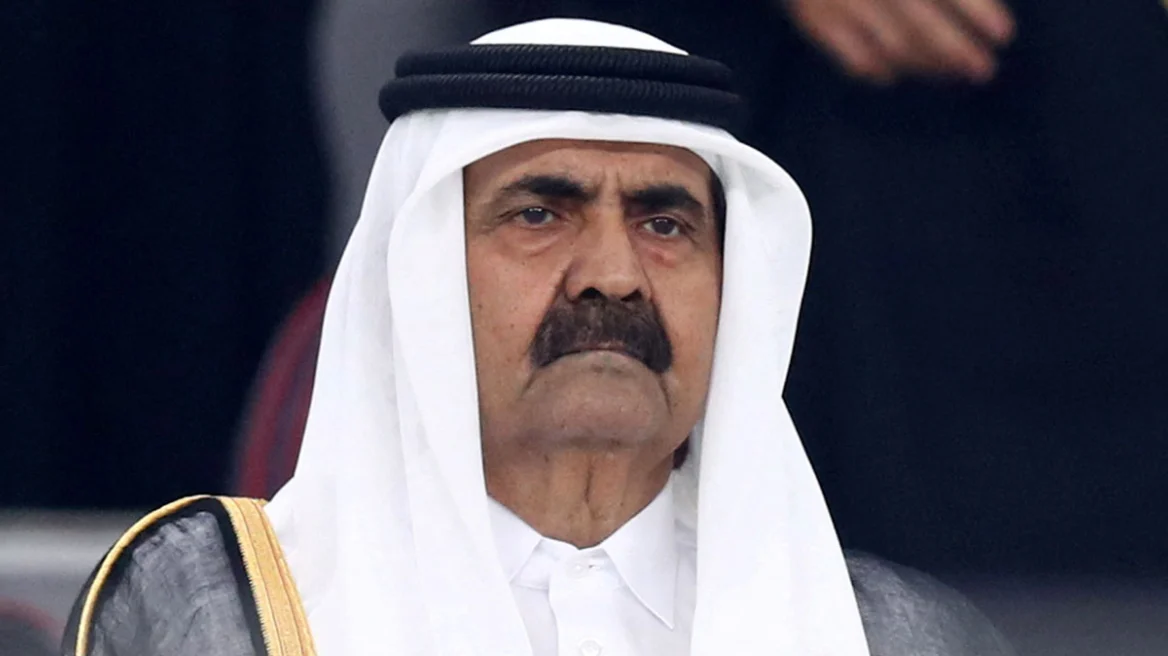
Sheikh Hamad bin Khalifa Al Thani was one of the most influential figures in Qatar’s modern history. He came to power in 1995 and remained emir until 2013, when he carried out a voluntary transfer of power to his son, the current emir, Sheikh Tamim bin Hamad Al Thani, a move rarely seen in the region.
During his 18-year rule, Qatar became one of the world’s most powerful economies by harnessing its vast natural gas reserves, while significantly expanding its international influence in diplomacy, investment and media. At the same time, the foundations were laid for the Qatar National Vision 2030 development plan, aimed at diversifying the economy and ensuring the country’s sustainable growth.
So far, Qatari authorities have not released further details on the cause of death, nor announced a schedule for official mourning events.
Qatar’s transformation
His rule coincided with Qatar’s dramatic rise as a global energy power. In 1996, the country made its first export of liquefied natural gas (LNG), and within just a few years became the world’s largest LNG exporter.
The huge revenues from natural gas propelled Qatar’s economy and secured one of the highest per capita incomes in the world.
Born in 1952, Sheikh Hamad studied at the Royal Military Academy Sandhurst in Britain and joined Qatar’s armed forces in 1971. He was named heir apparent in 1977 and gradually took charge of key state affairs, particularly in the energy sector.
In 1995, when his father attempted to limit his responsibilities, Sheikh Hamad took advantage of his father’s absence abroad and seized power in a bloodless coup, surrounding the royal palace with military forces. Subsequent attempts to overthrow him failed.
Economic boom and the Qatar Investment Authority
During his reign, Qatar’s GDP grew more than 20 times over, reaching $199 billion by 2013, according to World Bank data.
In 2005, he founded the Qatar Investment Authority (QIA), the state’s sovereign wealth fund, which grew into one of the world’s largest investors.
Under the guidance of his close associate, Sheikh Hamad bin Jassim bin Jaber Al Thani (HBJ), the QIA acquired stakes in leading international companies such as Barclays and Volkswagen, and in 2010 bought the historic Harrods department store in London.
From Doha to the World Cup
His rule also transformed Qatar’s global image. Doha grew from a small town into a modern metropolis, driven by extensive infrastructure projects and new investment.
Together with his wife, Sheikha Moza bint Nasser, he attracted leading American universities, including Georgetown, Texas A&M and Carnegie Mellon, creating an international academic community in the emirate.
In 2010, Qatar became the first Middle Eastern country to secure the right to host the 2022 FIFA World Cup.
One of his most significant decisions was funding Al Jazeera in 1996 with a $500 million loan.
The television network grew into one of the most powerful media organisations in the Arab world, often provoking backlash for its criticism of regional governments.
Sheikh Hamad’s foreign policy was defined by a balancing act that often frustrated both allies and rivals. He allowed the United States to establish its largest air base in the Middle East on Qatari soil, while simultaneously maintaining good relations with Iran.
At the same time, until the 2009 war in Gaza, he allowed Israel to operate a trade office in Doha, while also maintaining close ties with Hamas.
The Arab Spring and regional tensions
During the 2011 Arab Spring, Qatar actively backed opposition movements in Syria and Libya, while providing $8 billion in economic support to Mohamed Morsi’s government in Egypt.
These choices sparked strong reactions in several Arab countries and led to serious diplomatic disputes with Saudi Arabia, the United Arab Emirates, Bahrain and Egypt.
These tensions came to a head in 2017, when the four countries imposed a multi-year diplomatic and trade blockade on Qatar, a crisis that came to define the era of his successor, Sheikh Tamim.
Ask me anything
Explore related questions




