






A federally commissioned study released this week reports a strong correlation between endorsement of gender ideology and willingness to justify political violence, according to researchers funded by the Department of Health and Human Services.
The report, titled “Where the Clinic Meets the Movement: Does Gender Ideology Arm Left-Wing Authoritarian Psychology?”, surveyed 1,208 U.S. adults. Researchers from Rutgers University, the Manhattan Institute and the Network Contagion Research Institute developed a Clinical Gender Affirmation Scale based on positions from major medical associations. Higher scores on that scale tracked closely with left-wing authoritarianism and with greater acceptance of violence against six targets: killing Charlie Kirk, killing Donald Trump, killing Brian Thompson, arson at ICE facilities, damage to wealthy people’s property, and violence against police.
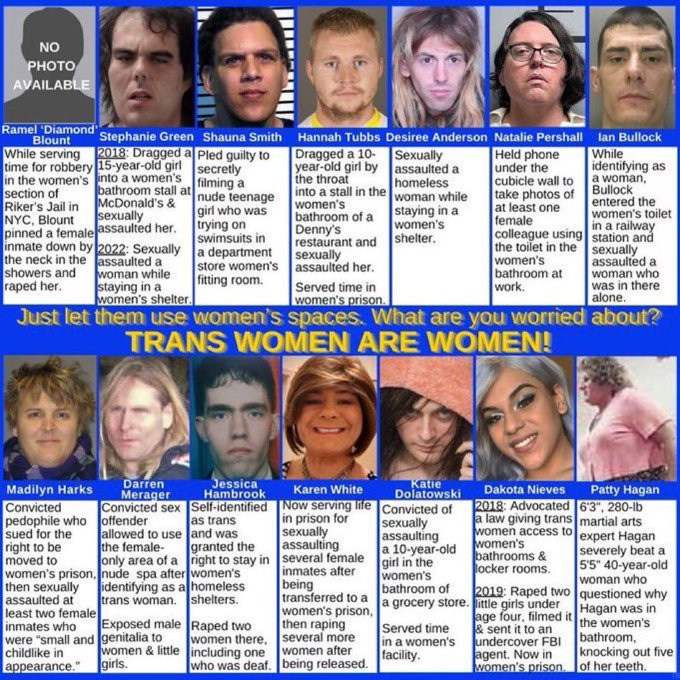
The authors found that gender-ideology measures remained significant predictors even after controlling for political identity and age. They described gender ideology as a possible “ideological accelerant” that can identify enemies, heighten urgency and, among those already inclined toward force, make violence seem legitimate. Colin Wright, one of the researchers, called the link between acceptance of gender ideology and support for political violence one of the study’s most striking findings. The team stressed that the results show association, not proven causation, and called for experimental follow-up.
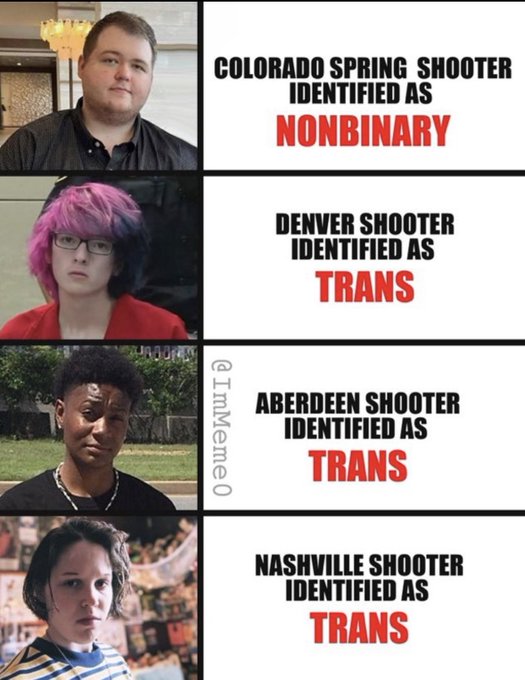
The paper arrives amid public debate over several high-profile attacks involving transgender-identifying suspects or close associates, including the assassination of conservative activist Charlie Kirk and an earlier attempt on Justice Brett Kavanaugh. School shootings in Minnesota and Tennessee have also drawn attention to the same questions. Critics of the study are likely to argue that survey attitudes do not equal real-world violence and that political identity remains the dominant factor. Supporters say the data warrant closer scrutiny of how clinical and activist narratives interact with authoritarian psychology.
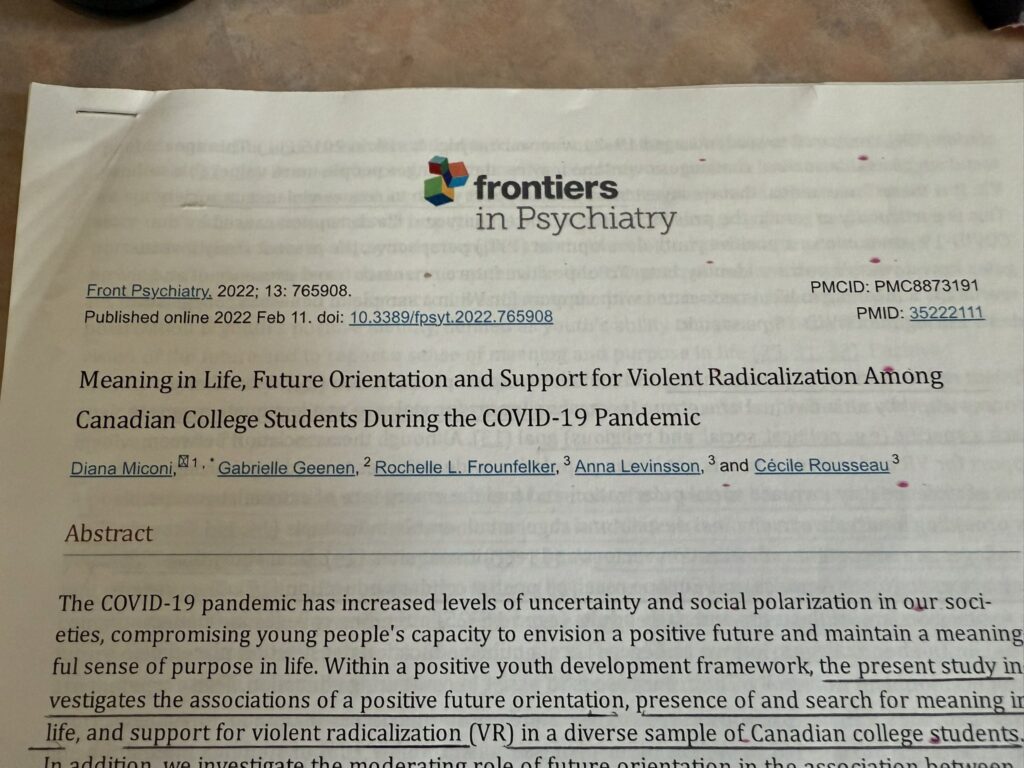
The findings, however, were unsurprising, as an earlier Canadian campus research by sociologists studying college-age students in 2022 found transgender and nonbinary students 4x more prone to violent radicalization as the next highest group (Muslim males). Canadian surveys of young adults and college students have separately reported higher sympathy for violent radicalization among transgender and gender-diverse respondents than among women, though those papers measured attitudes rather than acts of violence and used relatively small gender-minority samples.
“We also assessed catastrophizing beliefs, such as the perceived likelihood that a genocide of individuals that identify as transgender is currently under way, and associate extremist responses, such as belief in the need to censor and punish those who oppose transgender dogmas and ignore Supreme Court rulings on gender ideology issues,” the report added.
Ask me anything
Explore related questions




