×
GreekEnglish

×
  • Politics
  • Diaspora
  • World
  • Lifestyle
  • Travel
  • Culture
  • Sports
  • Cooking
Thursday
11
Dec 2025
weather symbol
Athens 14°C
  • Home
  • Politics
  • Economy
  • World
  • Diaspora
  • Lifestyle
  • Travel
  • Culture
  • Sports
  • Mediterranean Cooking
  • Weather
Contact follow Protothema:
Powered by Cloudevo
> Culture

What did ancient Romans eat?

How many meals did they have a day?

Newsroom August 19 08:33

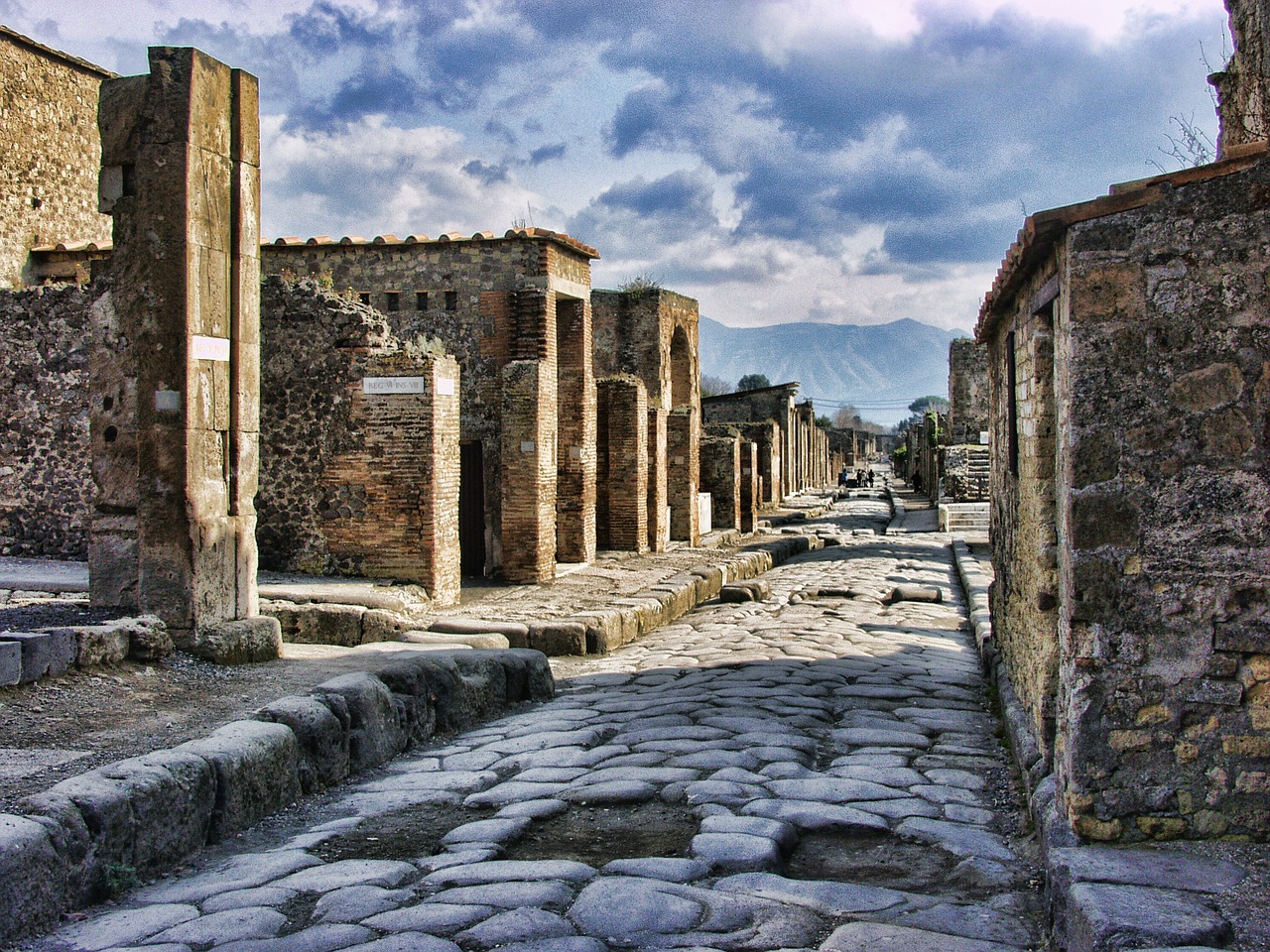
Romans ate three meals during the day, in which women also participated. In the morning between eight and nine, the Romans ate breakfast so écantaculum, in the middle of the day between eleven and noon they ate the prandium (second breakfast, dinner) and finally the most important meal was dinner, between the third and the fourth hour.

>Related articles

Hellenic Food Authority recalls frozen burger due to salmonella

A victory for the meat industry

Consumer Reports: High levels of lead found in many protein powders in the U.S.

The first two meals were light and quick. At that time bread, fruit, vegetables, cheese, and remnants from supper were eaten. Often these meals were eaten standing up. The most important meal of the day, dinner (cena) was first consumed in the atrium household, where the revelers were exposed to passers-by looks, later they were eaten inside in a special room called cenaculum, which in time became the triclinium, when the Romans and Italics from the upper social classes adopted the habit of eating supper lying on couches (klinai) from the Greeks. Since then, standing food has become a symbol of simplicity.

In the middle of triclinum there was a square or a round table (mensa), around him lay sofas, on which the revelers lay, resting on the left side in such a way as to have free right hand and to be able to eat. The table was marble or ivory. In the first century BCE, a tablecloth appears (mantele). There were dishes, wine and salt shakers on the table. Liquid dishes were eaten like a spoon (cochlear), while other foods were eaten by hand. Tableware, depending on the state of affairs, were made of clay or bronze for the poor, while for wealthy silver with decorated finishes. There were two types of plates: patina – plates and castinus – deep. Wine glasses, i.e. pocula, were made of crystal or gold, decorated with precious stones. The wine was drunk diluted with water.

source imperiumromanum

Ask me anything

Explore related questions

#ancient Rome#diet#food#Romans
> More Culture

Follow en.protothema.gr on Google News and be the first to know all the news

See all the latest News from Greece and the World, the moment they happen, at en.protothema.gr

> Latest Stories

Death-row inmate executed in the US: He had been convicted of raping and murdering a woman 40 years ago

December 11, 2025

International Mountain Day: Their protection is strengthened through ministerial decisions of the Ministry of Environment and Energy

December 11, 2025

Behind the scenes of Pierrakakis’ election to the Eurogroup: The “promises” and alliances before the vote that led to Van Peteghem’s withdrawal

December 11, 2025

Larnaca named European Capital of Culture for 2030

December 11, 2025

Christos Nikolopoulos: “Paschalis Terzis sang a new song for me — we will hear it soon”

December 11, 2025

Mitsotakis: A day of pride for Greece, the government, and all citizens with the election of Pierrakakis

December 11, 2025

Chicken Parmigiana – The authentic recipe for Italian-American chicken

December 11, 2025

Kyriakos Pierrakakis unanimously elected President of the Eurogroup – After the first indicative vote, the Belgian candidate withdrew

December 11, 2025
All News

> Culture

Marianna Latsis visits the Apostolic Diakonia of the Church of Greece – Welcomed by Metropolitan Agathangelos of Phanar

Greek philanthropist Marianna Latsis recently visited the Apostolic Diakonia of the Church of Greece, where she was warmly welcomed by Metropolitan Agathangelos of Phanar

December 11, 2025

Italy: The non-profit organisation managing Florence Cathedral is the victim of a €30 million fraud

December 11, 2025

At least 600 objects of “significant cultural value” stolen from a Bristol museum

December 11, 2025

Amphipolis: The polychromy of the Kasta Tumulus comes back to life with the help of research and technology – When it will open to the public

December 10, 2025

Dead next to the garbage: The truth about the horror of occupied Athens

December 10, 2025
Homepage
PERSONAL DATA PROTECTION POLICY COOKIES POLICY TERM OF USE
Powered by Cloudevo
Copyright © 2025 Πρώτο Θέμα