

×
GreekEnglish

×
  • Politics
  • Diaspora
  • World
  • Lifestyle
  • Travel
  • Culture
  • Sports
  • Cooking
Sunday
28
Jun 2026
weather symbol
Athens 29°C
  • Home
  • Politics
  • Economy
  • World
  • Diaspora
  • Lifestyle
  • Travel
  • Culture
  • Sports
  • Mediterranean Cooking
  • Weather
Contact follow Protothema:
Powered by Cloudevo
> Culture

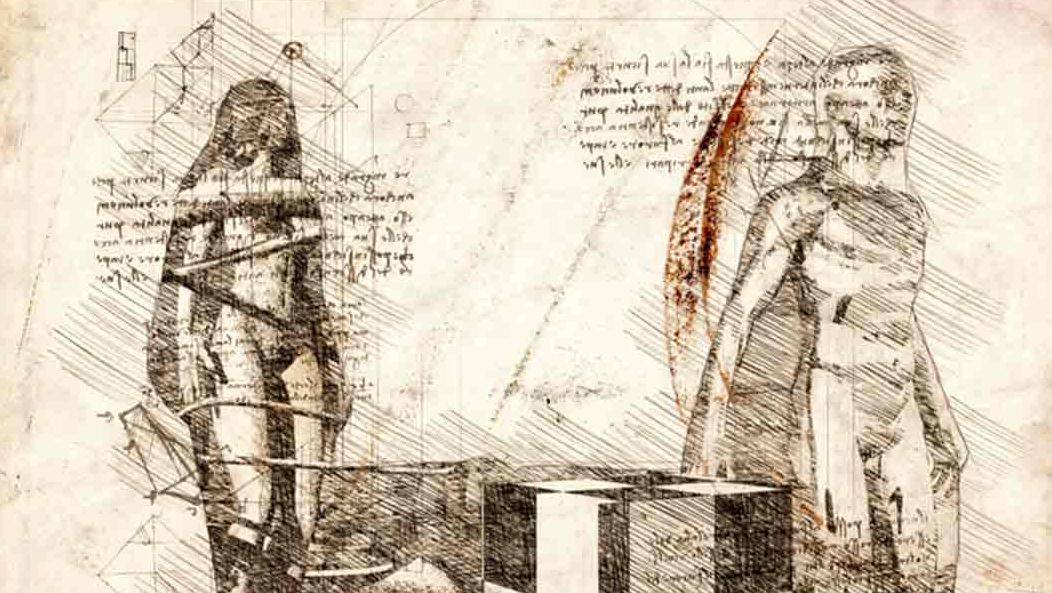
What makes us human? How ancient thinkers saw the human-animal divide

Who or what is man?

Newsroom March 26 09:18

Δείτε περισσότερα άρθρα μας στα αποτελέσματα αναζήτησης

Add Protothema.gr on Google

What makes us human? What (if anything) sets us apart from all other creatures? Ever since Charles Darwin’s theory of evolution, the answer to these questions has pointed us back to our own animal nature.

Yet the idea that, in one way or another, our humanity is entangled with the non-human has a much longer and more venerable history. In the West, it goes all the way back to Classical antiquity – to Greek and Roman views about humans and animals.

The Greek philosopher Aristotle (384-322) first argued the human stands out from all other animals through the presence of  logos (“speech” but also “reason”). Numerous Greek and Roman thinkers engaged in similar attempts to name what, exactly, sets humans apart.

Who or what is man? The arguments these philosophers came up with verged from the obscure to the outright bizarre: The human alone has the capacity to have sex at all seasons and well into old age; the human alone can sit comfortably on his hip bones; the human alone has hands that can build altars to the gods and craft divine statues. No observation seemed too far-fetched or outlandish.

See Also:

US Federal Judge: Illegal immigrants can carry guns

>Related articles

New U.S. strikes target Iran again, hitting Sirik near the Strait of Hormuz

Dozens of Ukrainian drones headed for Moscow intercepted, city mayor says

Oil prices plunge 10% for the week as Hormuz traffic resumes; Brent settles at $71.99

And yet, above all, the argument that animals lack logos continued to resonate. In classical antiquity it became powerful enough to coin the very word for animals in ancient Greek:  ta aloga – “those without logos”.

This position was taken up by the philosophical school of the Stoics and from there came to influence Christianity, with its view of manmade in the image of God.

Continue here: Ancient Origins

Ask me anything

Explore related questions

#Ancient Greeks#ancient thinkers#animals#history#humans#philosophy#science#world
> More Culture

Follow en.protothema.gr on Google News and be the first to know all the news

See all the latest News from Greece and the World, the moment they happen, at en.protothema.gr

> Latest Stories

Arrests made following fatal shooting range tragedy in Malevizi; Investigators examine authenticity of victim’s signature

June 28, 2026

Fire breaks out at Hotel in Omonia, guests being rescued

June 28, 2026

New U.S. strikes target Iran again, hitting Sirik near the Strait of Hormuz

June 28, 2026

Dozens of Ukrainian drones headed for Moscow intercepted, city mayor says

June 28, 2026

Climate change ‘undoubtedly responsible’ for the severity of Western Europe’s heatwave, scientists say

June 28, 2026

Hope amid the ruins in Venezuela: Newborn rescued alive 32 hours after earthquake, watch the video

June 27, 2026

Greek Defence Industry: A last major opportunity and the open challenge of the 25% local participation rule

June 27, 2026

Woman dies at shooting range in Malevizi, Crete; Witness accounts point to suspected suicide

June 27, 2026
All News

> Greece

In reverence, the emotional deposition in Jerusalem, see photos & video

The Holy Temple of the Resurrection opened after many days due to the war between Israel and Iran

April 10, 2026

In the final stretch for the accreditation of joint master’s degrees: Aiming for their launch in the coming academic year

April 10, 2026

Schedule for Epitaph Procession today (10/4)

April 10, 2026

Perfect weather for Easter excursions, according to Tsatrafyllia’s forecast

April 10, 2026

Easter in Greece: The customs that continue in Greek tradition – From Nafpaktos to Corfu

April 10, 2026
Homepage
PERSONAL DATA PROTECTION POLICY COOKIES POLICY TERM OF USE
Powered by Cloudevo
Copyright © 2026 Πρώτο Θέμα



