





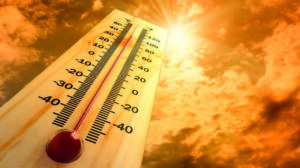
Heat waves and very high temperatures can trigger cardiovascular events, with myocardial infarction and vascular strokes being the most common, according to distinguished cardiologist Spyros Papaioannou, director of the 2nd Cardiology Clinic of the Athens Naval Hospital. The full article by Spyros Papaioannou* is as follows:
“It is now a fact that the summer months in our country show year after year, higher and higher temperatures, resulting in vulnerable groups of the population such as cardiac patients to worry about the effects that these may have on their health.
In fact, heatwaves and very high temperatures can trigger cardiovascular events, with myocardial infarction and vascular strokes being the most common, and the induction of arrhythmias is also strongly observed during periods of heatwaves. In addition, deregulation of heart failure or worsening of severe valvular disease may also be observed in hot weather.
In fact, studies suggest that an increase of just 1 degree Celsius increases the risk of developing the aforementioned cardiovascular diseases.
When the body is in conditions of excessively elevated temperatures, thermoregulatory mechanisms are activated, both to prevent further increases in body temperature and to expel excess heat.

Peripheral vasodilatation, tachycardia, tachycardia and sweating are signs that occur in the human body during heatwave conditions, and the symptoms that patients experience are usually weakness, exhaustion, cramps and heatstroke. And it is estimated that the human body needs about 7-14 days in order to become acclimatized to excessive heat.
Vulnerable groups-when to seek medical attention
Susceptible groups are considered the elderly, patients with a history of coronary artery disease (myocardial infarction or those who have undergone angioplasty/bypass), heart failure ,severe valvular disease, alcoholics or sufferers of mental illness, lung patients and those who live in areas that are not properly ventilated and do not have air conditioning.
Symptoms that should lead cardiac patients to their physician are chest discomfort, dizziness, loss of strength, feeling of tachycardia, headache and fainting.
Instructions
The guidelines given to prevent the above symptoms are avoiding exposure to the sun during hours of intense radiation (between 11:00-17:00) , strict limitation of intense physical fatigue, sports and physical work, especially outdoors with increased temperature and consumption of large meals. Also, many cardiac patients will probably need a modification in their medication for the treatment of arterial hypertension or heart failure, especially those using diuretic drugs.
It goes without saying that for swimming in the sea, at least 2 hours should have elapsed since the last food intake, while it is recommended that contact with the water should be gradual and midday bathing should be avoided, especially for elderly patients.”
* Dr. Spyridon Papaioannou,MD,PhD,FESC, FESCAI, is Director of the NNA Cardiology Clinic B, President of EL.E.A.K., Adjunct Associate Professor of Cardiology, EUC
Ask me anything
Explore related questions




