Selected metal and wooden objects, as well as elements of the historical mechanical equipment of Neo Voustasiou, associated with agricultural production at the former royal estate of Tatoi, are being preserved to form part of the permanent exhibitions, prepared by the Ministry of Culture, dedicated to the agricultural and cattle production of the estate.
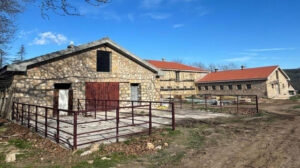
The same building will also house the exhibition of the royal cars, which have been declared monuments. The building of the new Bustasi, is located in the so-called agricultural section of the estate.
Its construction began in September 1950 and it was inaugurated in August 1952, replacing the older Voustasiou building because it was not sufficient to meet the needs of the growing agricultural production at that time. It is an important post-war building and the architect Konstantinos Ginis is mentioned as its possible creator.
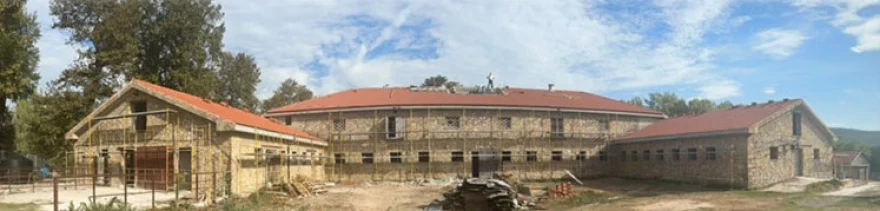
Minister of Culture, Lina Mendoni said: “The conversion of the New Voustasiou into a museum is part of the ongoing programme of the Ministry of Culture for the museum promotion of selected historical buildings in the former royal estate, with evidence that has been identified, preserved and conserved in the grounds of Tatoi. The work of restoration of the building and its reuse continues at a rapid pace. It is funded by the resources of the Recovery Fund, managed by the Ministry of Culture, and is progressing within the approved timetable with a completion horizon of 2025. This conservation study concerns the metal and wooden objects of agricultural production, as well as elements of the mechanical equipment of Neo Voustasiou that were used for the agro-food activity of the estate, ensuring self-sufficiency to its owners, while at the same time the quantity produced allowed the circulation of products within and outside Greece. Typical examples are milk and butter from Tatoi, but also the varieties of wine from the royal vineyards. The Ministry of Culture has registered the names and labels of the estate’s products, in order to reuse them in the context of the new catering and hospitality uses, as provided for in the sustainability study.”
The study involves the conservation of elements of the historic mechanical equipment in the Neo Voustatiou building, as well as selected, metal and wooden farm objects. The metal objects include manger, signs with animal names, water supply elements of the older watering system, in the storage areas, silos for processing, mixing and distribution of feed. Farm tools, with wooden and metal preservation elements, include forks (an agricultural tool used to assist in the process of fertilization), sickle, rake, sieve, dummy, sprayer, milk cans.
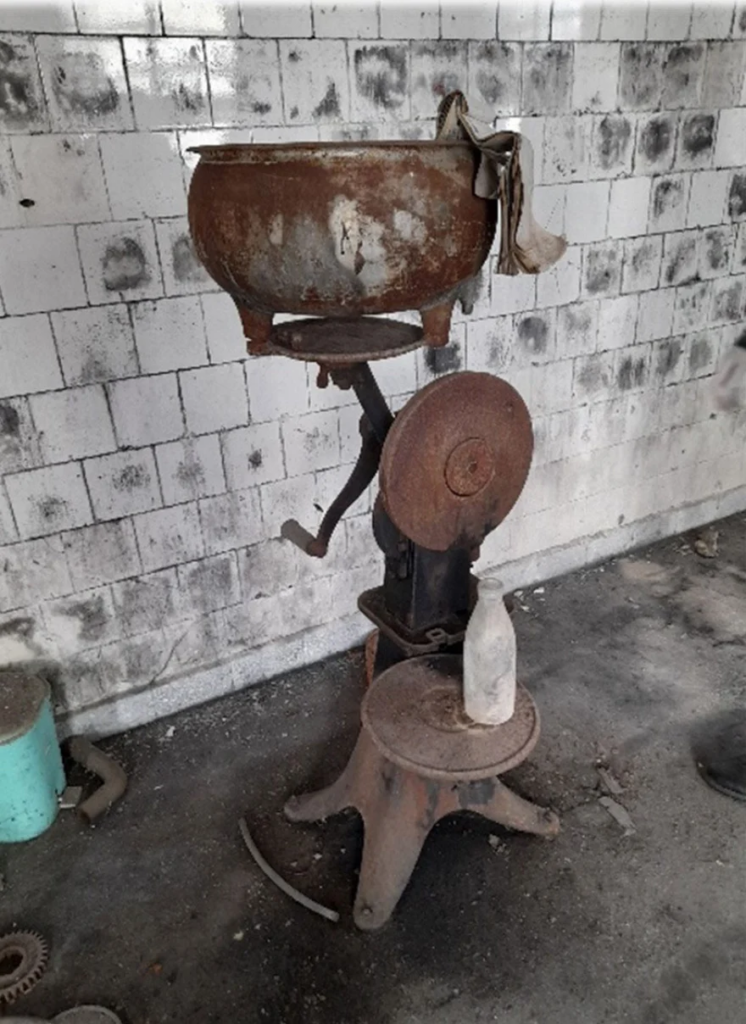
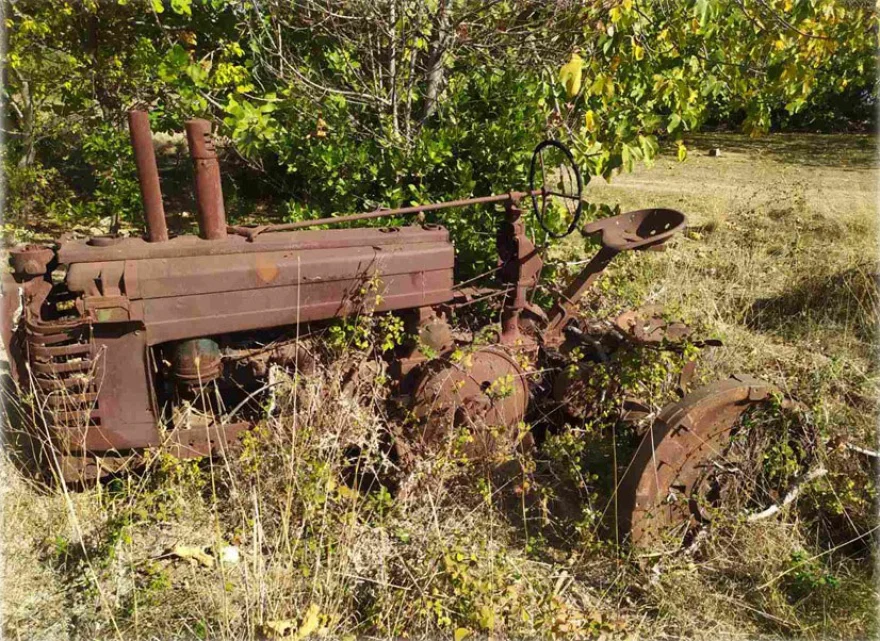
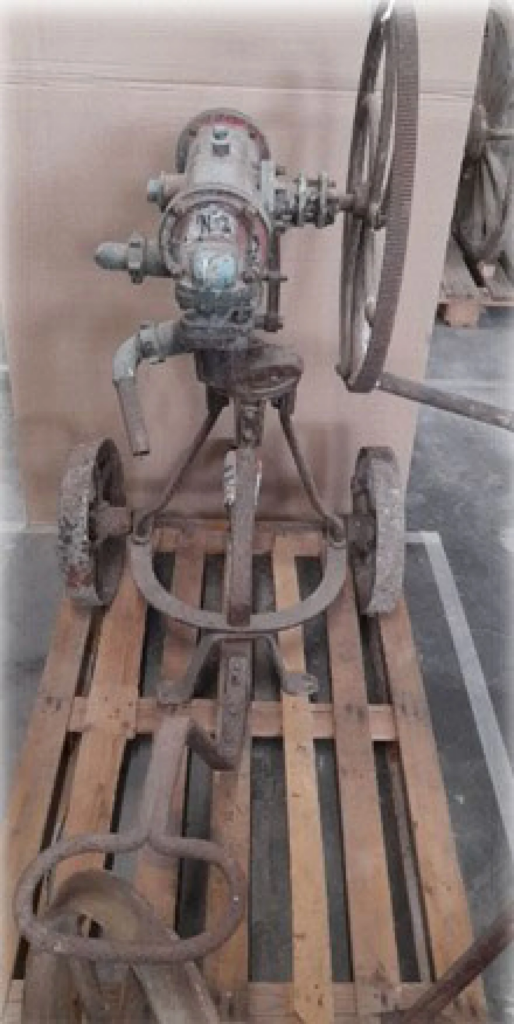
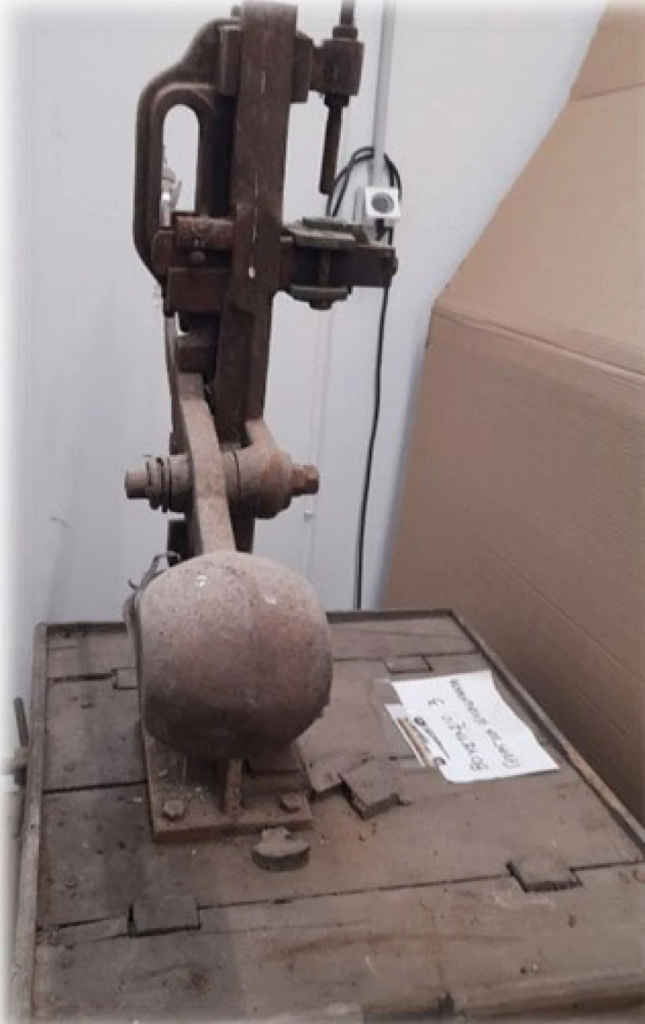
The wooden items relate to tools and agricultural production machinery, which were found inside the premises of Neo Voustasiou and on a wooden sign from the Tatoi estate. The machinery and equipment related to the production process of the winery include a manual bottle sealing device, a rotary-manual wine press, a milk skimmer, a pump for the decanting of must (liquid product obtained from fresh grapes, natural or by natural treatments), a belt-driven wine press-rotary, an agricultural tractor (tractor), a wine warehouse, oak barrels. Both the metal and wooden elements of the tools and machinery are in poor condition, mainly due to their long-term storage in unsuitable environmental conditions.
The total area of the building is approximately 1500 square meters and is shaped in a “P” shape. The central part is two-storey and elongated, while the two legs are ground floor and of smaller size. The lower level housed the cattle with feeders and other equipment. The upper level of the middle section was used as a preparation area for the feed, which was channelled through suitable channels to the lower level. It had a capacity of 90 animals, this number sometimes reaching 100, and employed 4 stable hands.
Ask me anything
Explore related questions