





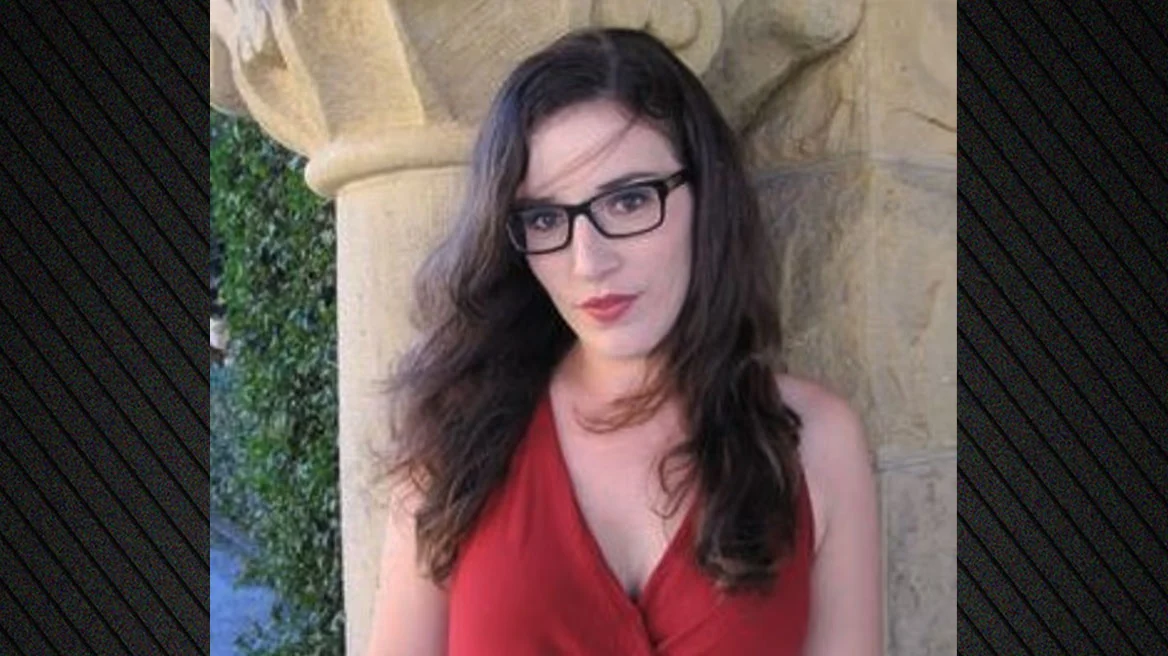
The Israeli-Russian academic Elizabeth Tsurkov gave the BBC the first full picture of the conditions of her more-than-two-year captivity in Iraq. She was held for a total of 903 days by an Islamic armed group and was released in September.
The interview took place in Israel, where she is recovering, lying in bed. “My health is not good,” she says, describing that she suffered extreme abuse for about 100 days: electric shocks, beatings, whipping, sexual assault, and torture methods such as being hung from the ceiling with her hands tied behind her back.
The abduction and the revelation of her identity
Tsurkov was in Baghdad in March 2023 conducting research for her Princeton PhD when she was attacked by two men who dragged her into a car. At first she told her captors she was Russian, but their access to her phone revealed her Israeli citizenship — something that, as she describes, triggered an escalation in the torture.
According to Tsurkov, her captors were members of Kataib Hezbollah, one of the most powerful pro-Iranian militias in Iraq.
The “fabricated confessions” and the cycle of abuse
To stop the torture, Tsurkov began inventing “confessions” based on conspiracy theories her captors believed — while avoiding any mention of Iraqis because she feared her friends there might also be in danger. This tactic, she says, had the opposite effect as well:
“They tortured me to make me give them the confessions I invented, and then they became even more demanding, asking for something new.”
Without knowing why, after about 100 days of abuse she was moved to another location, where the mistreatment stopped, though she remained in isolation.
How her release came about
She attributes her release to U.S. pressure. According to Tsurkov, businessman Mark Savaya, who had been appointed U.S. special envoy to Iraq, conveyed to the Iraqi prime minister that President Donald Trump was “extremely upset” about the case and that if she was not freed within a week, the leadership of Kataib Hezbollah would be eliminated. Days later, Tsurkov was released.
The Iraqi prime minister cited “extensive efforts by the security services” with no mention of threats. However, a Kataib Hezbollah official later stated that the release was made to avoid a possible American strike.
The next day and the effort to recover
Tsurkov is now in Israel receiving treatment for the physical and psychological consequences of her captivity. Her goal, she says, is to continue and complete her PhD.
At the same time, she is observing the strengthening of pro-Iranian militias in Iraq following recent elections, as well as the deep insecurity prevailing in Israel after the October 7, 2023 attacks and the war in Gaza.
She had been critical of Israeli policy, but now acknowledges that recent events have made her more pessimistic about the prospects for peace. She also refers to the personal burden of the false confessions she was forced to give: “It gets inside you, like what happens to an abused woman who internalizes the image her abuser has of her.”
Despite the trauma, she concludes that what matters most is that she survived: “I was lucky, in a very unlucky situation.”
Ask me anything
Explore related questions




