





The decision by the Government Council for Foreign Affairs and Defence (KYSEA), which met on Thursday under the chairmanship of Prime Minister Kyriakos Mitsotakis, has paved the way for the Armed Forces and Greece’s defence establishment to enter a new era of modern threats and technological advances by approving the country’s largest defence procurement programme in recent years, worth almost €4.2 billion.
At the heart of the new procurement programme is the “Achilles Shield”, the Threat Detection and Missile Defence Network, which is beginning to take shape by upgrading and adapting Greece’s air defence and anti-ballistic capabilities to the new security environment, drawing on lessons learned from the two ongoing conflicts: the war in Ukraine and the conflict with Iran.
The programme consists of a series of weapons systems that create overlapping defensive layers, successive levels of air defence and anti-ballistic protection operating under a unified command and control system covering the entire Greek territory. The network will enable the collection, processing and exploitation of all available operational data while assessing and prioritising targets.
The extensive procurement package approved on Thursday represents the first phase of implementing the “Agenda 2030” defence plan. It forms part of a holistic defence architecture that creates a unified operational mechanism capable of collecting, processing and evaluating all information while responding immediately to any potential challenge or threat.
As Defence Minister Nikos Dendias explained while presenting the KYSEA decisions:
“We are aiming for a comprehensive system that will receive information from every sensor in the country, down to the night vision device mounted on the helmet of every Armed Forces member, process and prioritise that information, and recommend the appropriate response and targeting against any threat our country faces or may face.”
Once the Achilles Shield and the other approved programmes are completed, Greece will strengthen the defence of both its islands and mainland against the full spectrum of modern threats, ranging from ballistic missiles to air attacks and unmanned aerial systems, which have emerged as one of the most significant asymmetric threats in recent years.
Approval of the programme followed months of negotiations with Israel, the principal supplier of the systems, in order to secure two critical conditions set by Athens:
- Access to the systems’ source code, ensuring full operational control remains exclusively with the Greek Armed Forces.
- Mandatory participation of Greek companies with at least 25% involvement in implementing all programmes approved by KYSEA.
The latter condition aims to address decades during which billions of euros were spent on defence procurement without meaningful benefits for the national economy or opportunities for Greek defence industries to participate in production, ultimately undermining the development of a domestic defence industry.
The initiative is expected to generate approximately €750 million worth of work for Greece’s defence sector, helping establish a domestic defence ecosystem that is already beginning to produce tangible results. Technology transfer and guaranteed investment are considered two key factors capable of significantly strengthening Greece’s defence industry while adding value to both the economy and national security.
Dendias stressed the importance of acquiring the systems’ source code, warning that in today’s complex network-centric command-and-control environment, failing to do so would leave the Armed Forces “hostage to any foreign country, even the friendliest ally.”
He added:
“Unless otherwise stated, every system acquired by the country will be purchased together with its source code.”
The Air Defence Shield
KYSEA approved the procurement of three Israeli air defence systems, which will form the backbone of Greece’s air defence and anti-ballistic umbrella. These systems have already proven themselves successfully under real combat conditions.
The programme is expected to cost just over €3 billion, with deliveries taking place gradually and full deployment expected within 35 months, according to Defence Minister Dendias.
The purchase also strengthens Greece’s strategic relationship with Israel at a time when Israel remains heavily engaged in operations against Iran, Gaza and Lebanon while continuing to be the strongest military power in both the Middle East and Eastern Mediterranean.
This strategic partnership has endured despite recent regional crises and serves as an important counterweight to Turkey’s revisionist policies in the Eastern Mediterranean, the Aegean and the wider Middle East, particularly as Turkey appears unlikely to receive the long-awaited F-35 fighter aircraft in the coming years.
Dendias clarified that the objective is not simply to purchase Israeli systems but to manufacture them in Greece, establishing production facilities through cooperation between Israeli companies and Greek industry, while creating export opportunities for European and Middle Eastern markets.
Greece will acquire three Israeli air defence systems:
- SPYDER All in One
- David’s Sling (Rafael)
- BARAK MX (Israel Aerospace Industries)
These systems will provide protection against short-, medium- and long-range threats.
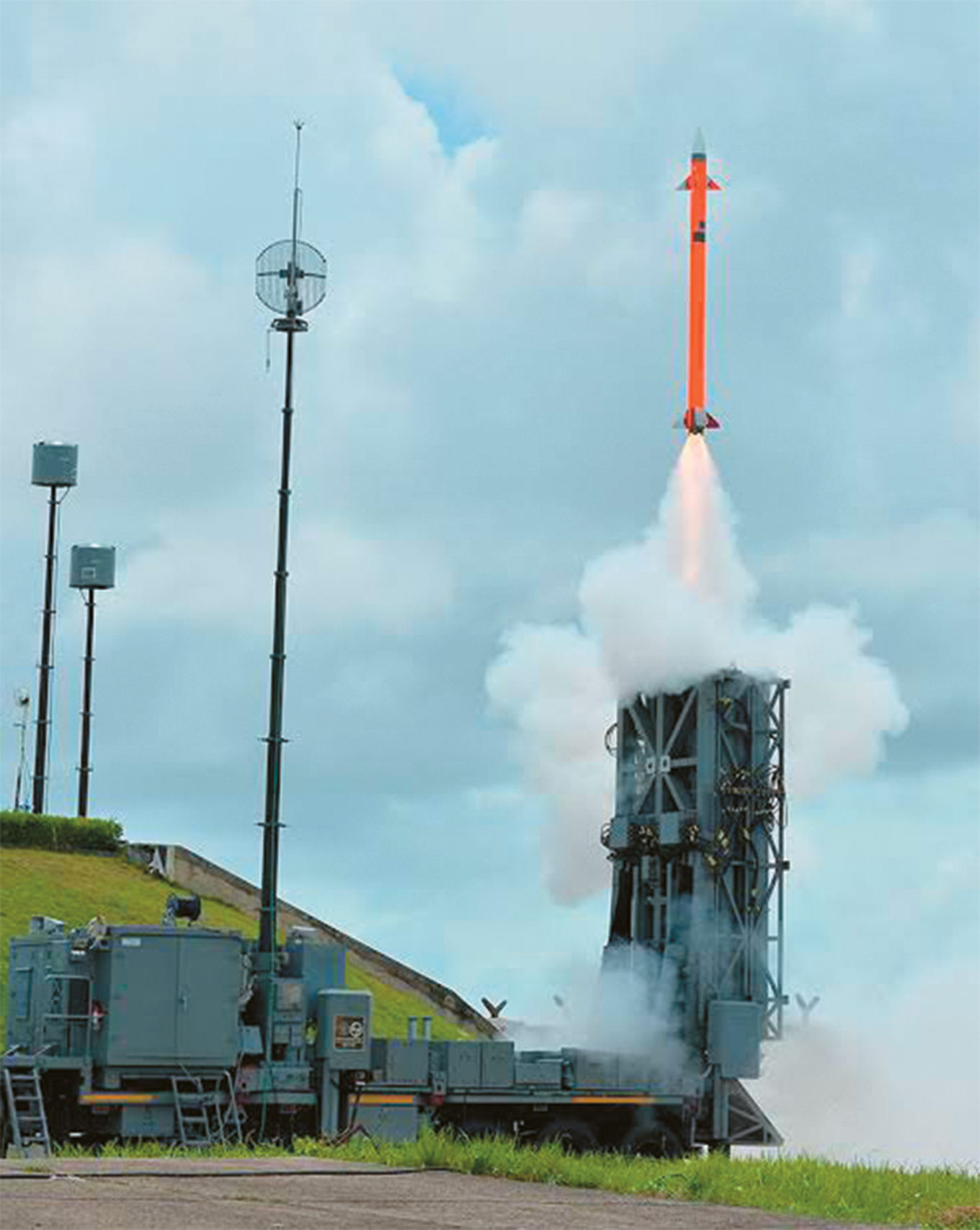
BARAK MX
BARAK MX provides multilayered air defence (short, medium and long range) and can engage multiple targets simultaneously.
Particularly significant is the fact that Greek companies will build the Command and Control Centre (C2), which will connect all new and existing systems into the integrated Achilles Shield network.
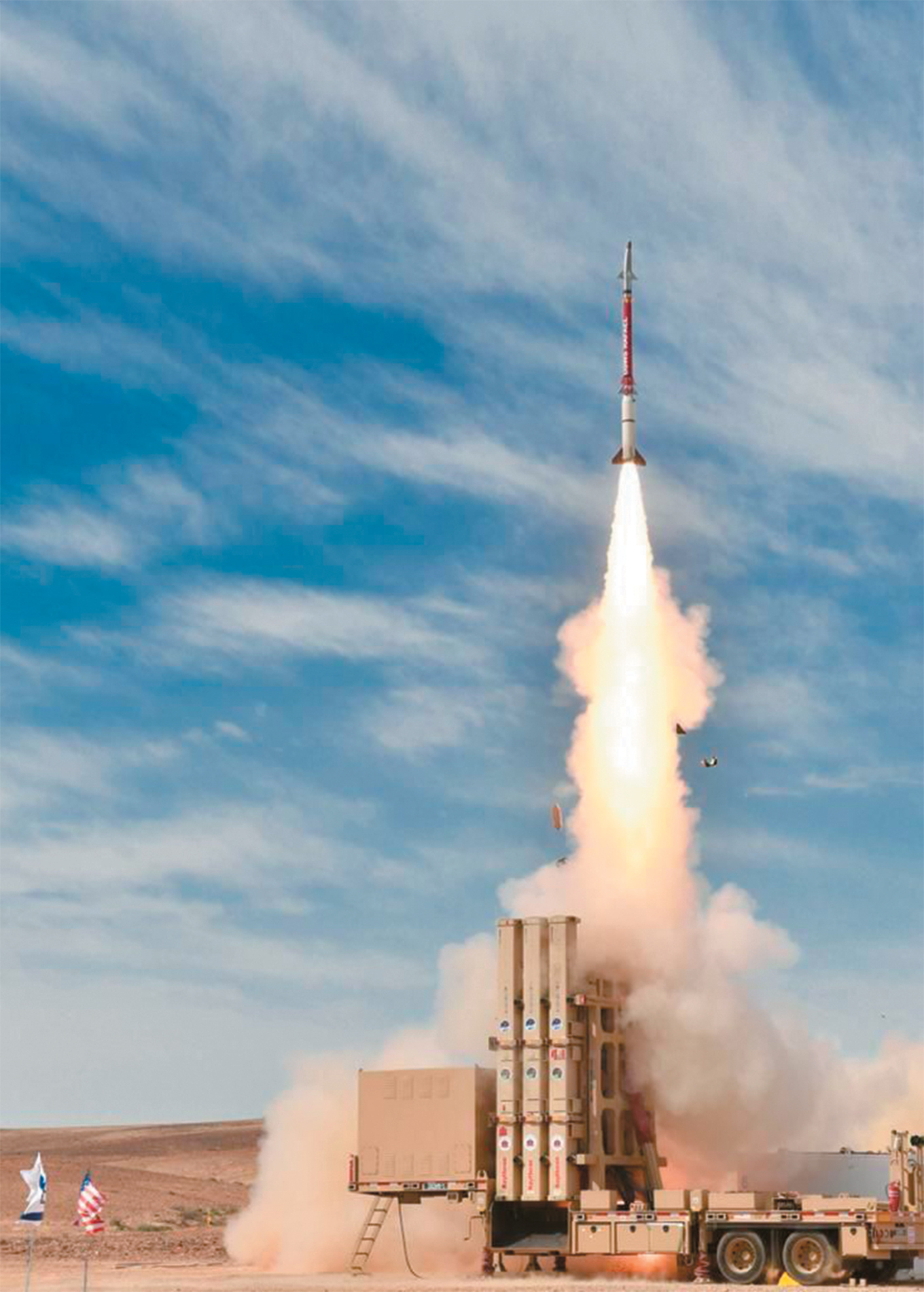
David’s Sling
David’s Sling is designed to intercept tactical ballistic missiles, cruise missiles and other high-speed threats.
Its integration into Greece’s defence architecture will substantially strengthen the capabilities of the existing Patriot systems, particularly given the lessons from the ongoing wars, where long-range strike weapons have become central to modern warfare.
The new systems will operate in a network-centric environment alongside Patriot, HAWK and all systems equipped with Link 16 connectivity.
Multilayered Defence
BARAK MX features a network-centric architecture allowing integration with other radars and air defence systems while offering high mobility through deployment on vehicles or fixed positions.
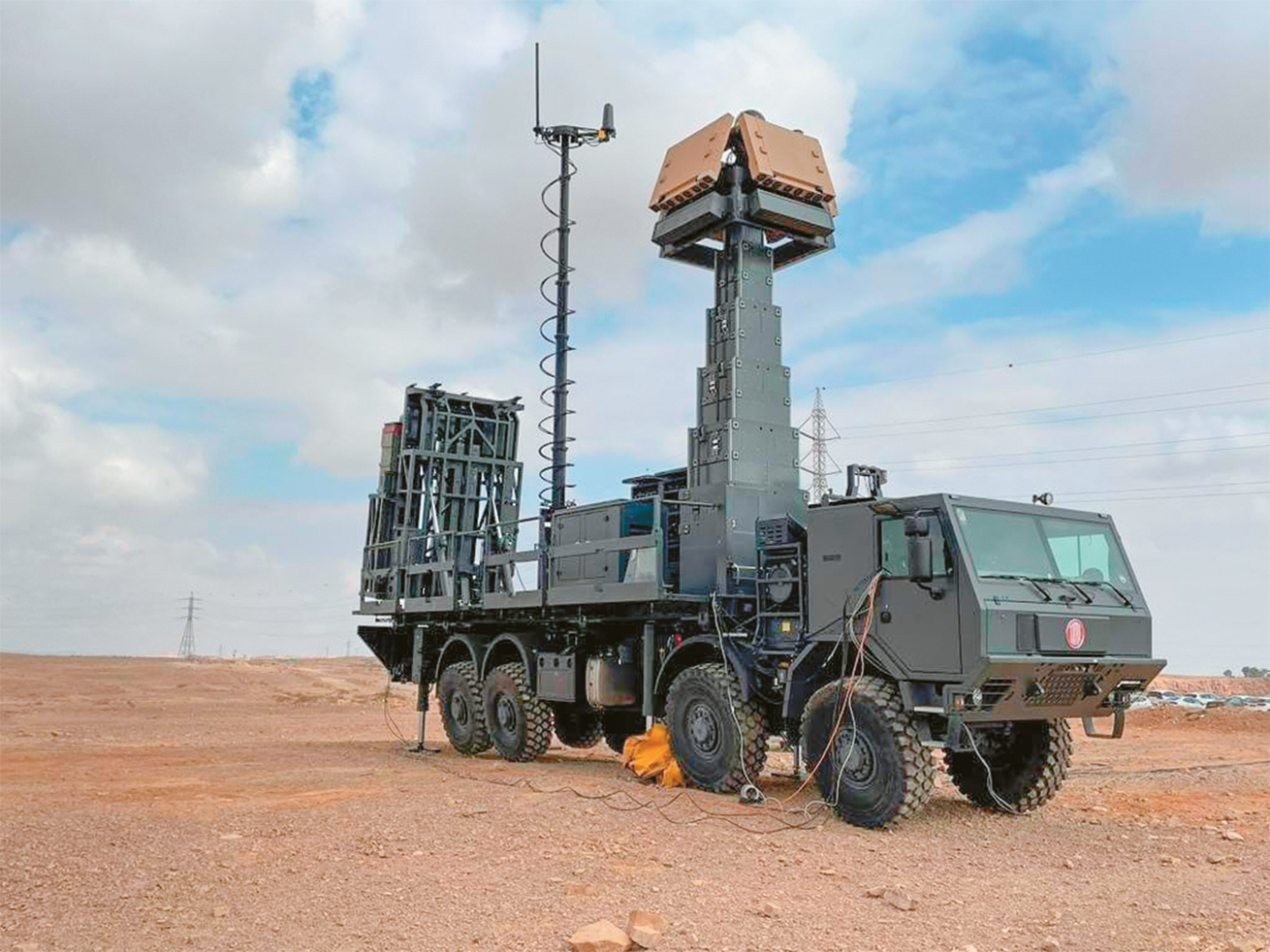
The third missile system, SPYDER, is a mobile short- and medium-range air defence system developed by Rafael Advanced Defense Systems in cooperation with Israel Aerospace Industries (IAI).
SPYDER offers exceptional operational flexibility through rapid deployment and relocation, significantly reducing the likelihood of detection and attack by enemy forces.
Designed to protect military units and critical civilian infrastructure from aerial threats, SPYDER offers extremely rapid reaction times, simultaneous engagement of multiple targets and full integration with other air defence assets.
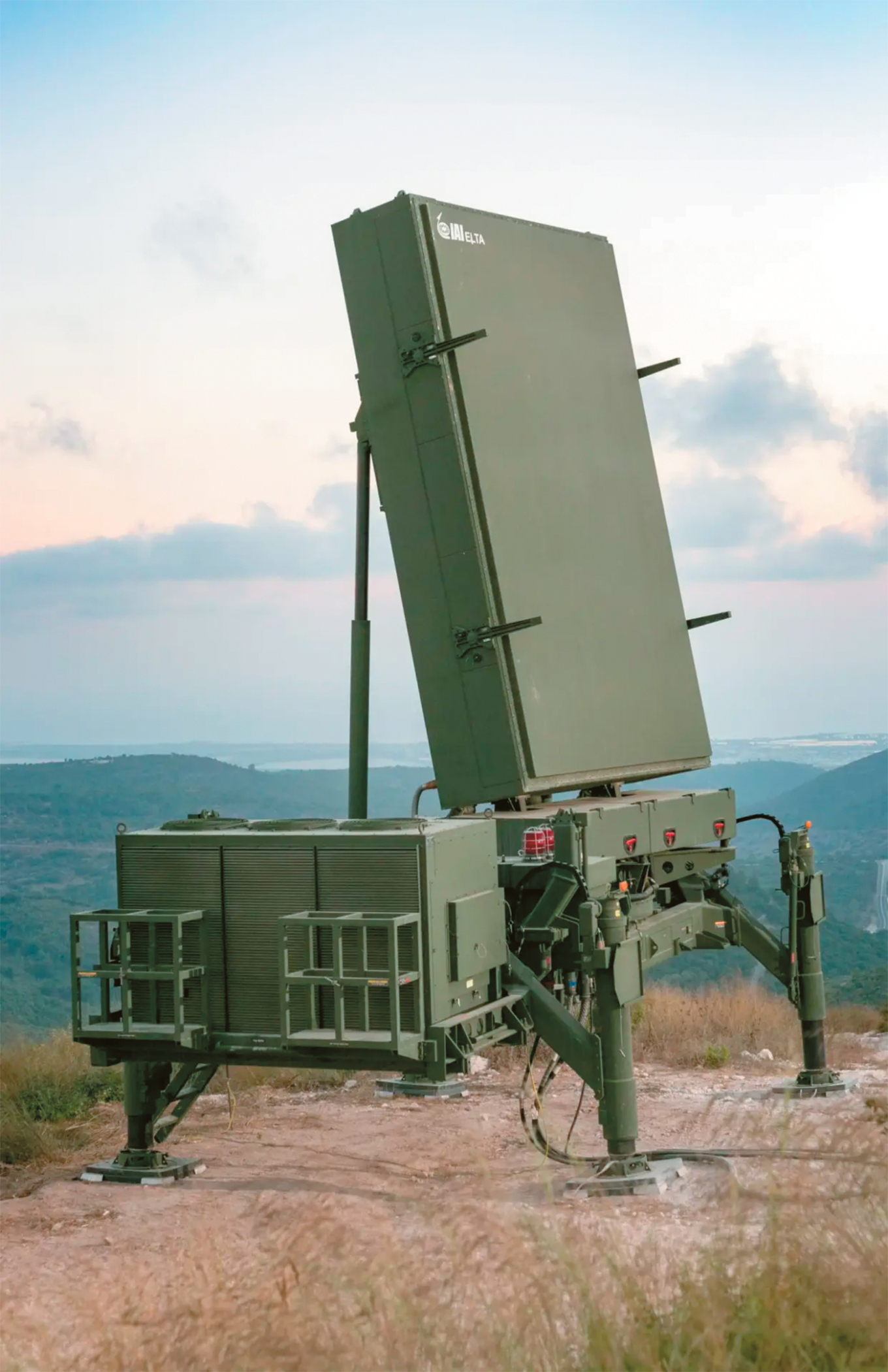
These systems will be supported by the new ELM-2084 radar, capable of detecting all types of aerodynamic targets as well as ballistic threats, providing the early warning required for the effective operation of Greece’s new air defence shield.
The Defence Minister also presented Greece’s new C5ISR-T command architecture:
- C5 – Command, Control, Communications, Computers and Cyber
- ISR – Intelligence, Surveillance and Reconnaissance
- T – Targeting
Counter-Drone Systems
The second programme approved by KYSEA involves the procurement of non-kinetic Counter-UAS systems, designed to neutralise drones without firing weapons by using electromagnetic interference against satellite and electronic navigation systems.
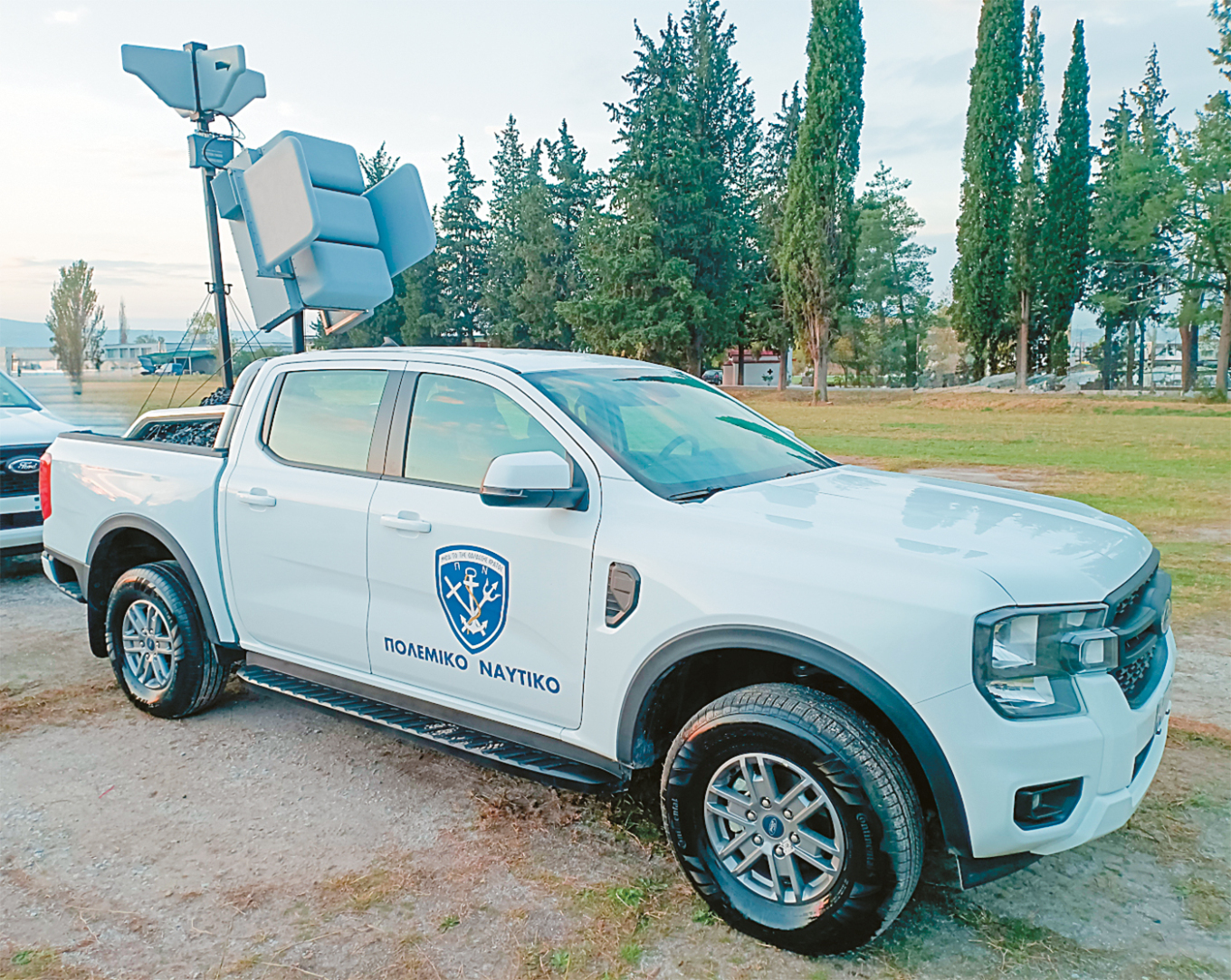
Greece has already made significant progress in this area with the Kentauros anti-drone system. The importance of such capabilities has been highlighted both in Ukraine and during attacks against Israel, as well as in maritime security operations in the Red Sea.
These systems will become an integral component of Greece’s overall air defence shield.
HERON 1 UAV
The third programme provides for the acquisition of another HERON 1 unmanned aerial system, significantly enhancing surveillance, intelligence gathering and battlefield data transmission capabilities while improving early detection of incoming threats.
National Space Capabilities
The fourth programme focuses on developing national space capabilities through the launch of micro-satellites capable of providing high-resolution imagery almost in real time regardless of weather conditions, all under exclusive Greek control.
This will ensure continuous monitoring of areas of interest.
Additional V-BAT UAVs
The fifth programme includes the purchase of ten additional V-BAT VTOL unmanned aerial vehicles, adding to the four already in service.
These UAVs will significantly strengthen network-centric surveillance across the Aegean Sea and the Evros region.
Night Vision Systems
The sixth programme focuses on acquiring night vision devices through NATO’s Support and Procurement Agency (NSPA).
These systems form part of the “Warrior Uniform” programme and are capable of transmitting live imagery directly to operational command centres.
C-390 Millennium Aircraft
The seventh programme marks a major shift in Greek military logistics by reducing dependence on the ageing C-130 and C-27J transport aircraft.
It includes the acquisition of three C-390 Millennium aircraft manufactured by Brazil’s Embraer through an intergovernmental agreement with Portugal, with the first aircraft expected in 2027.
Besides flying almost twice as fast as Greece’s existing transports, the C-390 can also function as an aerial refuelling tanker, significantly extending the operational endurance of Rafale fighter jets.
Submarines
The eighth programme involves acquiring ten VICTA diver delivery vehicles, with two built in Britain and the remaining eight in Greek shipyards.

The VICTA can transport personnel both on the surface and underwater, providing Special Forces with a significant operational advantage.
They reach speeds of 40 knots on the surface with a range of approximately 250 nautical miles, while underwater they have a range of approximately 30 nautical miles.
MEKO Frigate Modernisation
The ninth programme concerns the Hellenic Navy and its long-standing plan to modernise the MEKO 200HN frigates.
The decision includes the procurement and installation of four advanced anti-submarine warfare systems as part of the overall upgrade of all four frigates.
Once completed, Greece’s principal surface fleet will consist of:
- Four FDI HN frigates
- Four Bergamini-class frigates
- Four modernised MEKO 200HN frigates
Hellfire Missiles
The tenth programme includes purchasing AGM-114 Hellfire laser-guided missiles for AH-64 Apache attack helicopters, significantly enhancing close air support and anti-armour capabilities.
Postgraduate Education
The eleventh programme, regarded as particularly important by the Defence Ministry, funds postgraduate studies for Armed Forces personnel in the United States.
The objective is not only advanced education in emerging technologies and modern operational doctrines but also the transfer of knowledge from leading American universities and research institutions to Greece.
Possible Withdrawal of the S-300
During a briefing with accredited military correspondents, Nikos Dendias also revealed that the S-300 systems represent “a departing element of our arsenal,” effectively signalling their possible retirement.
This announcement may be linked to reports that the Russian-made missile system, transferred to Greece following the Cyprus missile crisis in 1998 and deployed on Crete in 1999, has been requested for transfer to Ukraine to support its defence against Russia.
Statement to Proto Thema
Nikos Dendias, Minister of National Defence: “We are acquiring the strongest Armed Forces in the history of modern Greece”
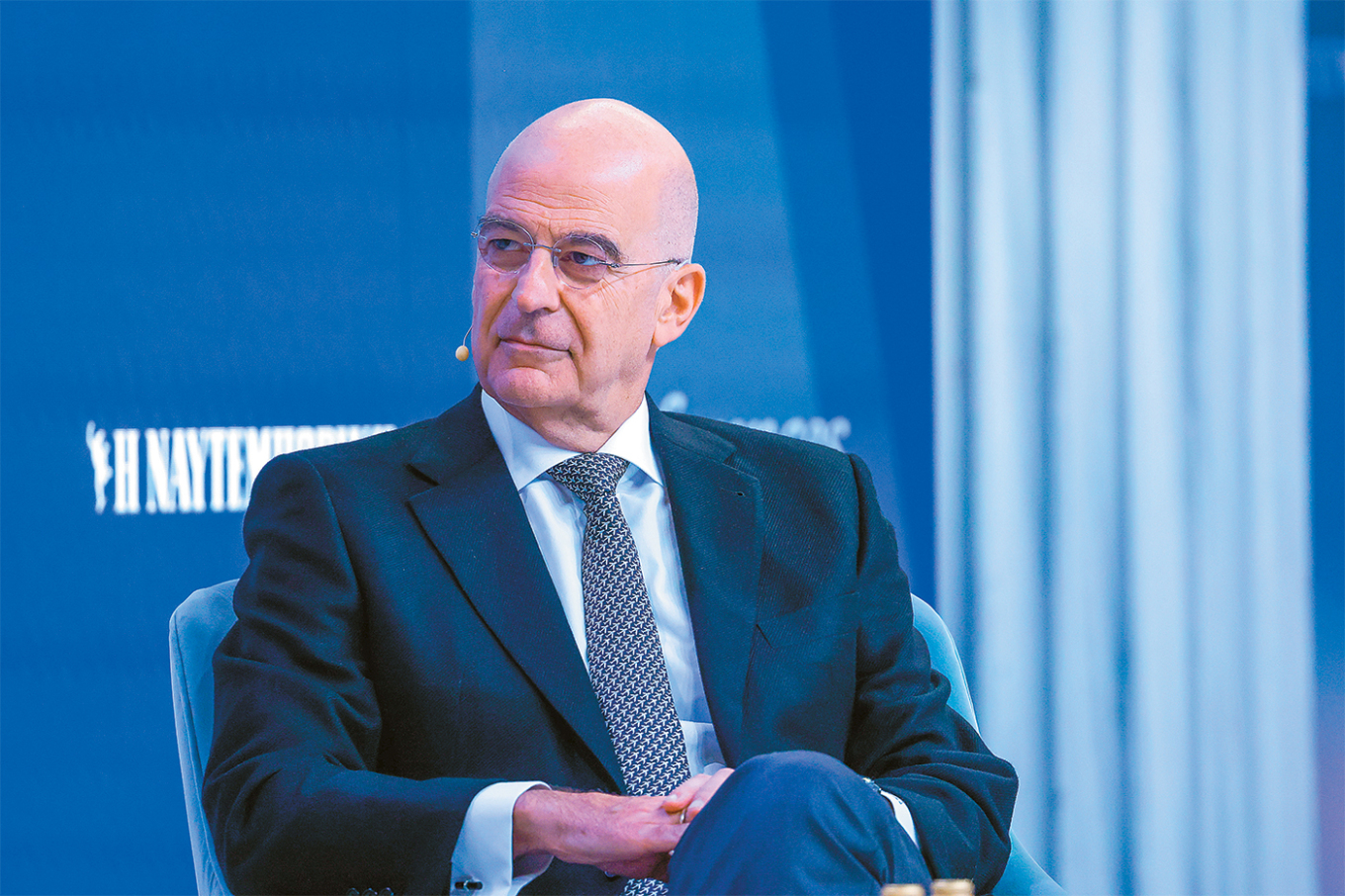
“The decision by KYSEA approving the Ministry of National Defence’s proposal to create a protective shield over Greek territory and procure a series of cutting-edge weapons systems marks a milestone for our national defence.
It signals a new reality for our Armed Forces, which are definitively entering a new era through the implementation of our national defence architecture, the ‘Achilles Shield,’ part of the Agenda 2030 reform.
Drawing lessons from recent conflicts in our wider region and incorporating new technologies, we are building a comprehensive, multilayered and overlapping air defence, anti-ballistic and anti-drone shield with a unified command and control system.
This represents the transition from fragmented capabilities to an integrated, interoperable protection system covering land, sea, air, cyberspace and, gradually, space. We are protecting critical infrastructure across our islands and mainland against the full range of modern and asymmetric threats.
For the first time in the history of the Armed Forces, Greece is also introducing weapons systems equipped with electromagnetic capabilities.
Likewise, Greece’s participation in a constellation of small satellites will significantly enhance national monitoring, aerial surveillance and data transmission capabilities.
All these developments constitute a qualitative leap for the Armed Forces.
This new approach transforms the Armed Forces into a modern organisation capable of collecting and processing all available information and responding to every potential challenge.
Equally important for Greece’s economy and long-term outlook is the guaranteed participation of the domestic defence industry with a minimum share of 25% in all procurement programmes. This represents more than €700 million, generating significant added value for Greece’s GDP while fostering domestic innovation and industrial development.
A substantial proportion of these defence systems will be produced in Greece, helping establish an export-oriented industrial base for Greek companies.
Our central objective is to ensure that investment in defence also becomes an investment in knowledge, technology, employment and national development.
Of particular importance is our decision to ensure that the software managing and integrating the entire system will be owned by Greece rather than merely purchasing the hardware.
This guarantees complete operational control, autonomy and security while simultaneously strengthening Greece’s domestic defence industry and technological expertise.
All these procurement programmes form part of a long-term, fully costed strategy developed with full respect for the country’s fiscal limits. Every euro spent by Greek taxpayers on national defence must be transformed into genuine deterrent capability with responsibility and transparency.
With this step, Greece joins the leading European countries possessing the most advanced and comprehensive defence capabilities. We are building the strongest Armed Forces in the history of modern Greece.
Greece is no longer simply reacting to developments. It is anticipating them and designing a comprehensive defence policy for the decades ahead.”
Ask me anything
Explore related questions




