





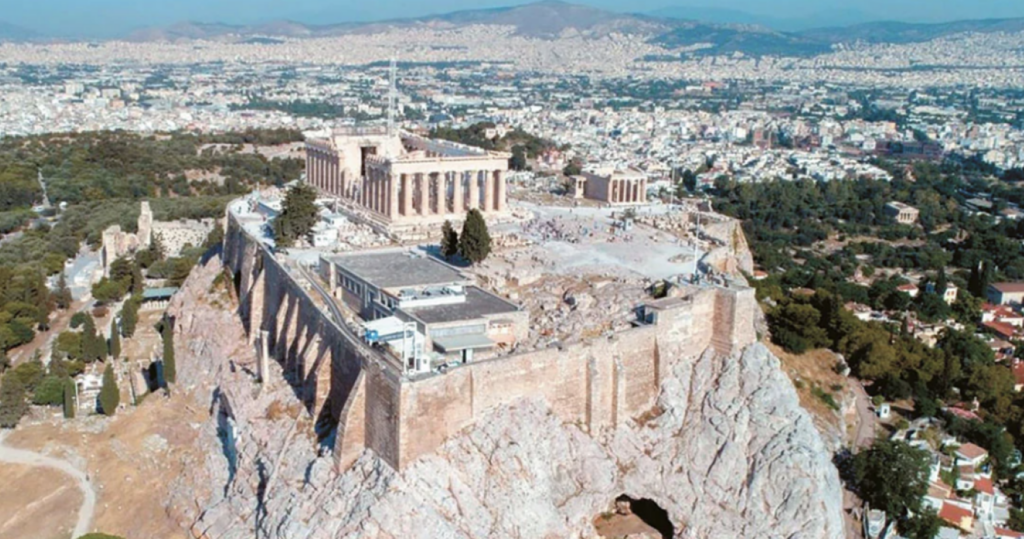
A significant new chapter in Athens’s cultural life, with international reach, will begin on Monday, 23 November, when Prime Minister Kyriakos Mitsotakis officially inaugurates a new era for the Acropolis Museum’s Old Museum.
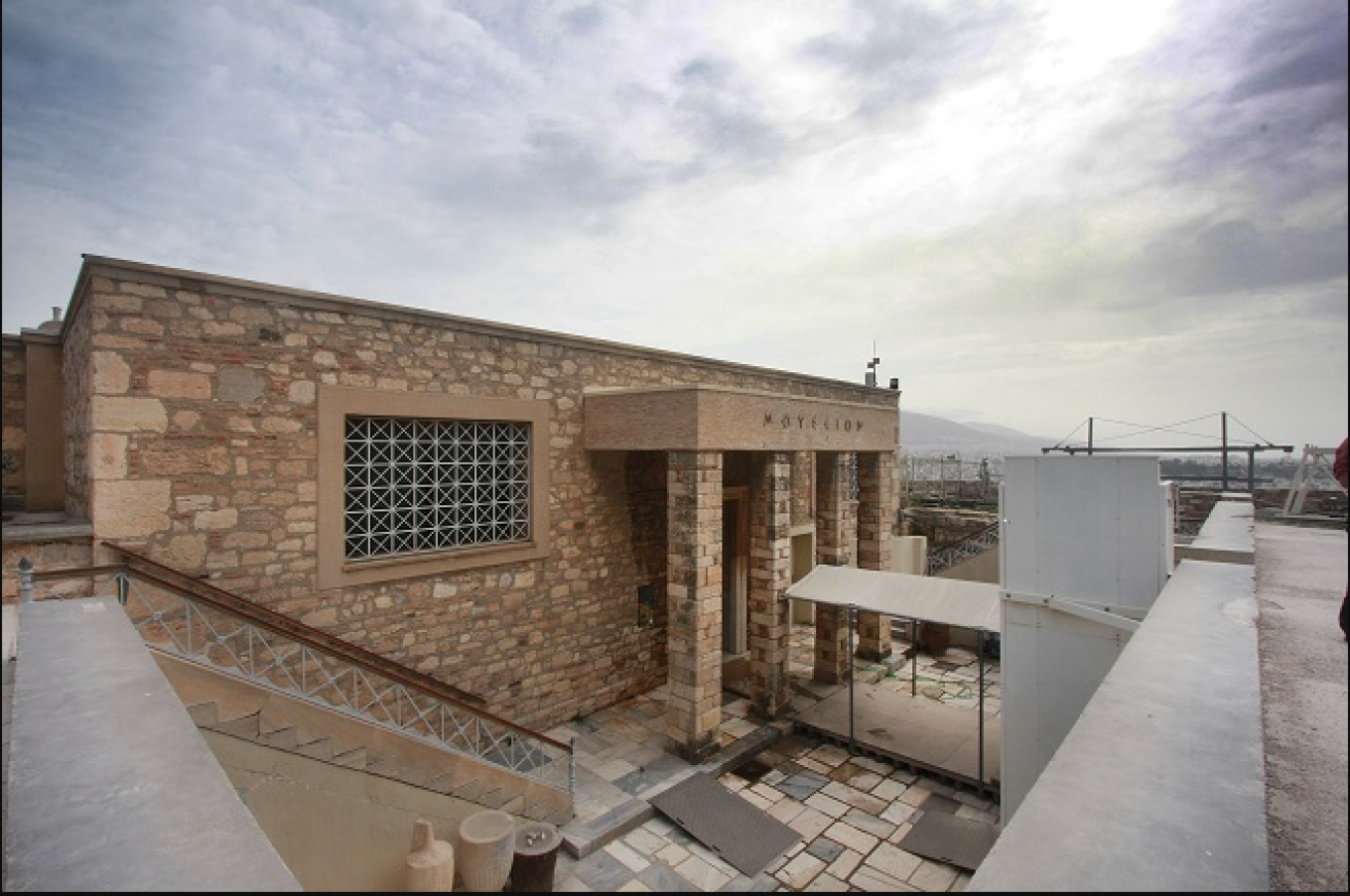
The historic building, the first in the modern Greek state to be constructed specifically as a museum, stands discreetly and almost unnoticed to the south-east of the Parthenon. It has remained closed since 2008, when its precious exhibits were transferred to the neighbouring New Acropolis Museum. Now, after almost 19 years, it is reopening following a substantial upgrade, ready to play a meaningful role in bringing the past into dialogue with the present.
Its history
Construction of the Old Acropolis Museum began in 1865, in a recess at the eastern edge of the Sacred Rock, to designs by architect Panagis Kalkos. It was completed in 1874. Its immediate proximity to the iconic Parthenon called for a discreet architectural approach that would not distract visitors’ attention from the great monument. For this reason, the building’s lines were simple and unadorned, while most of its foundations were laid below the level of the hill, remaining out of sight.
This first version of the museum proved too small to house the archaeological treasures continually brought to light by excavations. It was therefore expanded during the 1950s, based on a modern design by modernist architect Patroklos Karantinos.
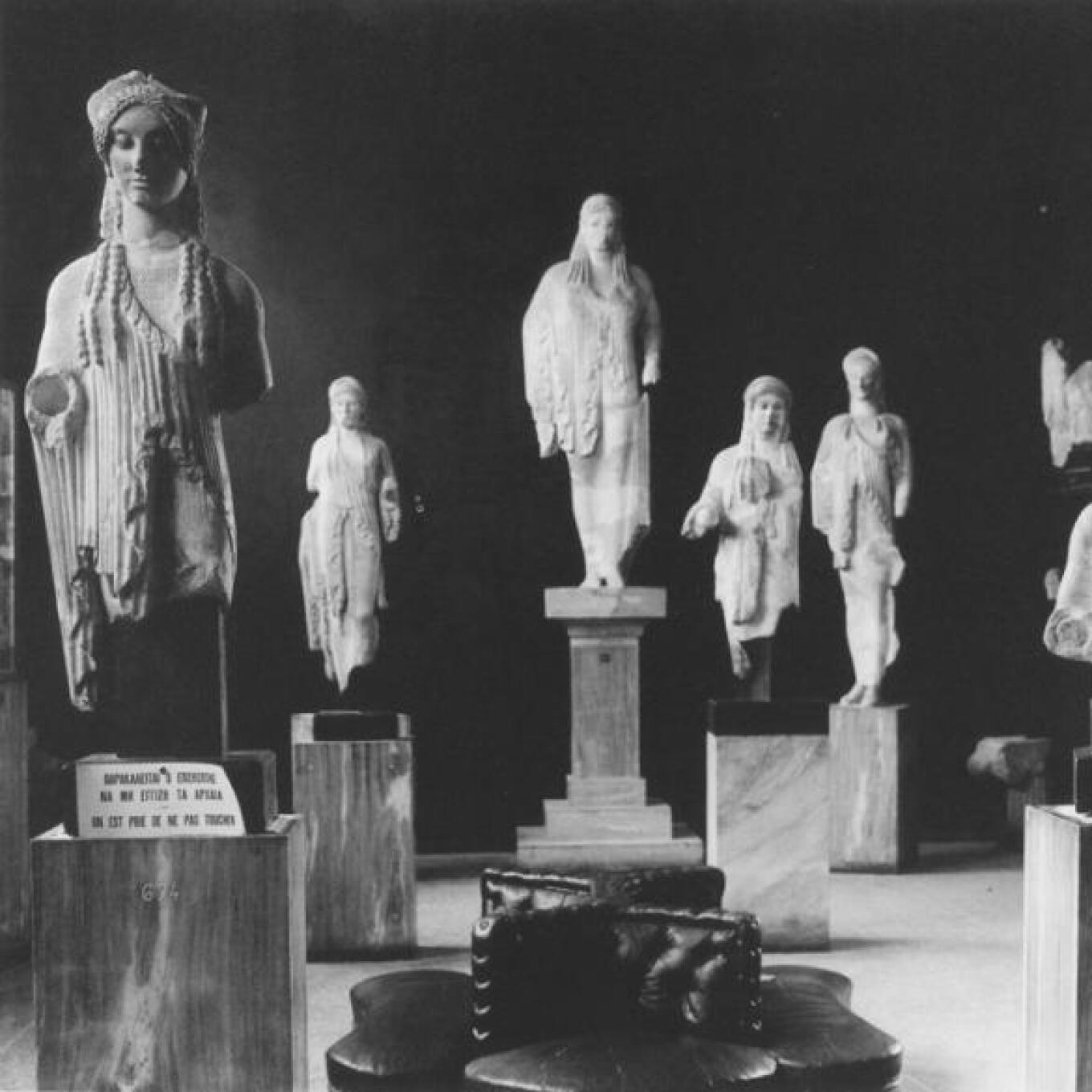
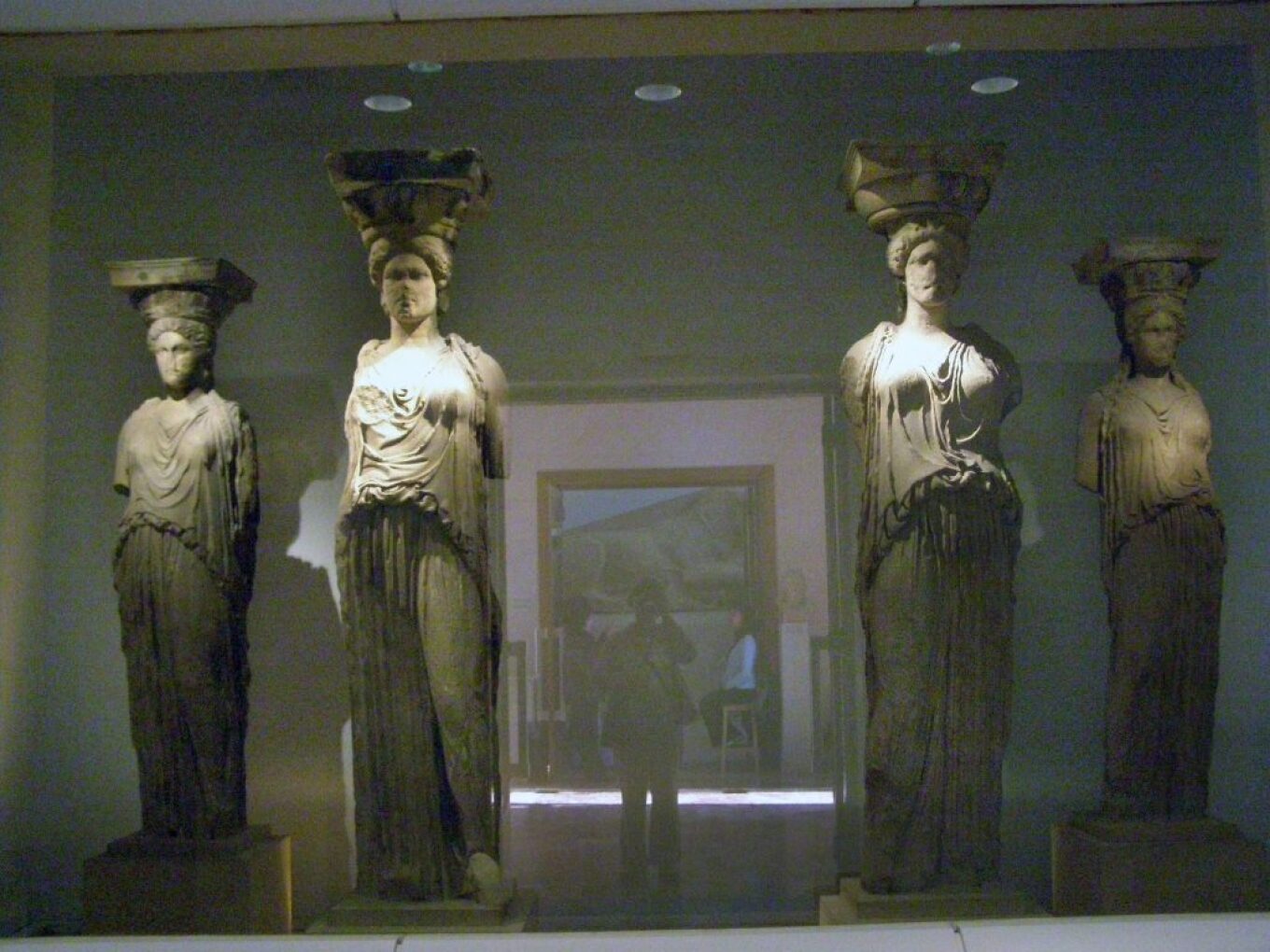
For almost a century and a half, this stone-built structure, architecturally subordinate to the magnificent monuments surrounding it, housed the celebrated sculptures by Phidias from the Parthenon frieze, the impressive Caryatids and all the other great works from the most glorious period of ancient civilisation.
It was precisely the importance of these exhibits, and the need to allow visitors from around the world to admire them in an appropriate setting, that led Konstantinos Karamanlis to propose the construction of a new museum in 1974. It would take another 35 years before the impressive, brand-new Acropolis Museum finally opened its doors in a grand ceremony in June 2009.
The Old Museum had remained closed since July 2007, following the completion of the demanding task of dismantling, packing and transferring its valuable exhibits. From then until a few years ago, when renovation work began, its rooms were used to store antiquities uncovered during excavations in the city of Athens.
The four exhibitions
The aim of reopening the Old Acropolis Museum is not simply to give a new use to an iconic building on the Acropolis hill. It is also to establish a new exhibition programme that draws on the museum’s historical identity and highlights its potential to host different but complementary approaches to cultural heritage.
With this in mind, four distinct exhibitions have been designed for the museum’s new chapter. They are not simply parallel displays, but form a programme that connects archaeological finds with historical narratives, monuments with digital representations, and the experience of memory with contemporary art.
The first exhibition, entitled Athens: The City as an Idea, features remarkable archaeological finds from Athens, most of which are being displayed for the first time. Through the exhibition, visitors will be able to follow the development of Athens, its natural and built environment, its institutions and religious practices, as well as its social and intellectual life.
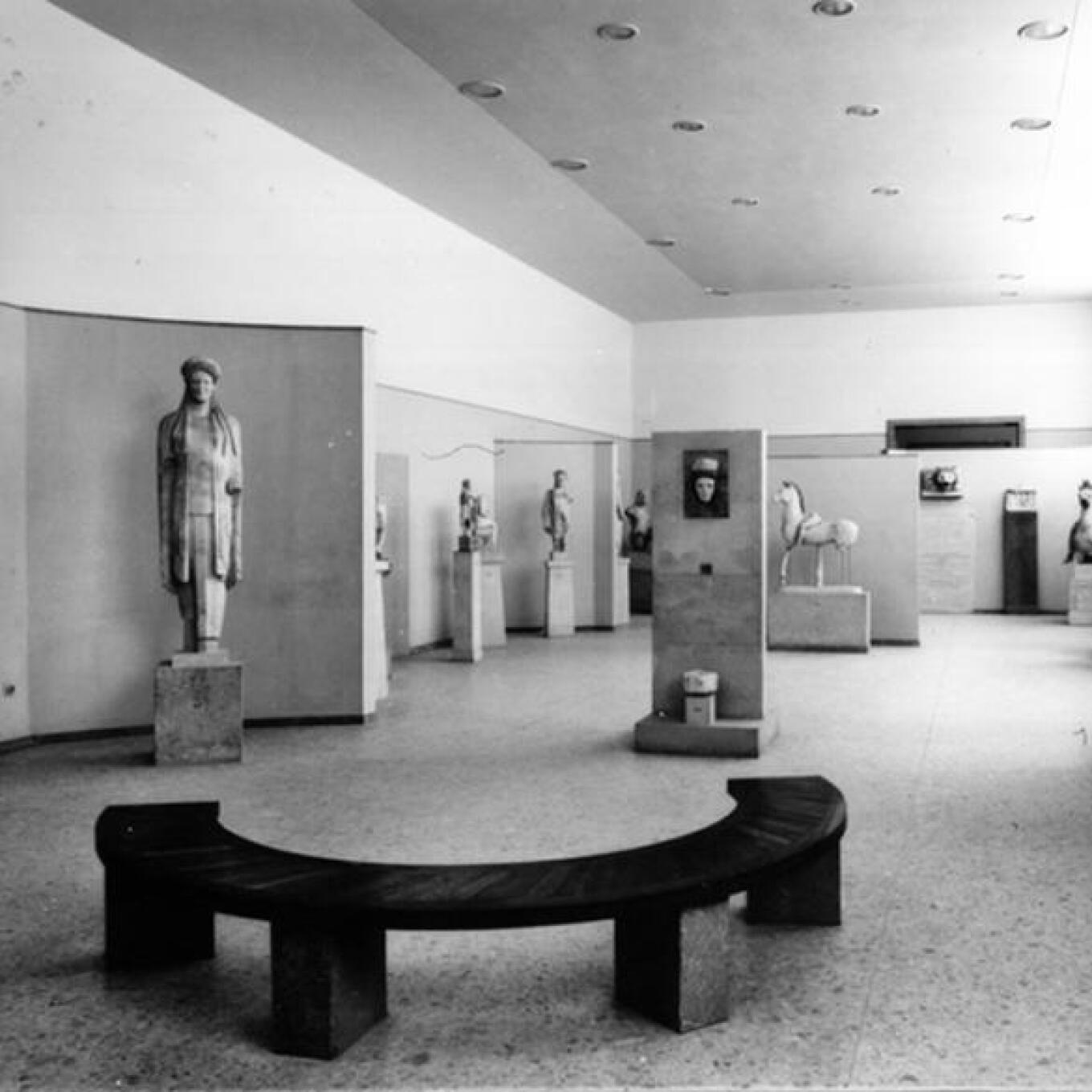
The second exhibition, which will be permanent, features stone architectural elements and inscriptions originating from the Acropolis, shedding light on aspects of the sanctuary’s architectural history, as well as the public and private life of ancient Athens. Among the highlights are public documents, decrees issued by the council and the assembly, treaties with other cities, inscriptions relating to financial and legal matters, lists of officials, dedications made by officials, honorary bases and private inscriptions, among other exhibits.
Technological innovation takes centre stage in the third exhibition, entitled Parthenon Alive. Created with the contribution of the Technical University of Crete, it uses modern technologies to explore and interpret the Parthenon.
The opening exhibition programme concludes with a contemporary art exhibition organised in collaboration with the NEON organisation, founded by Dimitris Daskalopoulos. It presents the final instalment of the trilogy Ancient Civilisations and Contemporary Art by Iraqi-American artist Michael Rakowitz, offering a different way of interpreting history through contemporary artistic creation.
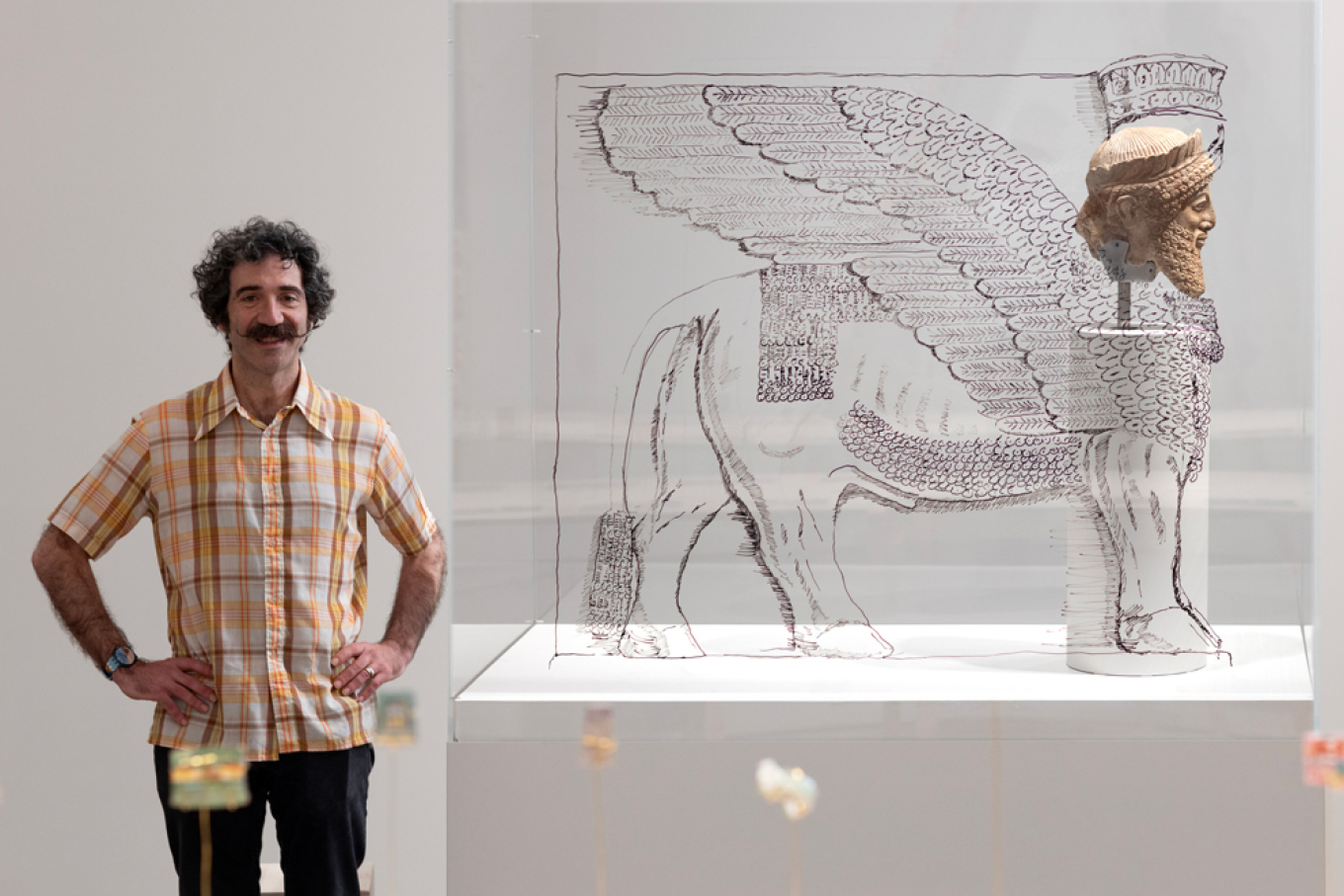
The exhibition centres on stories of diaspora and on how objects from different historical, geographical and archaeological contexts shape narratives that derive not only from geographical entities but also from historical ones. At its heart are the ancient brick – or brickwork – and clay, as construction materials used to build structures, stories and memories.
The exhibition extends across three separate rooms in the museum and includes audiovisual material, a large-scale sculpture made of fired bricks, and a model of the Acropolis Rock dating from the fourth millennium BC. The model will be surrounded by written testimonies from people from all corners of the world who were forced to leave their homelands and found themselves in Greece.
Ask me anything
Explore related questions




