





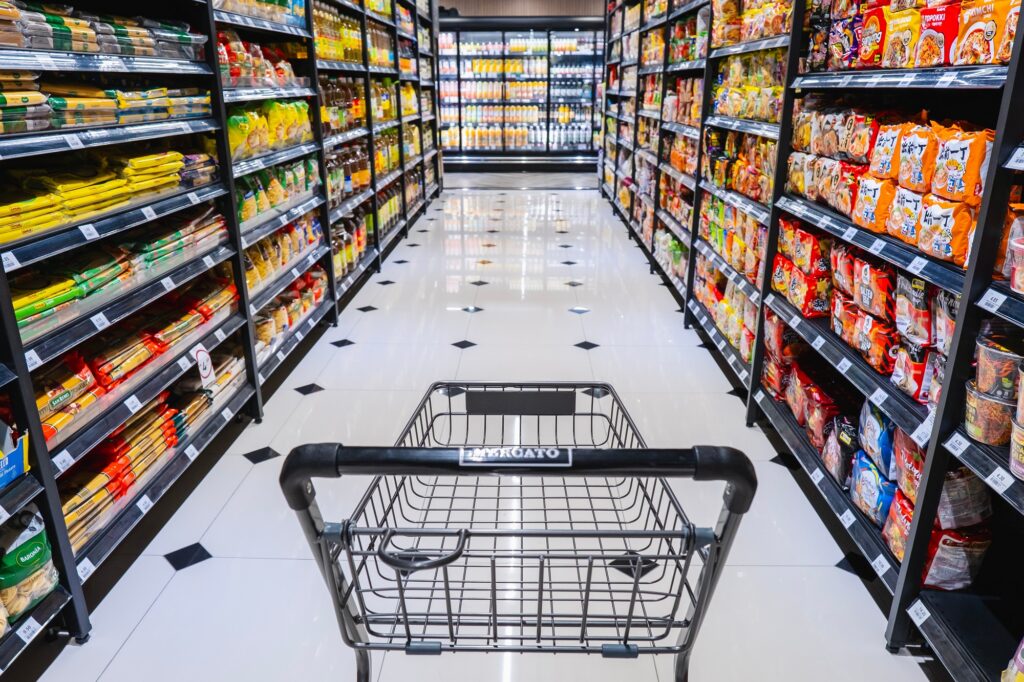
Three days without electricity or running water, and nothing in the cupboards. What would you put in your supermarket trolley? With a budget of €100, we put together a three-day shopping list for two adults, from bottled water and ready-to-eat meals to coffee and chocolate.
A prolonged power cut, a disruption to the water supply or severe weather can quickly upend daily life. The aim is to buy enough for three days and choose foods you can eat without refrigeration or cooking.
For this example, we assume two adults with no special dietary requirements and no food or water already stored at home.
The three-day shopping basket
The figures below are indicative spending targets based on budget and own-brand products. They do not reflect a completed shop at a particular supermarket.
| Category | Estimated cost |
|---|---|
| Bottled water, 27 litres | €5 |
| Tinned food and ready-to-eat meals | €25 |
| Barley rusks, crisp toast and crackers | €9 |
| Tahini, honey, nuts and cereal bars | €17 |
| Fresh and dried fruit | €12 |
| Chocolate, biscuits, coffee and snacks | €12 |
| Hygiene products and basic supplies | €16 |
| Total | €96 |
That leaves €4 to cover differences in prices between shops. If something costs more than expected, you can cut back on optional extras and keep the water and staple foods in the basket.
Water first: How much do you need?
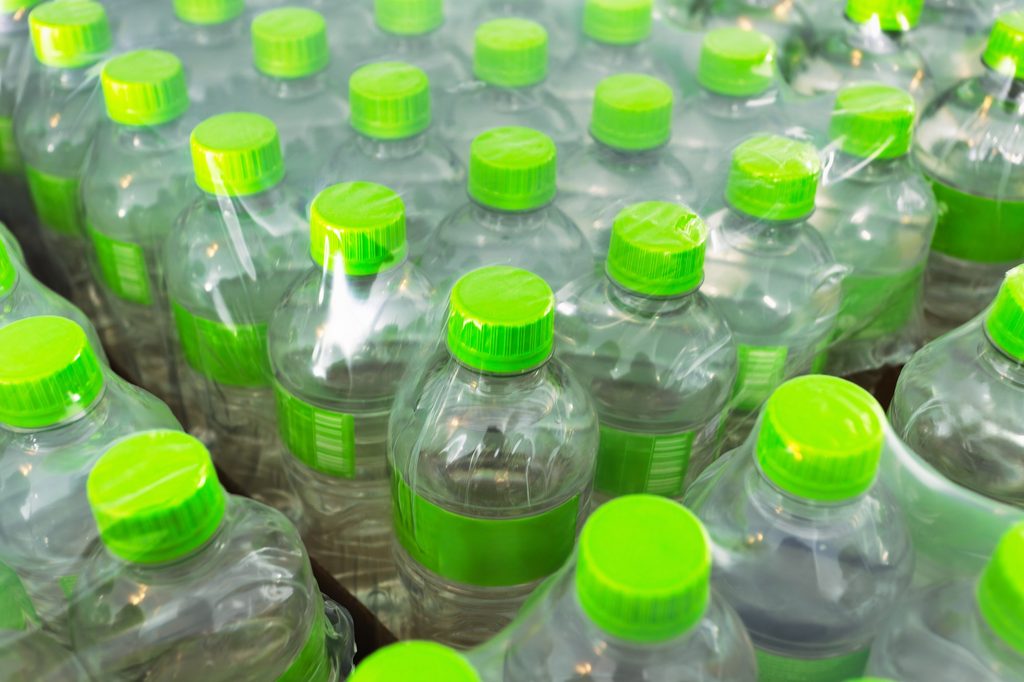
The starting allowance is 18 litres of water for two adults over three days, or three litres per person per day for drinking and limited food preparation.
Since this example assumes a complete loss of running water, the list includes three six-packs of 1.5-litre bottles, giving a total of 27 litres for an estimated €5. That provides a small reserve. Cleaning and personal hygiene will require more water, especially if the outage lasts longer or temperatures are high.
Tinned food and ready-to-eat meals
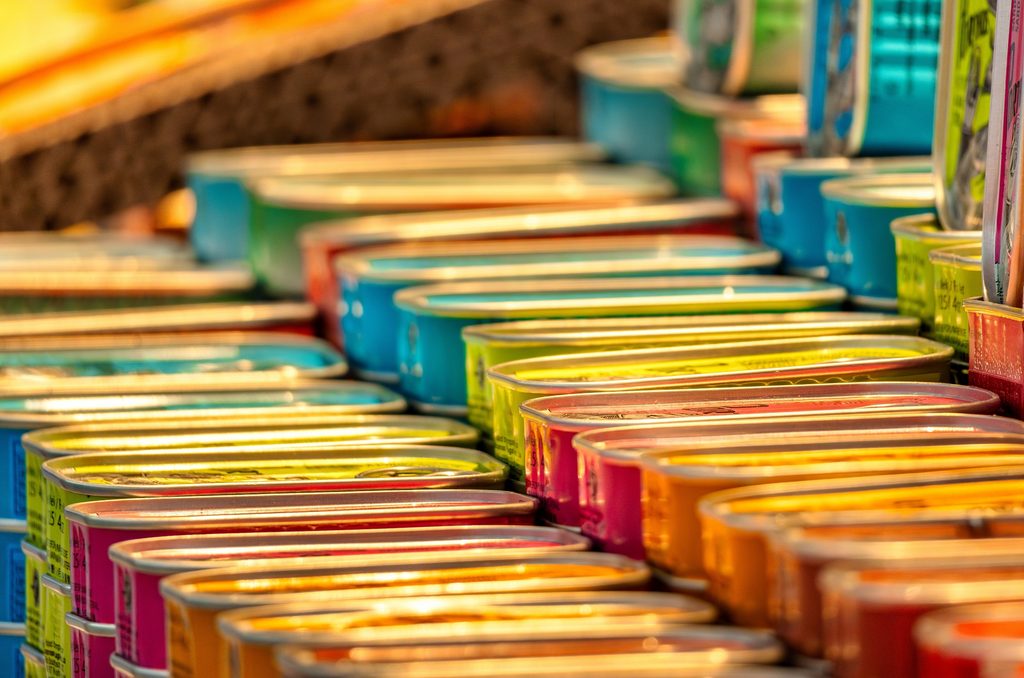
Set aside €25 for four tins of fish, such as tuna, sardines or mackerel, four packs of cooked pulses, two small tins of sweetcorn or other vegetables, and two budget ready-to-eat meals that can be stored at room temperature.
Ready-to-eat chickpeas, lentils and beans go well with rusks, fish or vegetables. Stuffed vine leaves are another option if the label says they can be eaten cold. Check the packaging for cooking and storage instructions.
Small packs are useful because you can finish them in one sitting. Without a working fridge, you cannot safely keep perishable leftovers for the next meal.
Rusks, crisp toast and crackers
For €9, buy two 400g packs of barley rusks, a pack of crisp toast and two packs of crackers or breadsticks. These keep well and can be paired with tahini or honey for breakfast, or tuna or ready-to-eat pulses for lunch or dinner.
Tahini, nuts and cereal bars
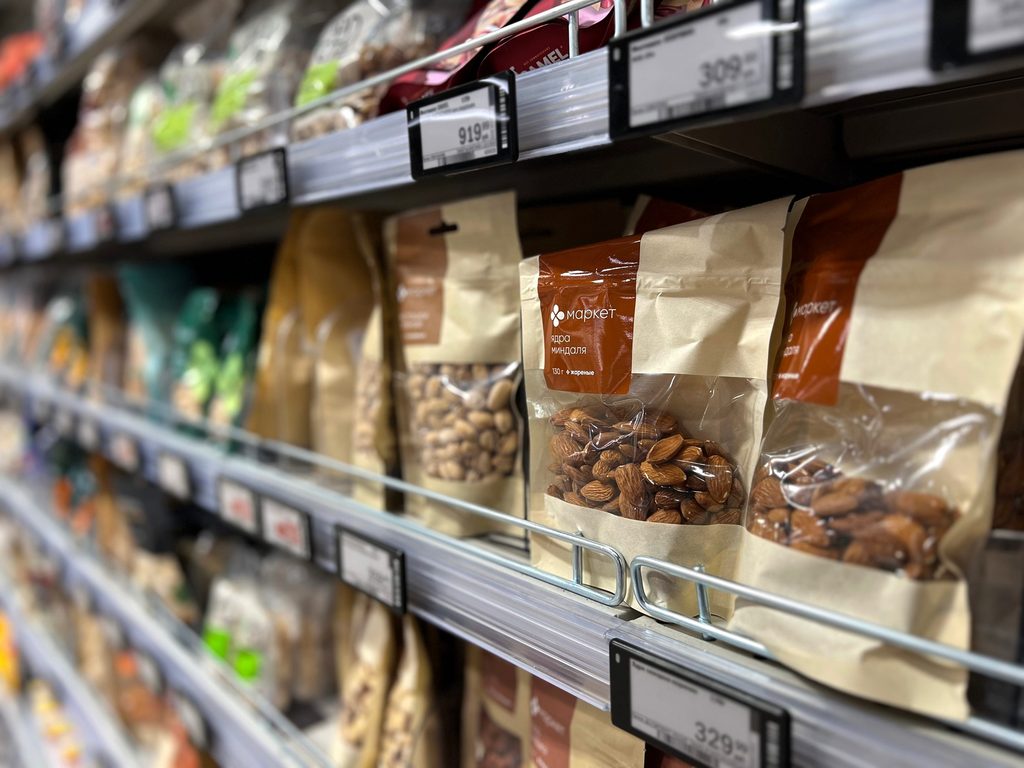
Tahini and peanut butter provide fat and protein and can be eaten straight from the jar. The €17 allowance covers a 300g to 350g jar of either spread, a small jar of honey, 400g of unsalted nuts and six cereal bars. Nuts are easy to carry and need no preparation.
Fresh fruit that keeps without a fridge
Apples, oranges and mandarins can keep for several days at room temperature if they are in good condition and stored away from heat and direct sunlight. Citrus fruit is easy to peel. Use clean hands and wash the fruit with safe water to avoid transferring dirt from the peel.
For two adults, buy four apples, four oranges and four mandarins. Add a pack of dried figs, raisins, prunes or dates for when the fresh fruit runs out. The fruit budget is €12.
Chocolate, biscuits and coffee
Another €12 covers two bars of chocolate, a pack of biscuits, a savoury snack and a small jar of instant coffee. Instant coffee can be made with cold water. If you take milk, individual cartons of long-life milk can be stored at room temperature until opened.
Is a camping stove worth buying?
A portable camping stove with a compatible fuel canister and a metal pan gives you the option of heating water and making simple meals if you have a safe outdoor space. Camping stoves should be used outdoors only. Using one inside a home, garage or other enclosed space creates a risk of fire and carbon monoxide poisoning.
With an outdoor stove, you could add couscous, instant soups or instant mashed potato to the list. Allow extra water to prepare them. The stove and fuel are outside the €100 budget. The main shopping list covers three days without cooking.
Hygiene products and other essentials
Budget €16 for kitchen roll, toilet paper, wet wipes, hand sanitiser, bin bags, and inexpensive disposable plates, cups and cutlery. Add a manual tin opener if you do not already have one.
Other essentials to keep at home include a torch, spare batteries, a charged power bank, a basic first-aid kit and any medication you take.
How to store and replenish your supplies
Keep food in a cool, dry place away from direct sunlight and heat. Check expiry dates and storage instructions, especially on ready-to-eat meals. Discard bulging tins or any that look suspicious, and avoid keeping opened packs of perishable food at room temperature for the following day.
If the taps are dry, use safe water for handwashing and food preparation. Wet wipes and hand sanitiser are useful, but they cannot fully replace washing with soap and water.
The €100 budget assumes you are starting with empty cupboards. If you already have tins, rusks, nuts or hygiene supplies, you will spend less. Use the food before it expires and replace it as part of your normal shop. Fresh fruit needs replacing more often, while tins and packaged foods can stay in the cupboard longer if you follow the storage instructions.
Ask me anything
Explore related questions




