





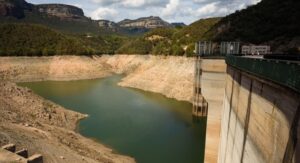
The European Commission is expected to make a formal call for member states to cut water consumption by at least 10% by 2030, under a plan to be unveiled next month that has been brought to the attention of the Financial Times. It is the first time the commission has moved to set a water efficiency target, signalling its deep concern about the rapid depletion of groundwater in Europe.
The 10% target will not be binding, but the Commission is encouraging member states to set their own national targets and invest in better data collection, which is currently largely absent from the water sector. Some countries particularly affected by drought, such as Spain, have already set their own consumption limits and efficiency measures.
“We need to think about how to use water more efficiently,” European environment commissioner Jessica Rosvall told the FT. “Even when we shower, we need to think about it.”
Danger of water scarcity in Athens – Continued drought in Cyprus and southern Europe
The pressure on Europe’s water system is now evident. Haris Sachinis, chief executive of EYDAP, has repeatedly warned that Athens risks going without water within the next two years if current hydrological conditions continue. In Cyprus, 2025 marks the third consecutive dry season and the eighth worst year for water reserves in 50 years, according to Agriculture Minister Maria Panayiotou.
In many parts of southern Europe, such as Italy and Spain, summer water restrictions, including bans on filling swimming pools, have become common practice.
Investing in infrastructure and water recycling
The Commission’s draft stresses the need for investment in pipes, pumps and treatment plants, as in many countries the rate of loss due to leakage is huge – the example of Bulgaria, where 60% of water is lost from the networks every year, is a case in point.
The Commission estimates that €23 billion a year is needed to adequately finance water infrastructure, while the European Investment Bank plans to make available a €15 billion loan and guarantee program for the period 2025-2027.
At the same time, it is noted that only 2.4% of water is recycled annually in the EU, with plans to aim to increase this percentage by promoting reuse technologies.
The new plan comes at a time of rising tensions over water rights. In countries such as France and Spain, confrontations between farmers and environmental groups over the construction of dams have sparked social backlash in recent years.
The Commission warns that the growing demand for limited water resources could lead to a “potential risk of conflict within and between member states”. “When it comes to water, it knows no borders,” the plan underlines.
The final text of the plan is expected to be officially submitted next month and may be subject to amendments before publication.
Ask me anything
Explore related questions




