





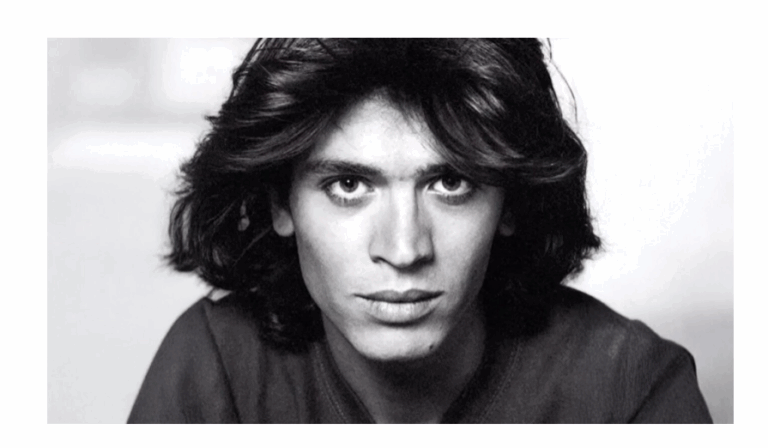
In January of that same year, journalist Lena Zannidakis from the magazine Tachydromos received a long-distance call from the United States. On the other end of the line was Billy Bo, already in critical condition as AIDS had severely affected his health. He asked to give her one final interview when he returned to Greece, requesting that she visit him alone, without photographers. As she later recalled on the TV program Machine of Time, his face was exhausted and bore little resemblance to the man who only months earlier graced magazine covers.
Shortly before the opening of his New York boutique, Billy began to feel unwell. He missed the event and underwent extensive medical testing. Once he received the final diagnosis, he isolated himself and traveled to Paris in search of treatment. News of his condition spread quickly back to Greece. According to designer Makis Tselios, reporters began searching for him in Parisian hospitals, while false rumors circulated that he had already died. Determined to return to Greece, he moved temporarily into Tselios’s home in Kavouri.
In his final interview with Zannidakis, Billy Bo expressed frustration over the spread of misinformation and opened up about the physical and emotional collapse he was experiencing.
He said:
“You try to draw courage from a doctor’s eyes, to beg—silently and out loud—for some God to free you from the nightmare you are living. And in the midst of relentless pain, bitter truths, and faint hopes, you learn people are already reporting you dead. What kind of creatures are some of you journalists? Do you have hearts, feelings? You measure pain, crime, violence, disease by the column inch. You hang your success on misleading headlines. A rumor is enough to write a low-quality serialized drama. Verifying information shouldn’t be a luxury. When a life, a career, and the professional survival of so many people is at stake, you don’t treat it carelessly. You don’t throw mud to impress or rely on gossip to sell papers. That’s dishonest and harmful.”
From Poverty to High Fashion
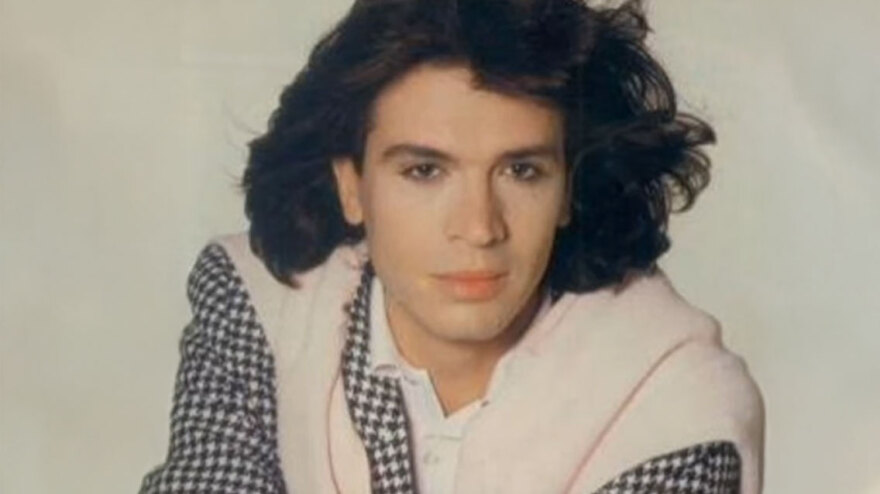
Billy Bo grew up in a poor, large working-class family in Kaminia, Piraeus, where he was born in 1954. At 16, he met Makis Tselios while working as a dancer in Plaka nightclubs and studying at the same time.
The two launched a perfume-importing business from France and, two years later, opened a haute couture boutique in central Athens. They named it “Billy Bo,” a name that Vasilis Kourkoumelis soon adopted professionally, gaining fame in Greece and abroad.
Along with running the boutique, Billy studied fashion design at the Vakalo School and later at the Veloudakis School. His boutique flourished, leading to new stores, an award from Gynaika magazine, and features in major fashion publications of the era.
A Love Story Behind the Scenes
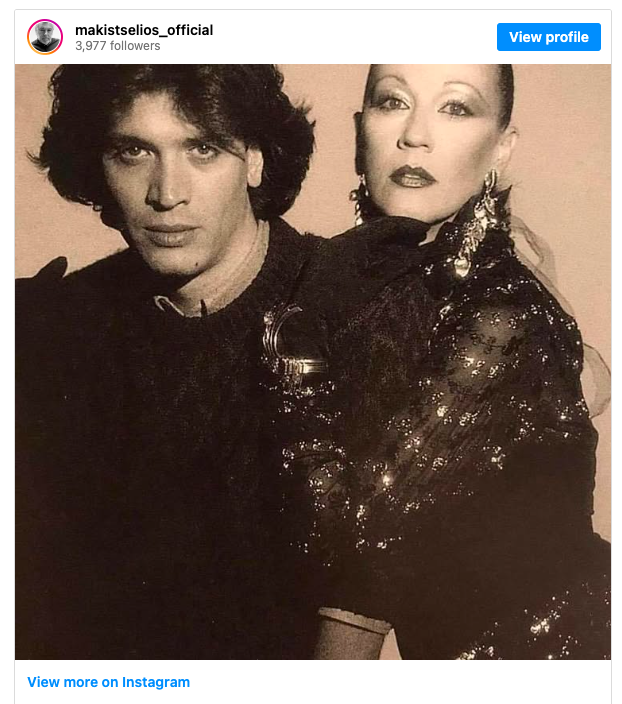
In a 2024 interview on the show Eleni, Makis Tselios spoke about his relationship with Billy Bo and the upcoming film based on his life:
“We started together, grew together, and were together when it all ended. At the height of our success, this happened, and Vasilis left us. Everything collapsed. I’ve given the book I wrote in 1989 to a production company to turn his life into a film. The money will go to charity—I won’t take anything. I’m overseeing the script and the casting for the roles of myself and Vasilis.”
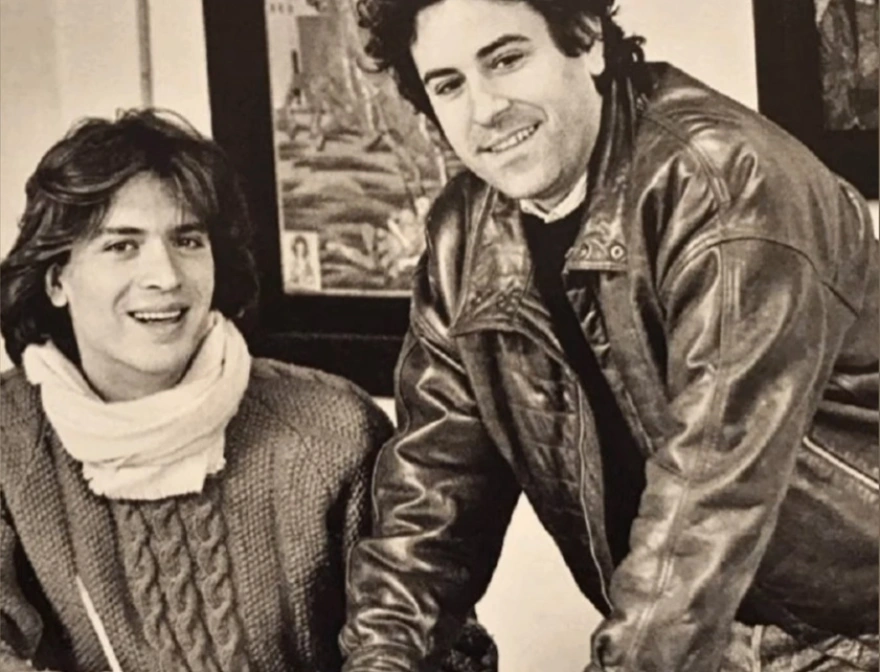
In an earlier interview in 2022, Tselios also revealed that he had been in love with Billy:
“He was 17 and I was 26. Everyone was drawn to him—men and women alike. His beauty stopped you in your tracks. There was real love between us. I wanted to help him. He was mine, and I helped him.”
Ask me anything
Explore related questions




