





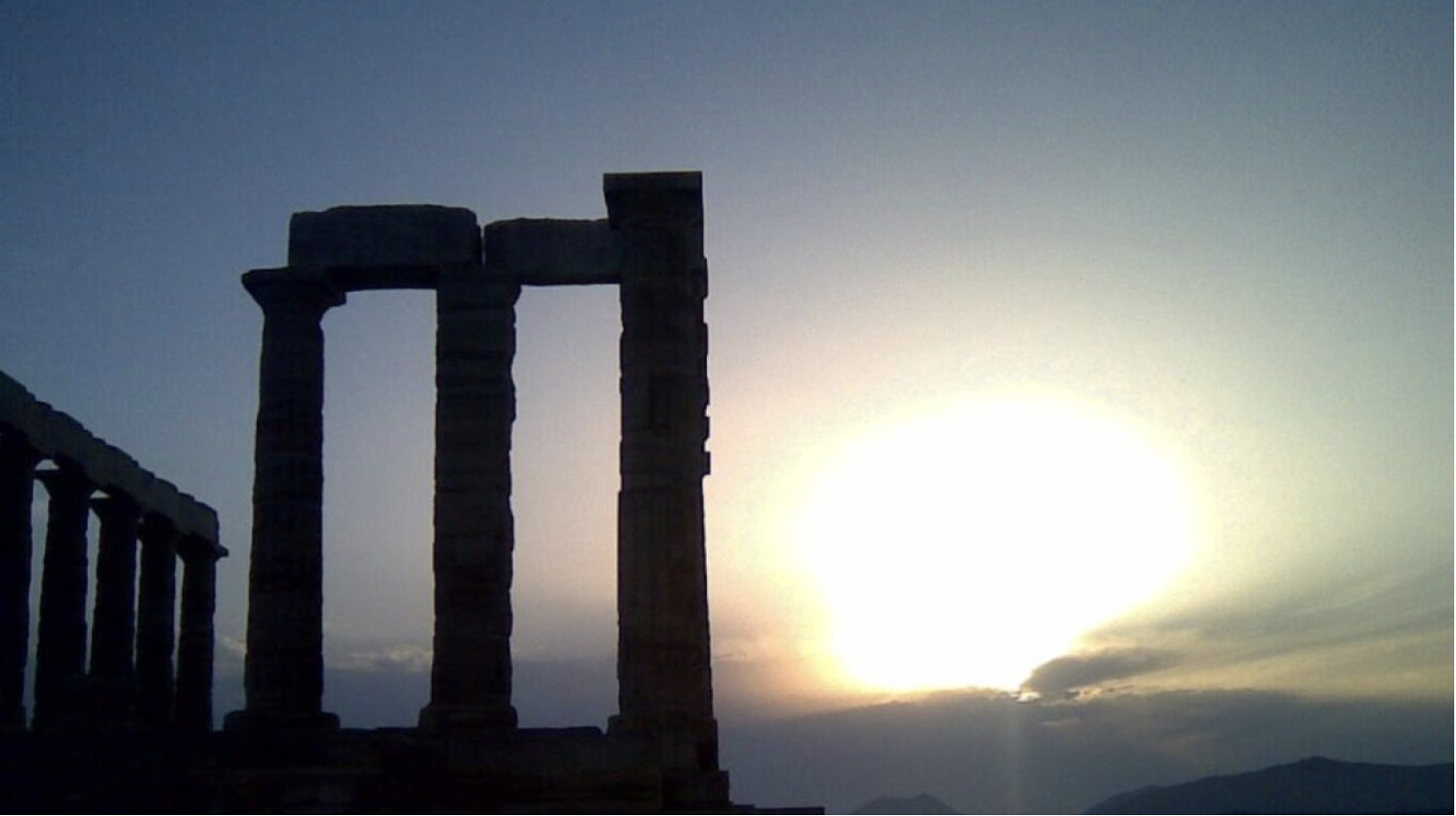
The Winter Solstice 2025 is expected on December 21, just a few days before Christmas. It is a striking astronomical event marked by the longest night and the shortest day of the year in the Northern Hemisphere. This special moment signals the official start of winter and serves as a turning point in the path of sunlight across the sky.
What the Winter Solstice Means
During the Winter Solstice 2025, the Sun will reach its lowest point in its apparent path across the sky. As a result, the day lasts shorter than at any other time of the year, while the night extends to its maximum duration. This phenomenon is a crucial point in the annual astronomical cycle because, after December 21, the days gradually start to lengthen, bringing more hours of sunlight until the Summer Solstice in June.
The Winter Solstice 2025 is not just a scientific event. In many cultures and traditions around the world, this day is celebrated as a symbol of the return of light and renewal. Historically, many societies held ceremonies and celebrations to honor this turning toward the light, seeing it as a message of hope for the coming months.
How the Winter Solstice Works and the Tilt of the Earth
The explanation behind the Winter Solstice 2025 lies in the tilt of the Earth’s rotational axis. Our planet orbits the Sun with its axis tilted about 23 degrees and 26 minutes relative to its orbital plane, called the ecliptic. This tilt is responsible for creating the four seasons.
During the first half of the year, from the spring equinox in March to the autumn equinox in September, the Northern Hemisphere is tilted more toward the Sun. The peak of this tilt occurs around June 21, during the Summer Solstice. Conversely, in the second half of the year, the Northern Hemisphere tilts away from the Sun, reaching its maximum deviation on December 21, the day of the Winter Solstice 2025.
Ask me anything
Explore related questions




