





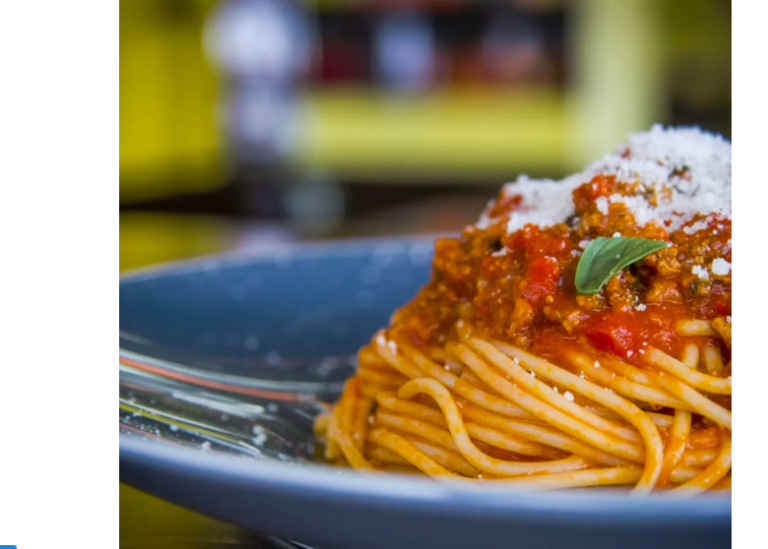
UNESCO has announced the inclusion of Italian cuisine on its list of Intangible Cultural Heritage, making Italy the first country whose national gastronomy has been granted this status. The decision recognizes the entire set of practices that define the Italian approach to cooking—an emphasis on high-quality ingredients, devotion to local varieties, traditional techniques, and the deep social role of the family table.
This recognition honors not only Italy’s emblematic dishes but also the knowledge, craftsmanship, and cultural values that accompany them, highlighting one of the most recognizable and influential culinary traditions in the world.
To mark this important moment, we have gathered classic Italian recipes prepared in the way Italian cuisine itself teaches us: clean, simple, and deeply respectful of tradition.
Iconic recipes of Italian cuisine
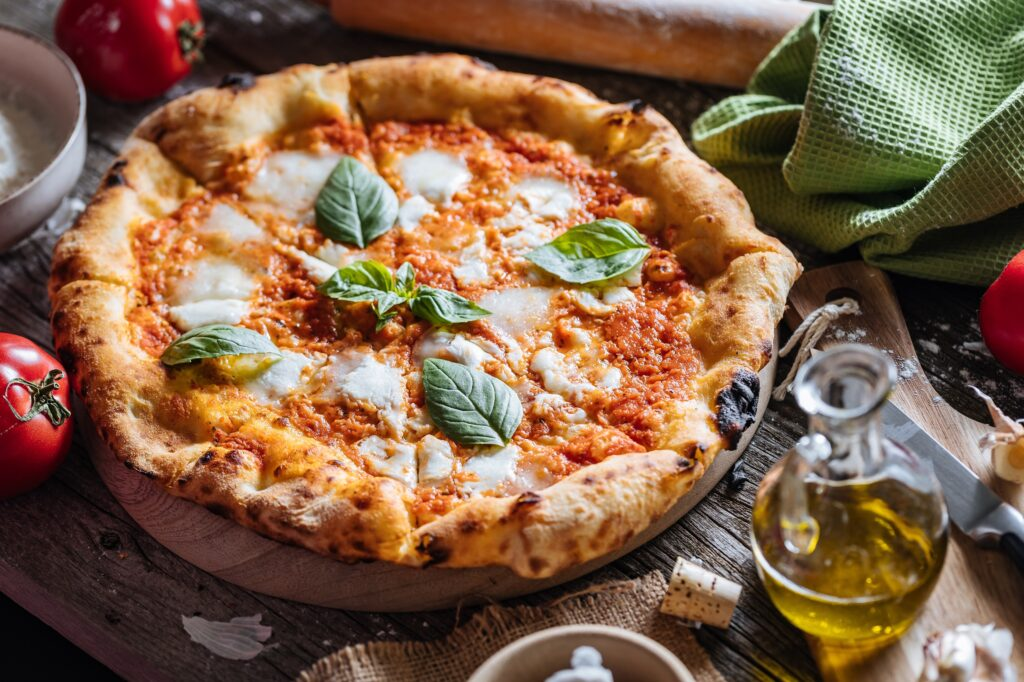
Pizza Margherita (Naples)
Originating in Naples, this iconic pizza is defined by its simple, fresh combination of tomato, mozzarella, fresh basil, and olive oil—ingredients that mirror the colors of the Italian flag. The authentic Neapolitan Pizza Margherita follows precise standards that preserve its traditional character.

Spaghetti alla Carbonara (Rome)
A classic Roman pasta dish featuring a creamy sauce made from eggs, Pecorino Romano cheese, guanciale or pancetta, and freshly ground black pepper. Rich yet restrained, it exemplifies the elegance of Roman cooking.
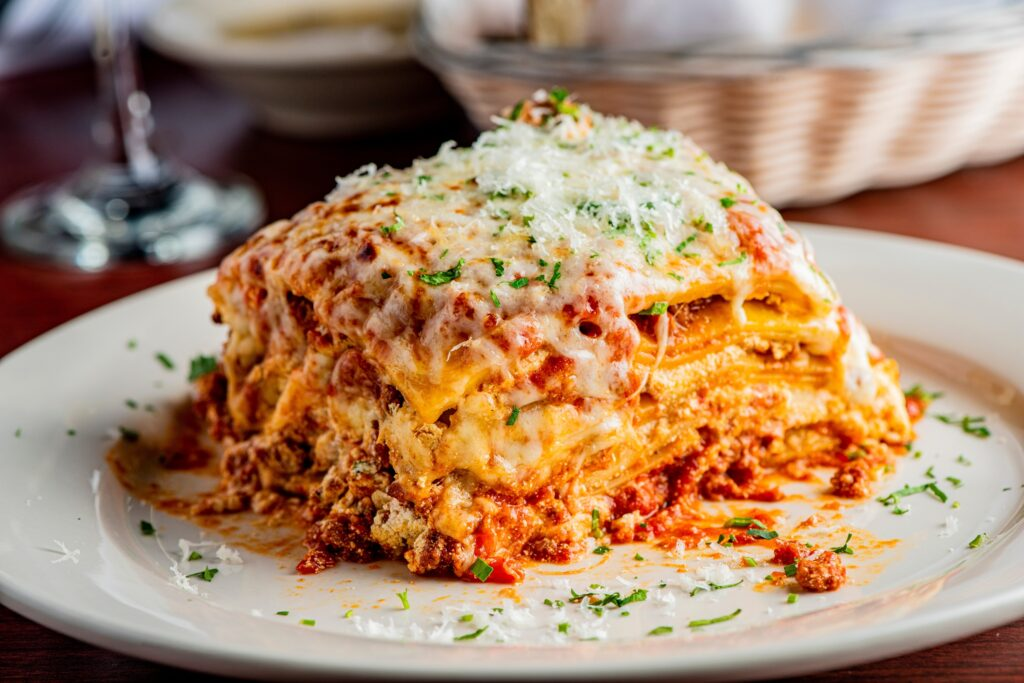
Lasagna Bolognese (Emilia-Romagna)
A hearty and timeless dish composed of layers of pasta, slow-cooked meat ragù, creamy béchamel sauce, and Parmigiano Reggiano. A cornerstone of northern Italian comfort cuisine.
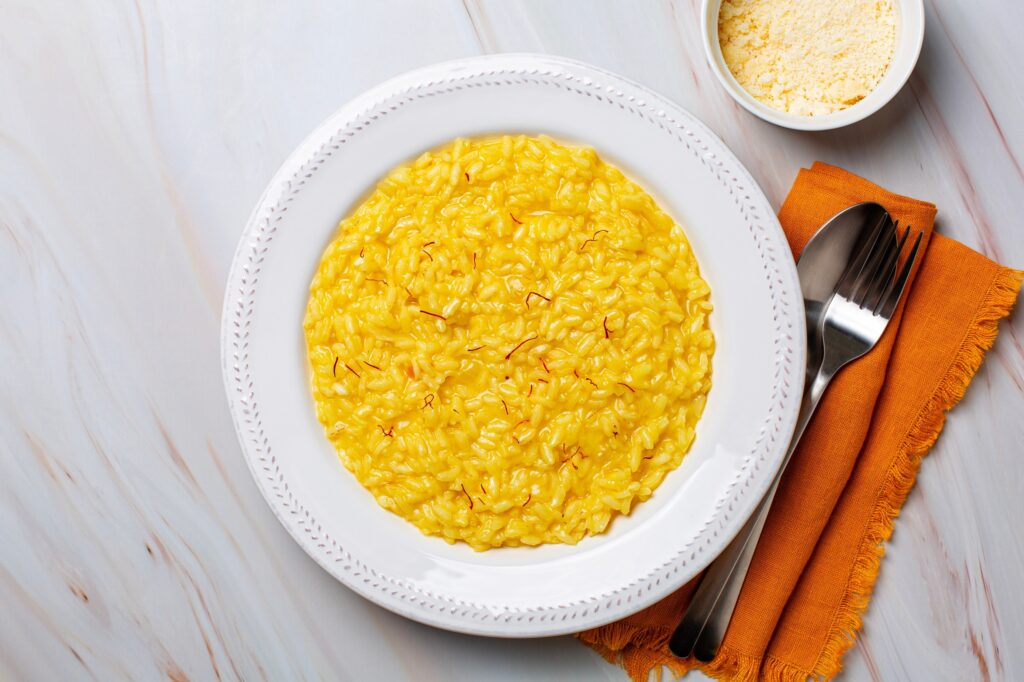
Risotto alla Milanese (Milan)
A luxurious, creamy rice dish traditionally prepared with Arborio rice, beef broth, saffron for its distinctive golden color, and Parmesan cheese. Often served on its own or alongside osso buco alla Milanese.

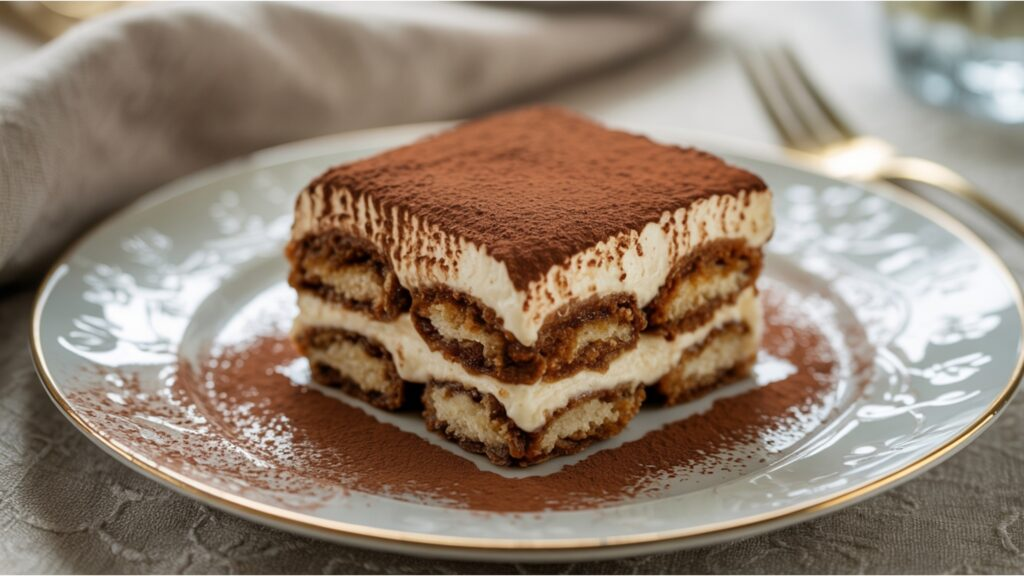
Tiramisu (Veneto)
A beloved no-bake dessert made with layers of espresso-soaked savoiardi biscuits and a velvety mixture of mascarpone, eggs, and sugar, finished with a dusting of cocoa powder.
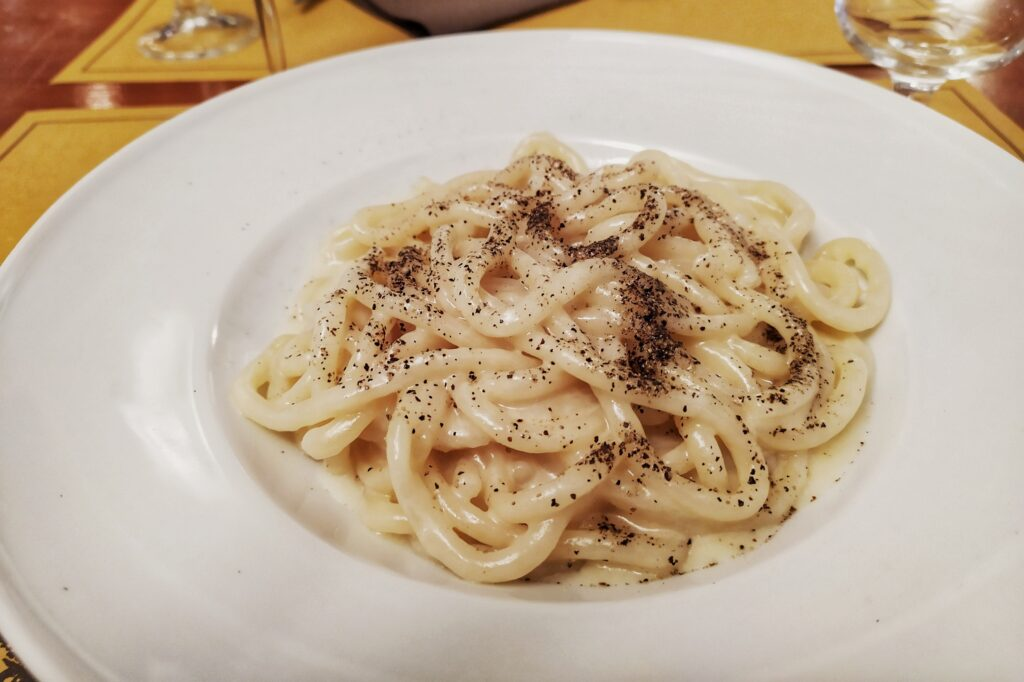
Cacio e Pepe (Rome)
Another minimalist Roman classic built on just three core ingredients: Pecorino Romano cheese, black pepper, and pasta cooking water, combined to create a silky, flavorful sauce.

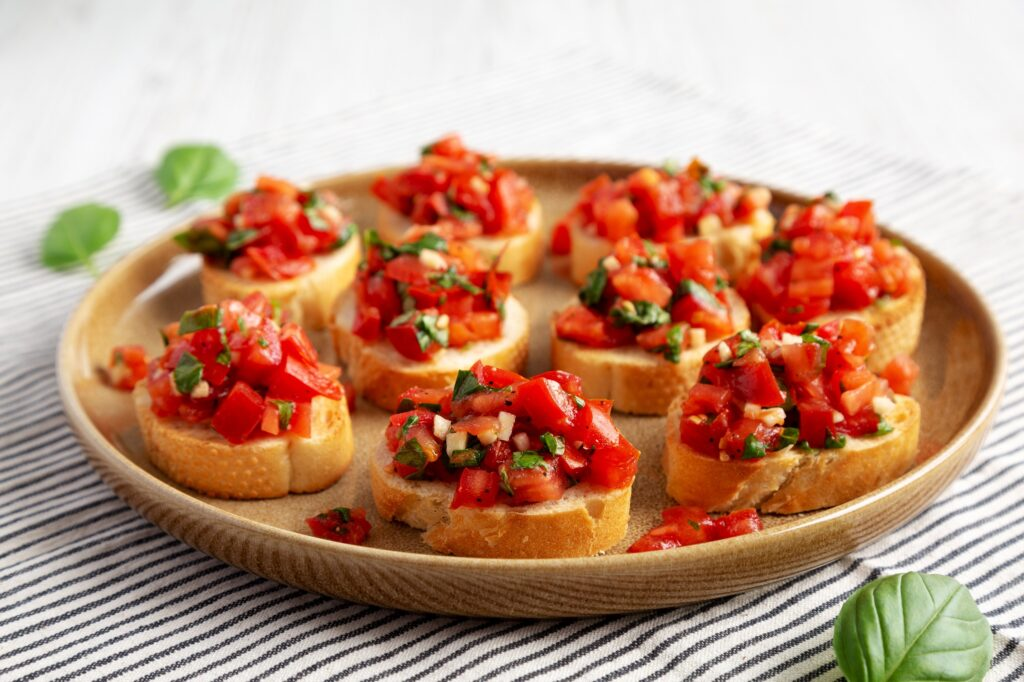
Bruschetta al Pomodoro (Tuscany)
A simple yet refined appetizer from Tuscany, made with grilled bread rubbed with garlic, drizzled with extra virgin olive oil, and topped with fresh, ripe tomatoes and basil.
Gnocchi alla Sorrentina (Campania)
Soft potato gnocchi baked in a light tomato sauce with melted mozzarella and fresh basil, a staple of southern Italian home cooking.
Panna Cotta (Piedmont)
An elegant, creamy dessert from Piedmont, made from sweetened cream set with gelatin and typically served with berry coulis or caramel sauce.
Pesto alla Genovese (Genoa)
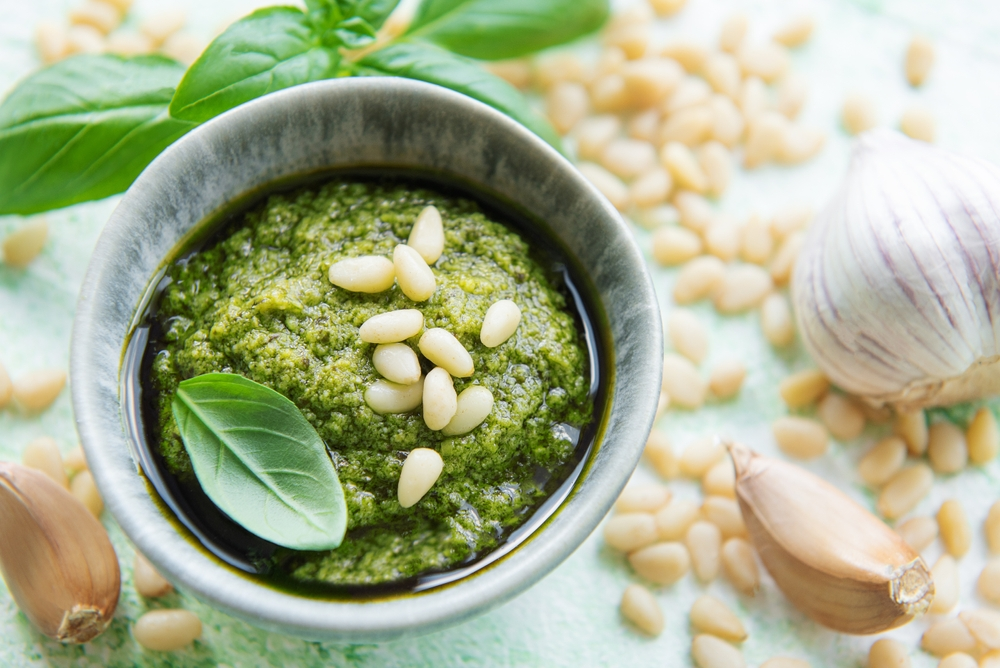
A fragrant and vibrant sauce from Liguria, prepared with fresh basil, pine nuts, garlic, Parmigiano Reggiano, Pecorino cheese, and extra virgin olive oil. Traditionally made with a mortar and pestle to preserve its aroma and vivid green color, it is most often paired with trofie or trenette pasta.
Ask me anything
Explore related questions




