





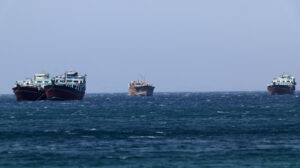
The tension over the Sea of Hormuz has sent shockwaves through global energy, shipping and aviation markets. The nightmare scenario, which the global shipping industry in particular has feared for years but never really believed would materialize, has now become a reality.
Hundreds of ships remain stranded in the Persian Gulf, VLCC supertanker fares are soaring to historic levels reaching as high as $500,000, and war risk premiums are skyrocketing, with insurers withdrawing coverage for transits through the region. Maritime traffic is being proactively reduced, the region’s ports are under pressure and commercial airlines are looking for new routes to bypass the turmoil in the Middle East. Logistics companies are looking at overland transport and alternative ports, while major producing countries and energy-importing nations are considering bypassing through pipelines and new sea routes.
The next day of the crisis depends on the duration and escalation of hostilities. In the short-term scenario, with limited tension and no complete disruption of flows, Brent prices could hover around $80-90 per barrel, with markets quickly absorbing the geopolitical premium. In the medium-term scenario, if shipping remains restricted and the disruption to energy flows lasts for more days or weeks, prices could exceed $100 per barrel. In the most severe and prolonged scenario, with long-term disruption and limited international trade, Brent could even reach $120 per barrel, putting pressure on all global trade and supply chains, both maritime and air.
Ask me anything
Explore related questions




