





Oil and natural gas prices surged sharply, as attacks on energy facilities in Qatar and Iran intensified fears of a broader supply shock in the global energy market.
Brent crude rose above $114 per barrel today (March 19), marking an increase of more than 6%, while U.S. WTI hovered near $97.
At the same time, natural gas prices in Europe skyrocketed, with the Dutch TTF contract jumping by nearly 30%, reaching as high as €70.8 per megawatt-hour.
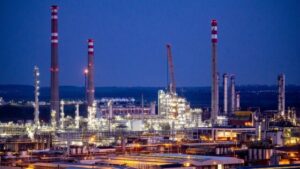
The surge is mainly attributed to strikes on critical liquefied natural gas (LNG) infrastructure. Ras Laffan, the world’s largest LNG export facility, suffered “extensive damage” from Iranian missile attacks, according to Qatari authorities.
Authorities quickly deployed forces to extinguish fires, while no casualties were reported. Qatar’s Ministry of Foreign Affairs described the attack as a “dangerous escalation” and a “blatant violation of sovereignty,” leaving open the possibility of a response under international law.
Ripple effects on supply
The escalation follows warnings from Tehran about potential attacks on energy infrastructure in Saudi Arabia and the United Arab Emirates, after an Israeli strike on a gas processing facility in Iran.
Qatar, the world’s second-largest LNG exporter after the United States, has already suspended production at key facilities, affecting nearly 20% of global LNG supply.
Meanwhile, shipping through the Strait of Hormuz — through which about one-fifth of global oil supply passes — remains largely blocked, further intensifying concerns about supply adequacy.
From disruption to supply crisis
Analysts warn that the energy market is entering a more dangerous phase. Energy consultant Tom Kloza described a potential “out-of-control” scenario if attacks expand beyond the Persian Gulf, even to European or U.S. facilities.
Similarly, Dan Pickering noted that the market is shifting from a logistics issue to a pure supply problem:
“There is a big difference. Supply chain issues can be resolved quickly — but if production itself is affected, the crisis escalates.”
In such an environment, markets are now pricing in extreme scenarios, with investors rushing to secure supplies, increasing volatility and pushing prices to new highs.
Ask me anything
Explore related questions




