





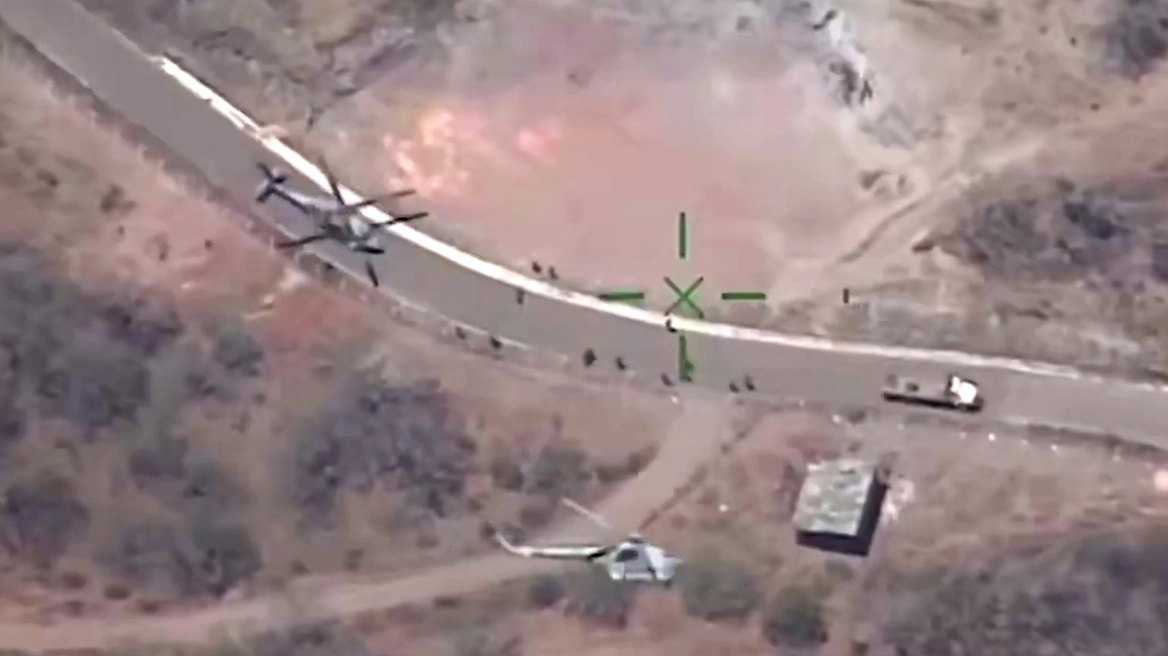
Mexican special forces arrested Auidias Flores, known as “El Jardinero,” one of the top leaders of the powerful Jalisco New Generation Cartel (CJNG), in the western state of Nayarit, Security Minister Omar García Harfuch announced on Monday.
Flores, a regional commander controlling large cartel territories along the Pacific coast, was considered a possible successor to Nemesio Oseguera, known as “El Mencho,” who had led the cartel and was killed in a security operation in February.
According to a statement from the Mexican Navy, which led the operation, security forces surrounded a hideout in the El Mirador area, about 20 km north of the tourist resort of Puerto Vallarta, where Flores was protected by around 30 pickup vehicles and more than 60 armed men.
His escorts attempted to scatter to distract the authorities, but Flores was located while trying to hide in a drainage ditch. “The operation was carried out with surgical precision, without a single shot being fired,” the Navy said.
Videos released by the security minister on social media show aerial footage of the arrest, with helicopters flying over the area. The operation followed 19 months of surveillance and involved more than 500 soldiers, six helicopters, and several aircraft.
After his arrest, riots and unrest broke out in Nayarit, including road blockades, vandalism, and exchanges of gunfire, authorities said.
The United States participated in the operation and had offered a $5 million reward for his capture. According to a security official, U.S. intelligence, including aerial surveillance, was used.
It has not been clarified whether Flores will be tried in Mexico, but the security minister said his extradition to the United States is being requested, where he is wanted.
Later the same day, authorities also arrested César Alejandro N., known as “El Güero Conta,” allegedly Flores’ key money launderer and trafficker.
A former DEA official said Flores’ arrest could have an even greater impact on the cartel than the killing of El Mencho.
Flores reportedly played a central role in cartel operations, controlling drug labs, smuggling routes, and distribution networks in the United States.
Mexico has intensified security operations under pressure from U.S. President Donald Trump, who has repeatedly threatened unilateral military action if cartels are not sufficiently targeted.
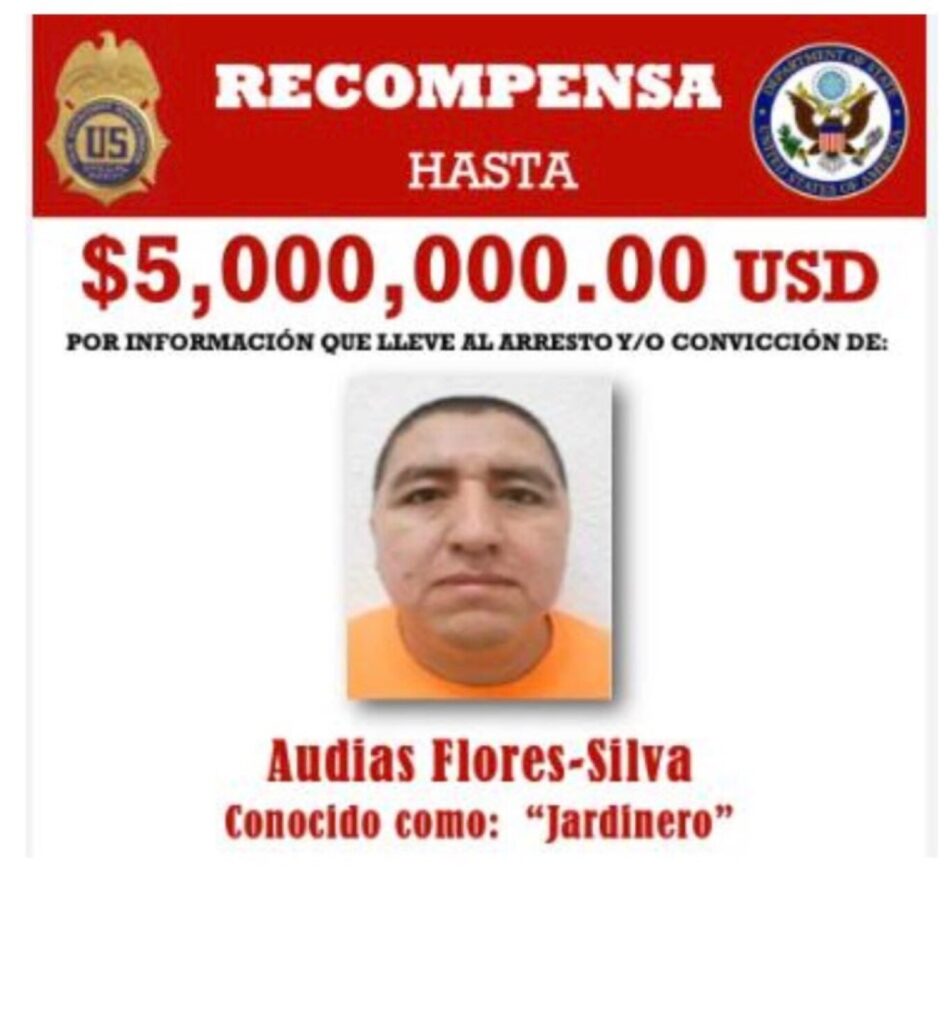
The U.S. ambassador to Mexico called the arrest a significant step in the fight against fentanyl trafficking and violence.
The case comes at a time of heightened international scrutiny of security in Mexico ahead of the upcoming FIFA World Cup, which the country will co-host with the United States and Canada.
Ask me anything
Explore related questions




