





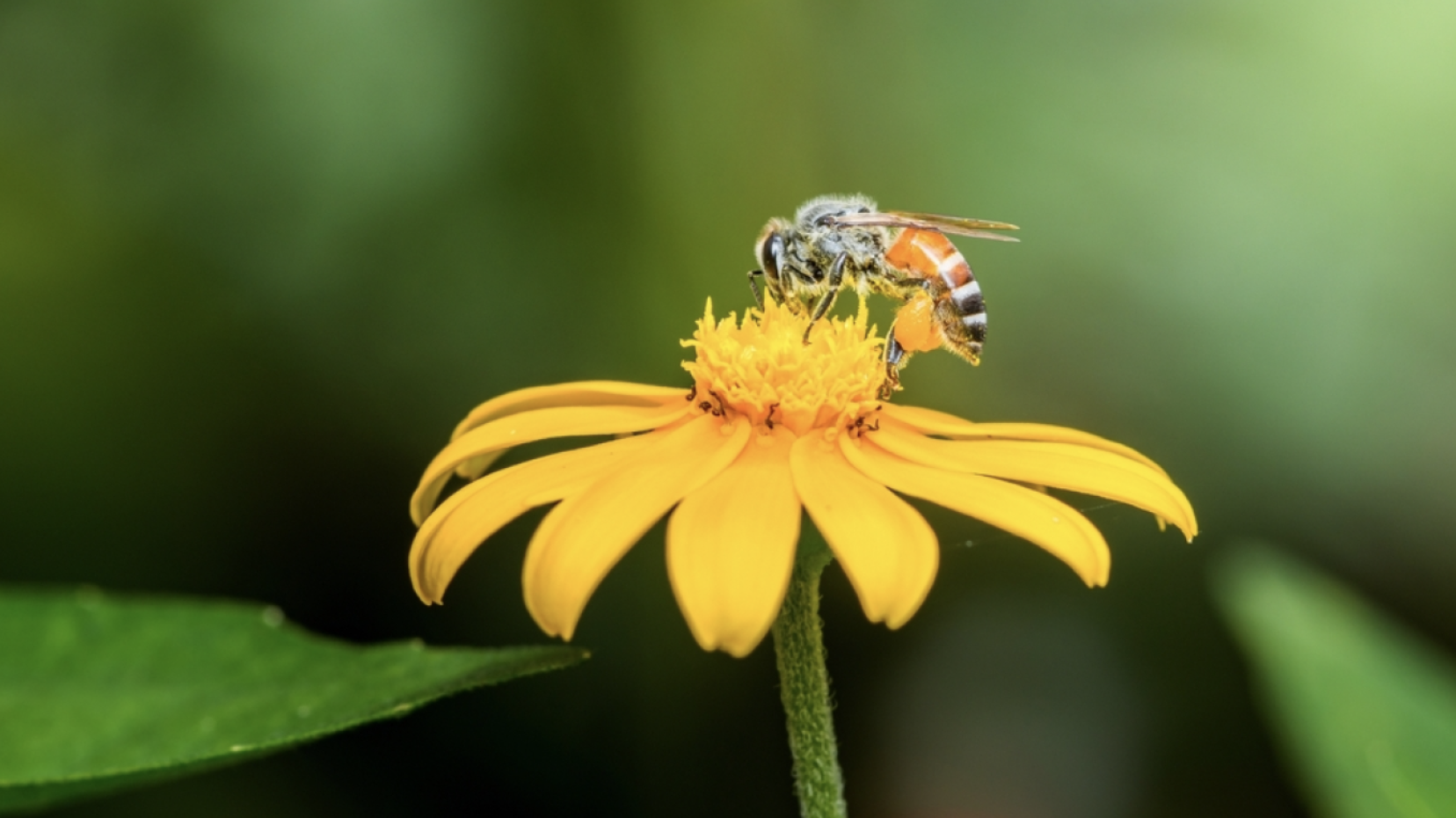
Pollinating insects are vital for the production of many fruits, vegetables, and legumes that provide essential vitamins and minerals in our diets. The decline in these species, largely driven by habitat loss and human-caused climate change, may negatively affect human nutrition, potentially leading to increased mortality and disease. However, clear evidence of how their decline impacts people has remained limited until now.
A research team led by the University of Bristol conducted a study across ten farming villages and surrounding areas in Nepal over more than a year. The researchers mapped the full relationship between pollinators, crop yields, and nutrient availability.
The study examined the diets, nutritional status, agricultural practices, and socioeconomic conditions of 776 people living in small farming communities, while also recording the pollinator species contributing to food production and livelihoods.
Researchers found that insect pollinator species account for 44% of household income and contribute more than 20% of the intake of vitamin A, folate, and vitamin E.
The team then modeled how changes in pollinator numbers could affect human diets and livelihoods under three scenarios:
- an extreme scenario involving complete loss of local pollinators,
- a conservative estimate of pollinator decline by 2030 based on local bee population data,
- and a recovery scenario.
Across all scenarios, declining pollinator populations were linked to lower nutrient intake and reduced household income, with vitamins A and C, folate, and calcium being the most affected nutrients.
Under the extreme and conservative scenarios, the loss of pollinators is projected to reduce rural household income by 44% and 14% respectively by 2030. In the recovery scenario, household income is expected to rise by 15%, while micronutrient intake would improve.
The study highlights that the relationship between pollinators and humans is essential for maintaining both environmental and human health. Researchers noted that simple measures such as planting wildflowers, reducing pesticide use, and protecting native bee populations could help increase pollinator numbers, benefiting both nature and human well-being.
Ask me anything
Explore related questions




