





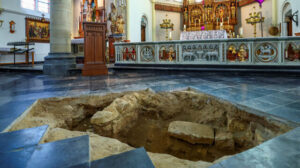
A skeleton found beneath church in Maastricht this year cannot be definitively identified as belonging to the famous French musketeer Charles de Batz de Castelmor d’Artagnan, city officials said today, as certain findings are raising new questions about this theory.
“For now, the true origin of the skeleton and the circumstances of his death remain unclear. Further investigation may reveal whether an authentic piece of history has been uncovered—or not,” city officials said.
The investigation into the remains, which were discovered in the Church of Saints Peter and Paul, has not “completely” ruled out the possibility that the skeleton actually belongs to d’Artagnan, they said, but it has revealed several “unexpected findings” that point in a different direction.
The musketeer d’Artagnan may have been found beneath a church in Maastricht, but there are doubts https://t.co/cBrUl3dMo5
— RTL Nieuws (@RTLnieuws) July 2, 2026
The skeleton found is believed to belong to a man estimated to be between 44 and 66 years old, an age range that includes that of d’Artagnan, who was 62 when he was killed.
However, the bones cannot be dated to determine when the man died.
And the analyses suggest that the man’s diet was rich in fish, a diet more typical of eastern or southern Europe than of Gascony in southeastern France, where d’Artagnan was born.
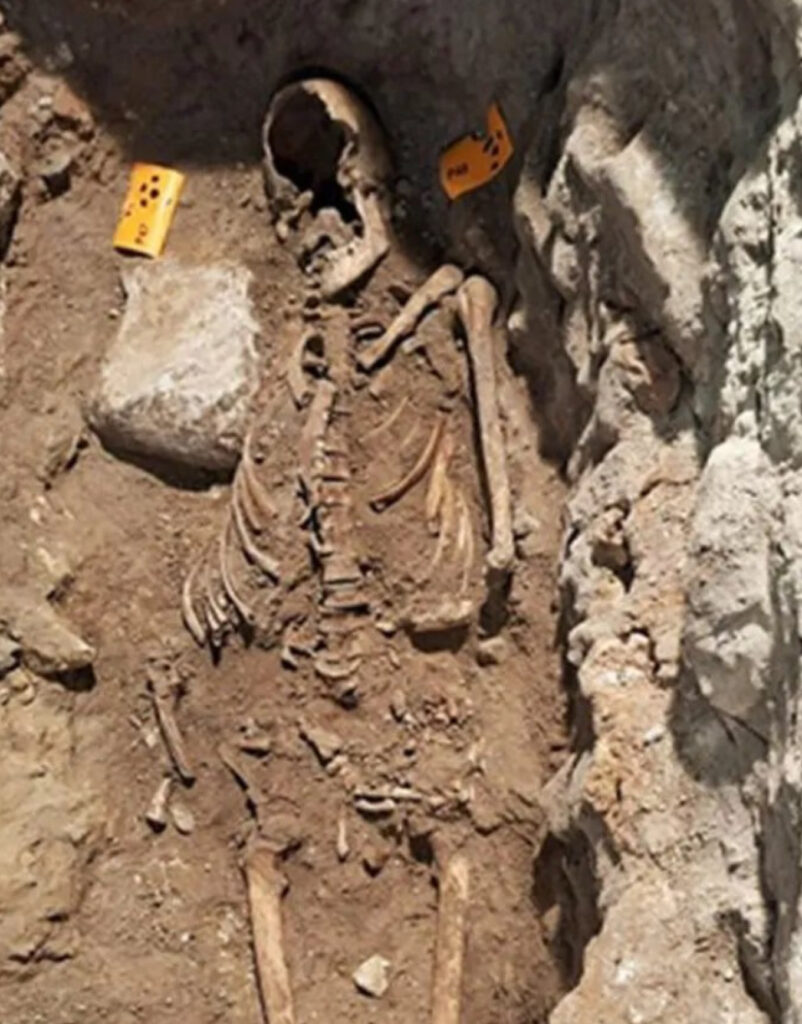
🇳🇱 The remains of the musketeer d’Artagnan may have been discovered in the Netherlands
The skeleton of the famous musketeer, who died in the 17th century, was discovered in February during renovations to a church in Maastricht. It was found under an old altar where noblemen… pic.twitter.com/1bmRt50sf3
— Based & Viral (@ViralBased) March 25, 2026
The investigations were delayed due to a lack of permits
“This raises the question of whether such a diet was common among Catholic musketeers from France in the 17th century,” the researchers stated in the city’s press release.
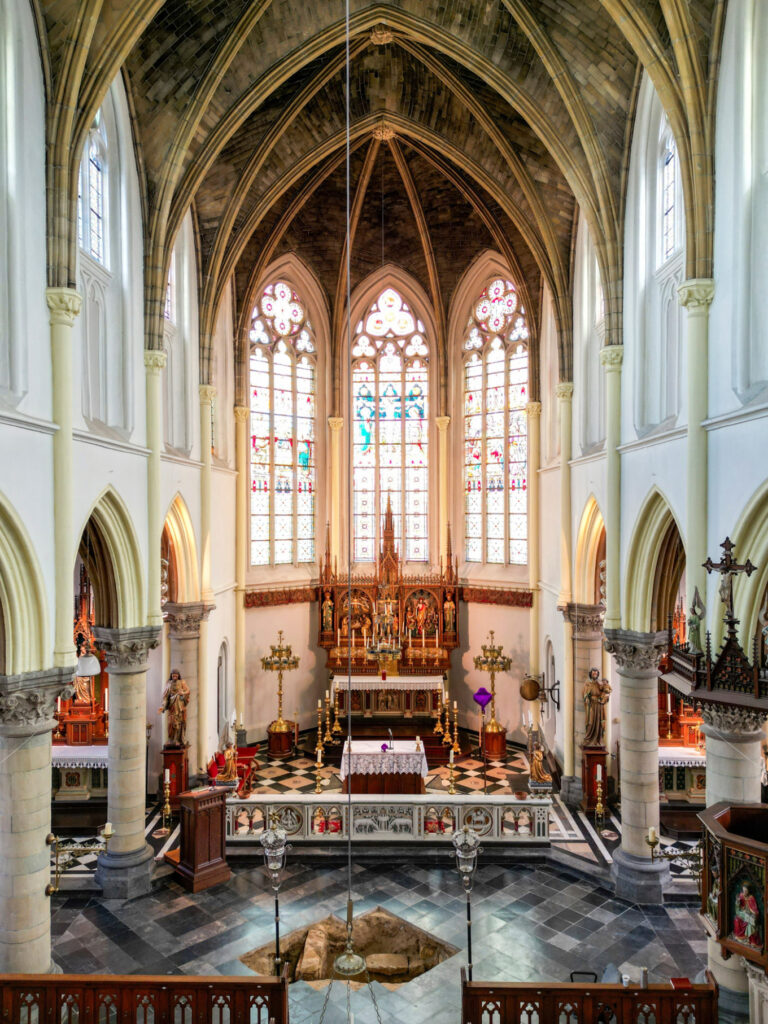
Researchers stated that the investigation was delayed due to the actions of a retired archaeologist who began excavating the tomb beneath the church floor without the necessarypermits.
A great deal of valuable information has been “irretrievably lost” during his work, as he likely caused damage to the skeleton’s skull and did not document his work according to standards, making it impossible to date the tomb, they said.
The archaeologist, Wim Dijkman, was forced to halt his work when the church discovered he did not have the necessary permit—a professional team took over the excavation on March 13.
The authorities had not been informed
In an interview he gave in May on the Dutch television program Nieuwsuur, Dijkman said he had not informed the authorities about his work at the church, as he wanted to be credited with the discovery.
He also admitted that he had collected several bones in a plastic bag and stored them in a shed in his garden—he returned them to the authorities only after the police told him to do so.
A character created by Alexandre Dumas in his 1844 novel *The Three Musketeers*, d’Artagnan is a real historical figure who was killed during the French siege of Maastricht in the Franco-Dutch War on June 25, 1673.
According to historians, the church could be his final resting place, but researchers noted that he may also have been buried in a mass grave.
Further research is needed to determine whether there is a possibility of identifying him as d’Artagnan, they said, including through ancient DNA analysis.
Ask me anything
Explore related questions




