In its purest form, Oyster Perpetual is almost austere. Hours, minutes, seconds. No complications, no mood for showmanship. And yet, it is precisely this simplicity that makes it so definitive. It’s not a watch that tries to impress. It’s a watch that solves problems.
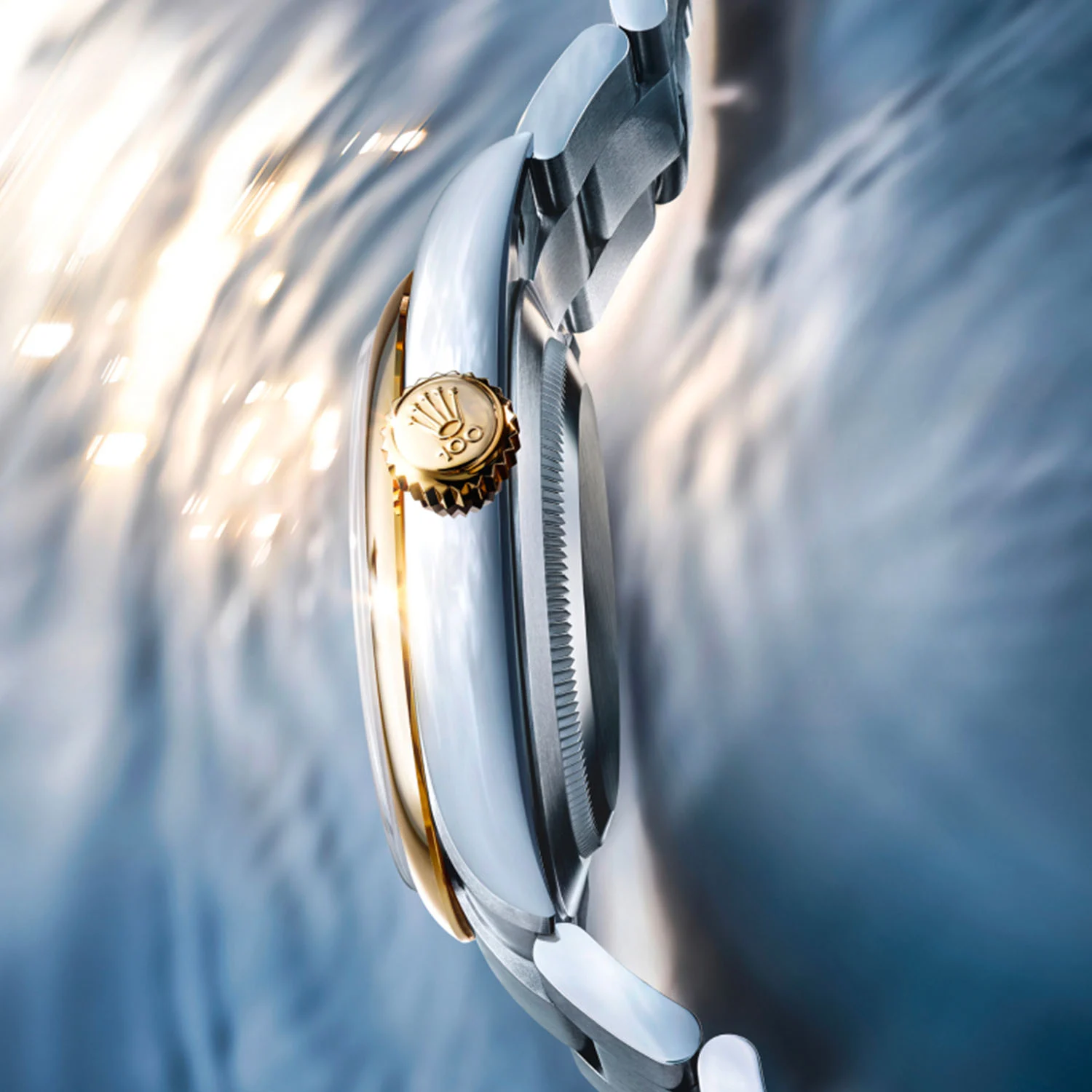
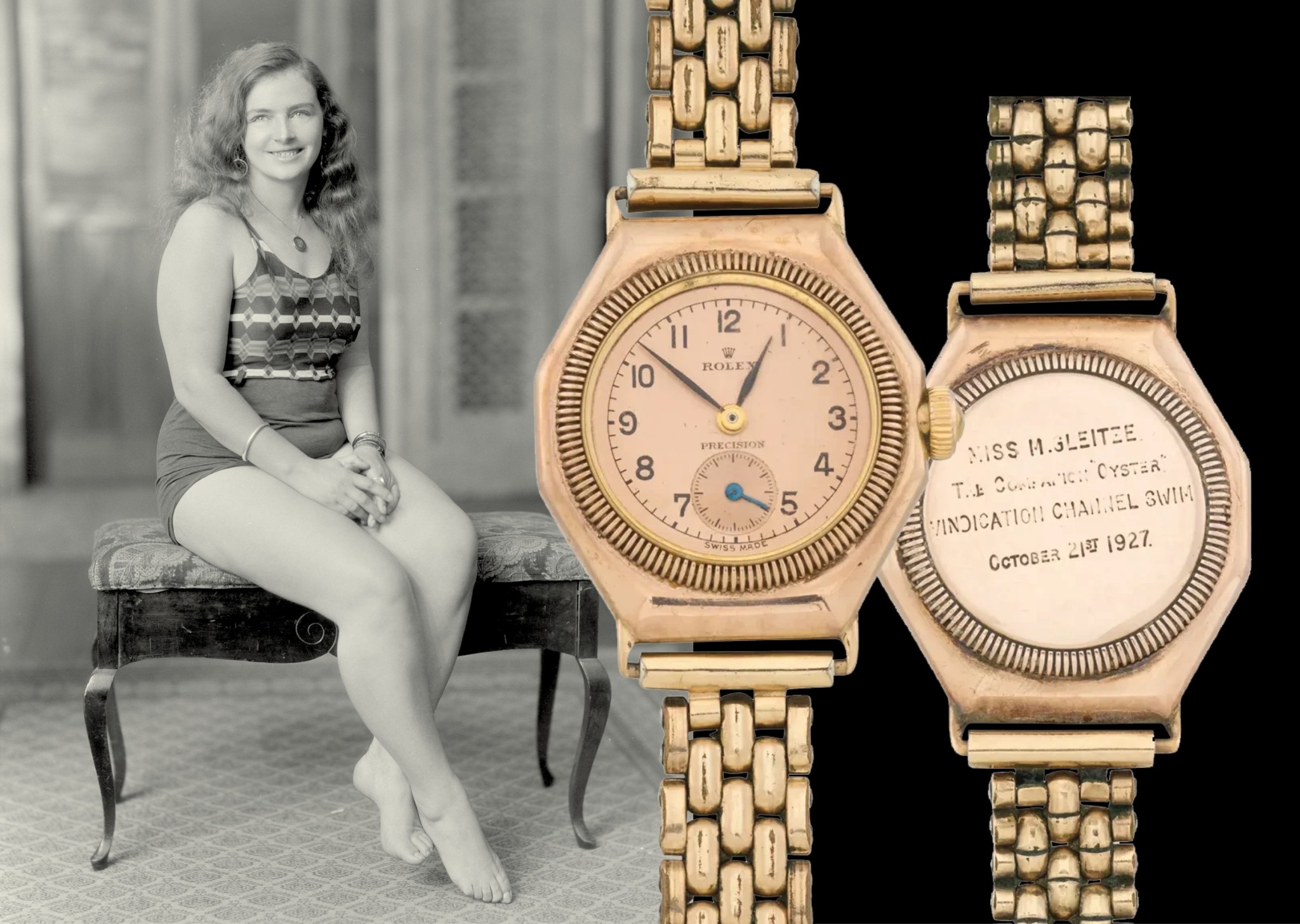
At the beginning of the 20th century, the wristwatch had not yet been established as an object. It was delicate, exposed, with its main weak point being the crown. Dust and moisture could easily penetrate the movement, making it more of a piece of jewellery than a tool. Rolex provided the solution in 1926 with the Oyster case. For the first time, the bezel, cap, and crown were screwed onto the body, creating a fully sealed environment. The name was no coincidence; just as an oyster protects its interior, the case protected the movement. The proof came almost immediately.
The moment the watch became autonomous
The second, equally decisive step came in 1931 with the Perpetual mechanism. This automatic 360-degree movement allowed the watch to be wound by the motion of the wrist. This meant the crown no longer needed to be opened daily. The case remained sealed, and water resistance was preserved.
The combination of these two elements—water resistance and autonomy—created the first truly modern wristwatch: a reliable, durable, and self-sufficient object. From that point on, the Oyster was no longer just a model. It became the foundation upon which the entire Rolex was built.
Almost every iconic watch of the brand—from the Rolex Submariner to the Rolex Daytona and the Rolex GMT-Master II—is based on the same architecture; all are variations of the original system.
A century without nostalgia
One hundred years later, the focus is not only on the Oyster’s past but on how it continues to evolve. In an era where anniversaries are often marked by reproductions and nostalgic callbacks, Rolex chooses a more restrained path.
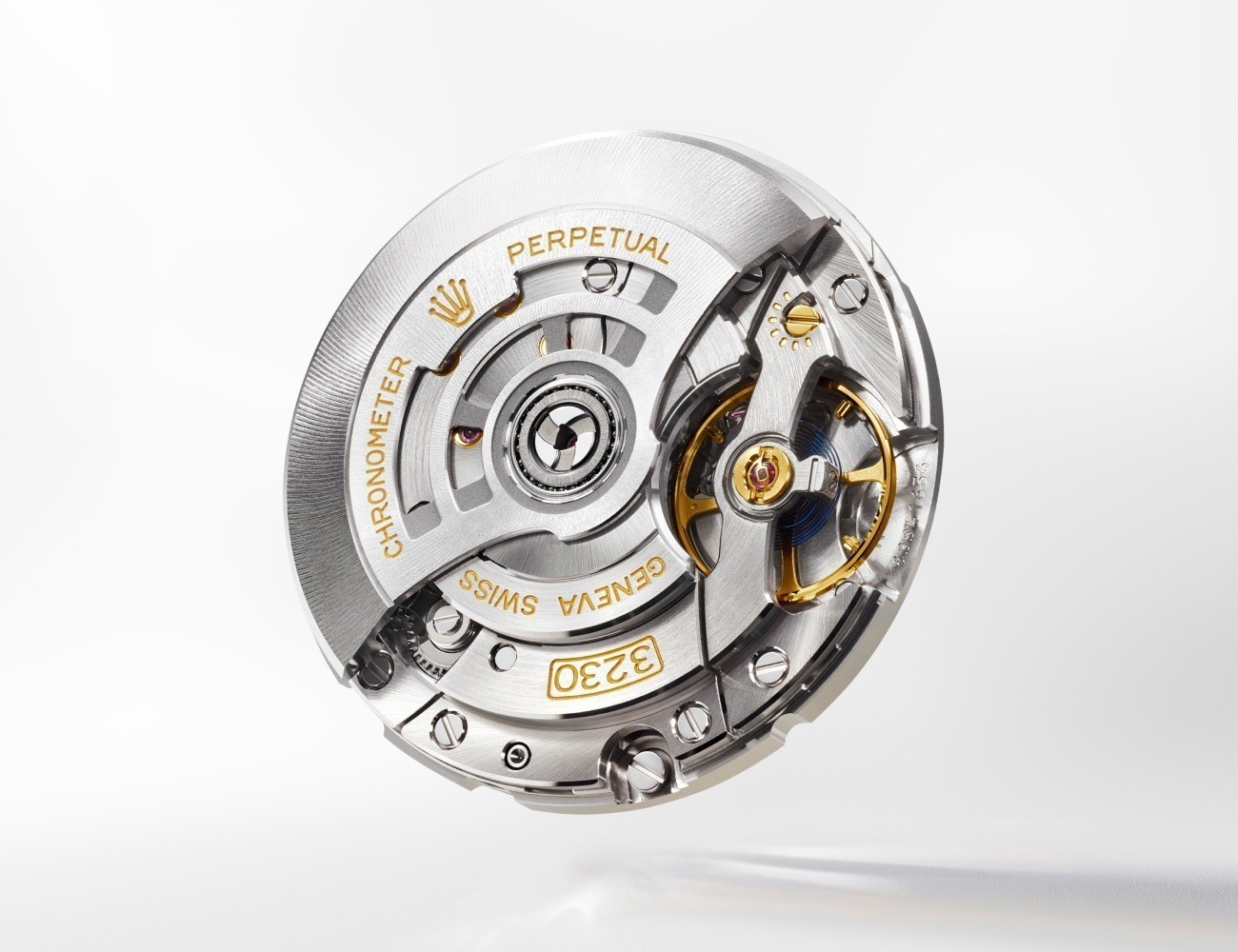
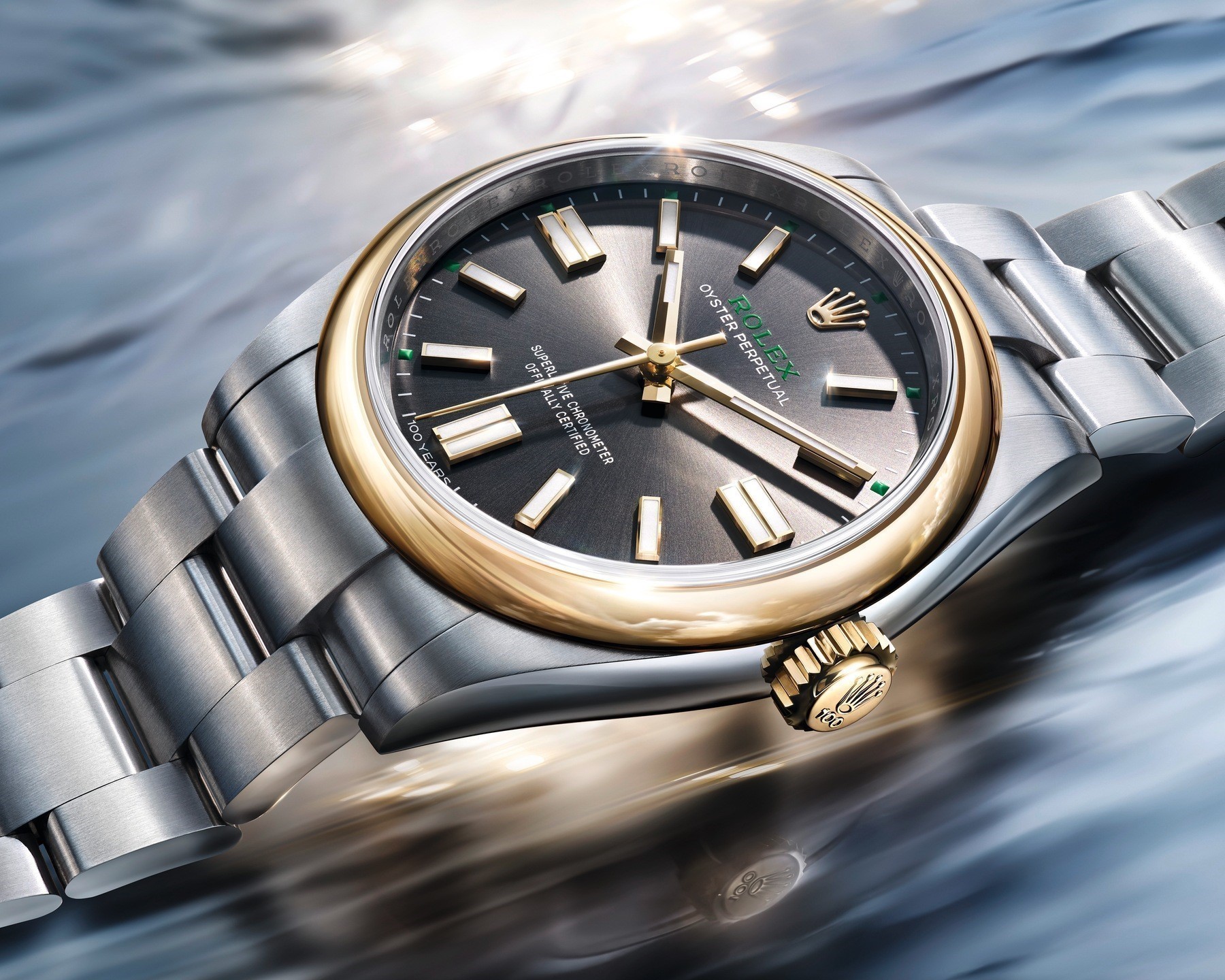
The new Oyster Perpetual 41 in Yellow Rolesor—a combination of steel and yellow gold—features a 41mm case made of Oystersteel and 18k yellow gold, and is equipped with the advanced calibre 3230 automatic movement, offering a 70-hour power reserve. On the dial, the inscription “100 Years” discreetly replaces “Swiss Made,” almost like a detail waiting to be discovered.
This is not an anniversary watch in the traditional sense. It is more of a subtle shift, an exercise in pushing boundaries. And this is perhaps the most characteristic trait of Rolex: it never changes abruptly, but continuously.
The Oyster does not need to prove anything. Its greatest achievement is that its defining qualities—water resistance, reliability, autonomy—have become so self-evident that we almost no longer notice them.
And yet, it all began there: a watch designed not to impress, but simply to function. A century later, it still does exactly that.
Ask me anything
Explore related questions